Select Language:
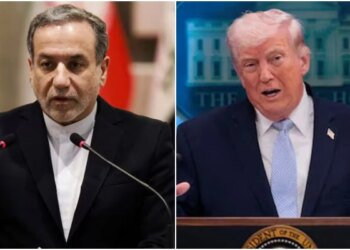
Tehran is pushing for a clear framework before engaging in new negotiations with the U.S.. The deputy foreign minister emphasized that an understanding must be reached first, with no specific date set for the next talks. The last significant US-Iran discussions, which were the highest-level since the 1979 Islamic Revolution, concluded in Islamabad without an agreement. While President Trump suggested there might be more direct discussions over the weekend, some diplomats considered that unlikely due to logistical challenges of gathering in Islamabad.
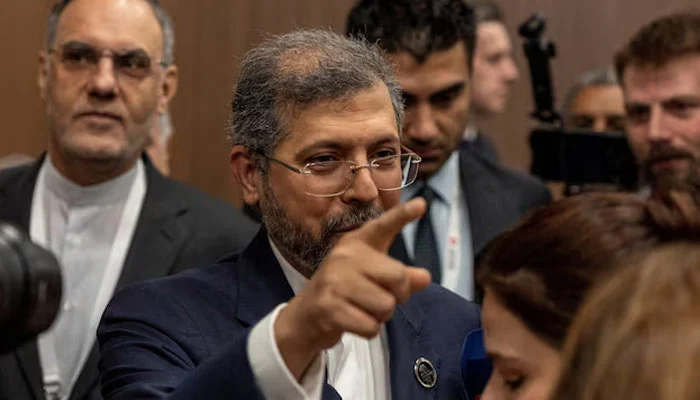
Khatibzadeh told reporters at a diplomacy forum in Antalya, Turkey, that the focus is on finalizing an understanding framework, cautioning against negotiations that would be destined to fail or could escalate tensions. He noted that progress was made, but US maximalist demands—particularly concerning Iran’s nuclear program—prevented a deal. Iran remains firm that it will not accept being treated as an exception under international law, asserting any commitments will adhere strictly to global regulations.
Regarding maritime security, Khatibzadeh mentioned Iran had announced it would permit the safe passage of commercial vessels based on the truce terms after temporarily closing the Strait of Hormuz. He accused the U.S. of attempting to sabotage this by claiming the strait was open except for Iranian ships, warning that any violation of the ceasefire conditions by the U.S. would have consequences.
 ChatGPT
 Perplexity
 Gemini AI
 Grok AI