Select Language:
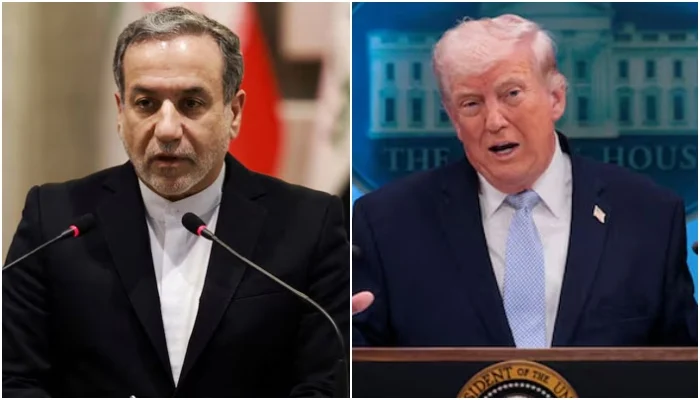
A ceasefire agreement in Lebanon has led Iranian Foreign Minister Abbas Araghchi to declare the Strait of Hormuz open, shortly after the deal was reached. Meanwhile, U.S. President Donald Trump expressed optimism that an agreement to end the Iran conflict is imminent, though the specific timing remains uncertain. Araghchi confirmed on X that the Strait is accessible to all commercial vessels for the duration of the US-facilitated 10-day pause between Israel and Hezbollah, which was agreed upon last Thursday between Israel and Lebanon. He specified that vessels should follow the route outlined by Iran’s Ports and Maritime Organization.
The ongoing US-Israeli confrontations with Iran, which began on February 28, have resulted in thousands of casualties and instability across the Middle East. The conflict effectively shut down the Strait of Hormuz, a crucial corridor through which about 20% of the world’s oil and liquefied natural gas normally passes, warning of a potential catastrophic oil crisis. Following Araghchi’s announcement, oil prices declined approximately 9%, continuing earlier losses. The International Monetary Fund reduced its global growth forecast this week, cautioning that prolonged conflict could plunge the world economy into recession.
Shortly after Araghchi’s statement, Trump posted on Truth Social claiming that Iran had announced the Strait was fully open and ready for passage. However, he emphasized that the US military blockade of ships destined for Iranian ports, enacted after last weekend’s talks in Islamabad failed to produce an agreement, remains in effect. Trump stated the blockade would stay until the US’s negotiations with Iran are entirely complete—something he expects to happen swiftly, as most issues are already negotiated.
Despite Trump’s positive tone, Iranian officials indicated on Friday that some differences still need resolving before a preliminary deal is reached. Senior clerics delivering Friday prayers in Tehran and Isfahan took a firm stance, rejecting negotiations under humiliation and refusing the terms offered by the other side. In Islamabad, military presence was noted, but roads remained open, and business shutdowns, common before previous talks, were not ordered.
A Pakistani source involved in mediating between the US and Iran reported progress in secret diplomacy, suggesting an upcoming meeting might lead to a memorandum of understanding with a comprehensive agreement within about 60 days. Both sides are reportedly agreeing in principle, with technical details to be ironed out later. A major sticking point remains Iran’s nuclear program; the US recently proposed a 20-year suspension of all uranium enrichment efforts, while Iran suggested a shorter halt of three to five years. Iran demands the lifting of international sanctions, and Washington insists on removing highly enriched uranium (HEU) from Iran. Some signs point toward a compromise: Iran might ship part of its HEU stockpile abroad.
Trump claimed Iran had agreed to return “nuclear dust” during a brief interaction outside the White House, but Iran’s state media denied such an agreement, citing ongoing disagreements. No negotiations on transferring HEU appear to have occurred.
The US-backed ceasefire between Israel and Lebanon, aimed at halting hostilities involving Hezbollah, largely held on Friday, despite some reports of violations by Lebanese Army sources. Pakistan underscored that a parallel ceasefire in Lebanon is critical to any Iran deal. Since Hezbollah renewed hostilities with Israel in early March, resulting in an Israeli offensive that reportedly caused over 2,000 deaths, the region remains tense. The Israeli military had no immediate comment on the alleged violations.
 ChatGPT
 Perplexity
 Gemini AI
 Grok AI