Select Language:
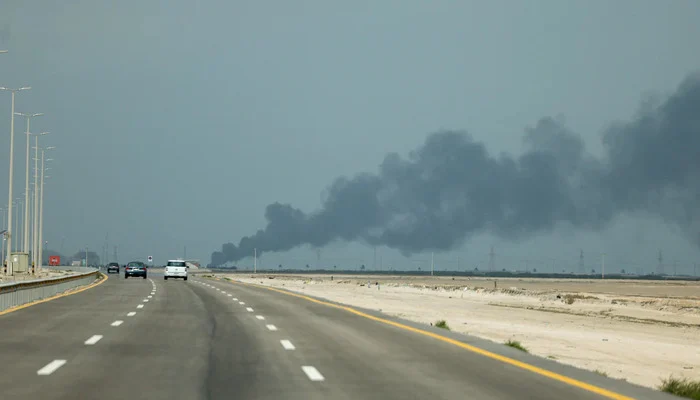
A recent Iranian drone strike at the Ras Tanura oil refinery operated by Saudi Aramco caused significant smoke to billow into the sky, amid tensions involving the U.S. and Israel concerning Iran in Ras Tanura, Saudi Arabia, on March 2, 2026. — Reuters
According to Fatih Birol, the Executive Director of the International Energy Agency, it will take approximately two years to recover the lost energy production in the Middle East resulting from the ongoing conflict. In an interview with the Swiss newspaper Neue Zürcher Zeitung, he explained, “The timeline will differ across nations; Iraq, for example, might face a much longer recovery period than Saudi Arabia. Overall, we forecast it will take around two years to return to pre-war levels.”
Birol also warned that the market is underestimating the impact of a prolonged closure of the Strait of Hormuz. He noted that oil and gas shipments already en route before Iran’s conflict had arrived, somewhat reducing the immediate shortages. However, he emphasized that no new tankers loaded in March, and there have been no fresh deliveries of oil, gas, or fuels to Asian markets, creating an apparent gap. If the Strait remains closed, consumers should brace for substantially higher energy prices.
When asked if the IEA might release additional emergency oil reserves following its March actions, Birol said the agency is prepared to act swiftly and decisively if necessary. “Although we aren’t there yet, it’s definitely being considered,” he added.
 ChatGPT
 Perplexity
 Gemini AI
 Grok AI