Select Language:
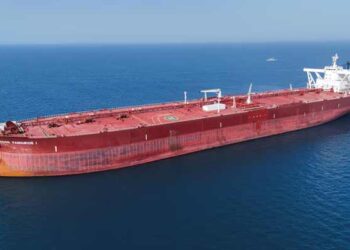
On Friday, representatives from the shipping sector responded cautiously to Iran’s declaration that it has reopened the critical Strait of Hormuz trade route after nearly seven weeks of closure. The Strait’s closure by Iranian forces had stranded hundreds of ships in the Gulf and raised shipping costs, as captains avoided the area due to concerns over potential attacks or mines.
A spokesperson for German shipping giant Hapag-Lloyd, which has vessels stranded in the Gulf, told AFP via phone that the reopening was generally positive news. However, he emphasized that further information was needed regarding safe routes for vessels and the sequence in which they could transit, given lingering fears about sea mines. “It’s not feasible for a thousand ships to all head straight for the strait’s entrance simultaneously; that would create chaos. Iran needs to provide clear instructions,” said Nils Haupt. “We’re prepared to set sail soon if these outstanding questions can be addressed over the weekend.”
Bloomberg data from Thursday revealed approximately 770 ships transmitting transponder signals within the Gulf, with around 360 of those being oil and gas carriers. Prior to the conflict, the average daily crossings of the strait reached about 120 vessels, according to industry source Lloyd’s List.
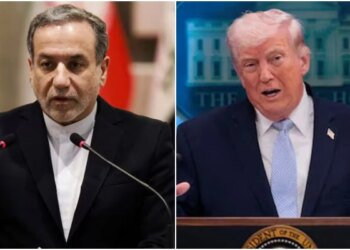
US President Donald Trump subsequently claimed that Iran had declared the waterway fully open and accessible. However, Jakob Larsen, chief security officer at the shipping association Bimco, countered via email, stating this assertion was “inaccurate.” He explained that the mine threat status within Iran’s maritime traffic separation scheme remains unclear and recommended that shipping companies consider avoiding the area altogether.
Kazakos, secretary general of the International Chamber of Shipping, described the Iranian announcement as a “positive step,” but warned that “significant uncertainty” remains about its practical implications. In a statement to AFP, he expressed that while this development might offer some reassurance to the thousands of seafarers stranded in the Gulf due to regional conflict, it must mark the start of a broader and lasting return to navigational freedom. Kazakos underscored the importance of restoring unrestricted navigation through this vital corridor beyond the current ceasefire, urging lasting peace and stability in the region.
 ChatGPT
 Perplexity
 Gemini AI
 Grok AI