Select Language:
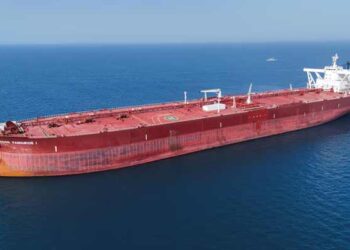
More than a dozen oil tankers, including three that are under sanctions, navigated through the Strait of Hormuz after the 50-day blockade was lifted on Friday, according to shipping data. However, Iran reimposed restrictions on Saturday, warning some vessels and firing at certain ships.
The reopening of the strait is crucial for oil-producing Gulf nations to resume their full supply of oil and gas to global markets, ending what the International Energy Agency has labeled the worst supply disruption in history.
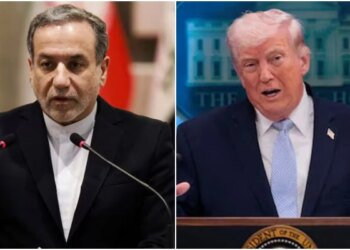
On Friday, U.S. President Donald Trump claimed Iran agreed to reopen the strait, while Iranian authorities stated they wanted the U.S. to fully lift its blockade of Iranian tankers. Western shipping firms responded cautiously to the announcements, emphasizing the need for more clarity, especially regarding potential sea mines, before they allowed their ships to transit through the area.
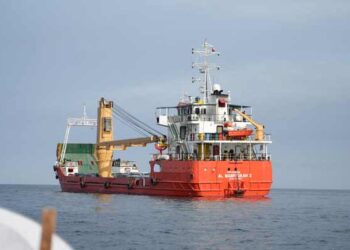
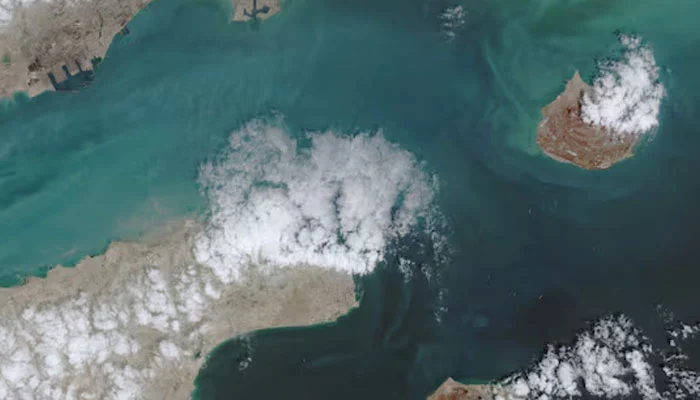
Ships that passed through Iranian waters south of Larak Island on Friday and Saturday consisted mainly of older, non-Western owned vessels, including four that are under sanctions. Iran facilitated passage for a limited number of oil tankers and commercial ships as part of previous negotiations, according to a spokesperson for Iran’s Revolutionary Guards.
Meanwhile, other ships approached the strait but turned back after Iran announced it would maintain strict controls as long as the U.S. continues its blockade of Iranian ports. The UK Navy reported that Iranian gunboats fired warning shots at some ships attempting to cross. Several merchant ships received radio messages from Iran’s navy declaring the strait shut again, barring passage.
On Saturday morning, five liquefied natural gas carriers approaching from Ras Laffan, Qatar, were seen near the strait. Since the start of the U.S.-Israeli conflict with Iran on February 28, no LNG shipments have successfully gone through the waterway. Hundreds of ships have been stranded in the Gulf since the conflict escalated, and Tehran’s closure of the strait has forced regional oil and gas producers to cut back production sharply.
Major producers—including Saudi Arabia, the United Arab Emirates, Iraq, and Kuwait—have underscored the importance of steady tanker movements and unobstructed passage through the strait to restore normal export operations.
 ChatGPT
 Perplexity
 Gemini AI
 Grok AI