Select Language:
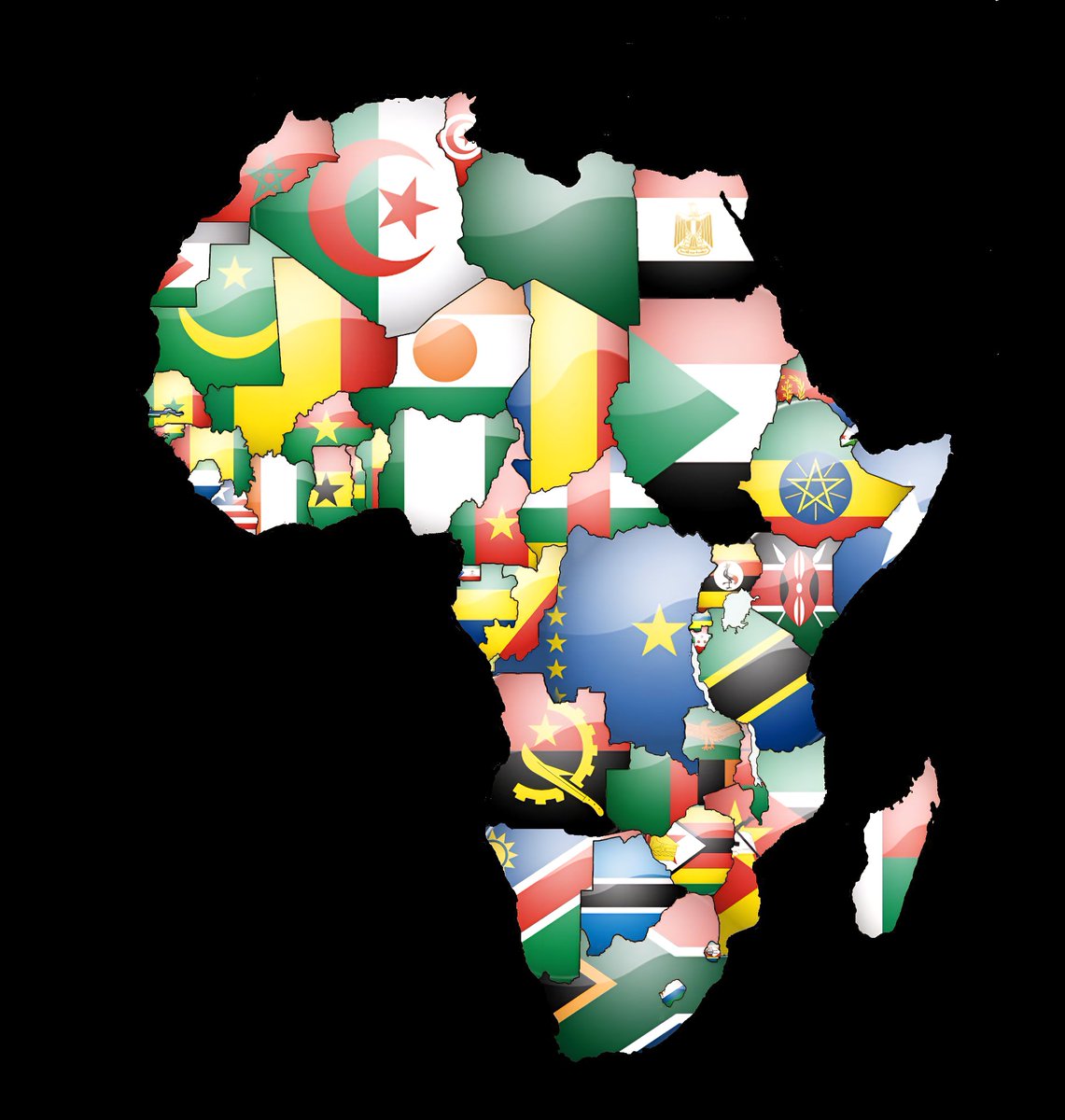
Nigeria Leads Africa’s Population Charts with Over 238 Million People
Nigeria remains Africa’s most populous country, with an estimated population of approximately 238 million as of 2025. This significant number, accounting for roughly 15% of the entire continent’s population, underscores Nigeria’s role as a key demographic and economic hub. The country’s ongoing population growth is fueled by high birth rates, youthful demographics, and rapid urbanization. Experts emphasize that Nigeria’s population dynamics will continue to influence regional stability, labor markets, and developmental policies in the coming years.
Ethiopia and Egypt Close the Population Gap
Ethiopia ranks second, boasting a robust population approaching 136 million, followed closely by Egypt with approximately 119 million residents. Ethiopia’s population growth has remained steady, driven by high fertility rates and improvements in healthcare. Meanwhile, Egypt’s population remains sizable, with Cairo and other urban centers experiencing continued expansion that impacts infrastructure and resource management. Both nations are pivotal players in their respective regions concerning economic development and political influence.
Democratic Republic of the Congo and Tanzania: Africa’s Rapidly Growing Nations
The Democratic Republic of the Congo (114 million) and Tanzania (71.5 million) demonstrate the diverse demographic landscape of Africa. DRC’s population growth is among the fastest continent-wide, largely due to high fertility rates combined with declining mortality rates. Tanzania, benefiting from investments in health and education, continues to see steady growth, positioning it as a vital economic and political country in East Africa.
South Africa and Kenya’s Population Dynamics
South Africa, with around 65 million inhabitants, remains the continent’s most developed country, though its population growth has slowed. Meanwhile, Kenya has approximately 58 million residents, serving as East Africa’s economic powerhouse with a youthful demographic that promises continued growth and innovation. Both countries face challenges related to urban planning, infrastructure, and social services.
Other Notable Countries with Major Populations
Countries like Sudan (51.5 million), Uganda (51 million), Algeria (47.2 million), and Angola (38.5 million) contribute substantially to Africa’s overall population, each with unique demographic trends. Sudan’s population is indicative of ongoing regional conflicts and migration patterns, while Uganda’s youthful population is a mix of opportunities and challenges for social services.
Smaller but Significant Populations
Beyond these giants, countries such as Ghana (35.5 million), Mozambique (36 million), and Madagascar (32.5 million) demonstrate Africa’s demographic diversity. These nations are experiencing varying growth rates, with some confronting issues like urban overcrowding and resource management, while others focus on health and education improvements to sustain growth.
The Demographic Future of Africa
As of mid-2025, Africa’s population stands at roughly 1.55 billion, making it the fastest-growing continent globally. The demographic trajectory suggests that by 2030, Africa could encompass over 1.7 billion people, further emphasizing the importance of sustainable development, infrastructure expansion, and regional cooperation. Governments and organizations across Africa are urged to develop strategies that harness this population growth for economic opportunities while mitigating potential challenges.
Population Distribution Highlights
- Niger and Burkina Faso are among the countries with emerging populations, each with over 25 million residents.
- Zambia and Malawi continue to grow steadily, supporting regional diversification.
- The smallest populations include small island nations like São Tomé & Príncipe with approximately 240,000 residents, and Seychelles with around 130,000.
Final Thoughts
The population figures reveal Africa’s dynamic and youthful demographic landscape. Governments across the continent are tasked with addressing the infrastructure, healthcare, and education needs of their rapidly growing populations. Strategic planning and regional cooperation will be vital to unlocking Africa’s demographic potential and ensuring sustainable development for future generations.
Data source: Worldometer (UN World Population Prospects 2025)
 ChatGPT
 Perplexity
 Gemini AI
 Grok AI