Select Language:
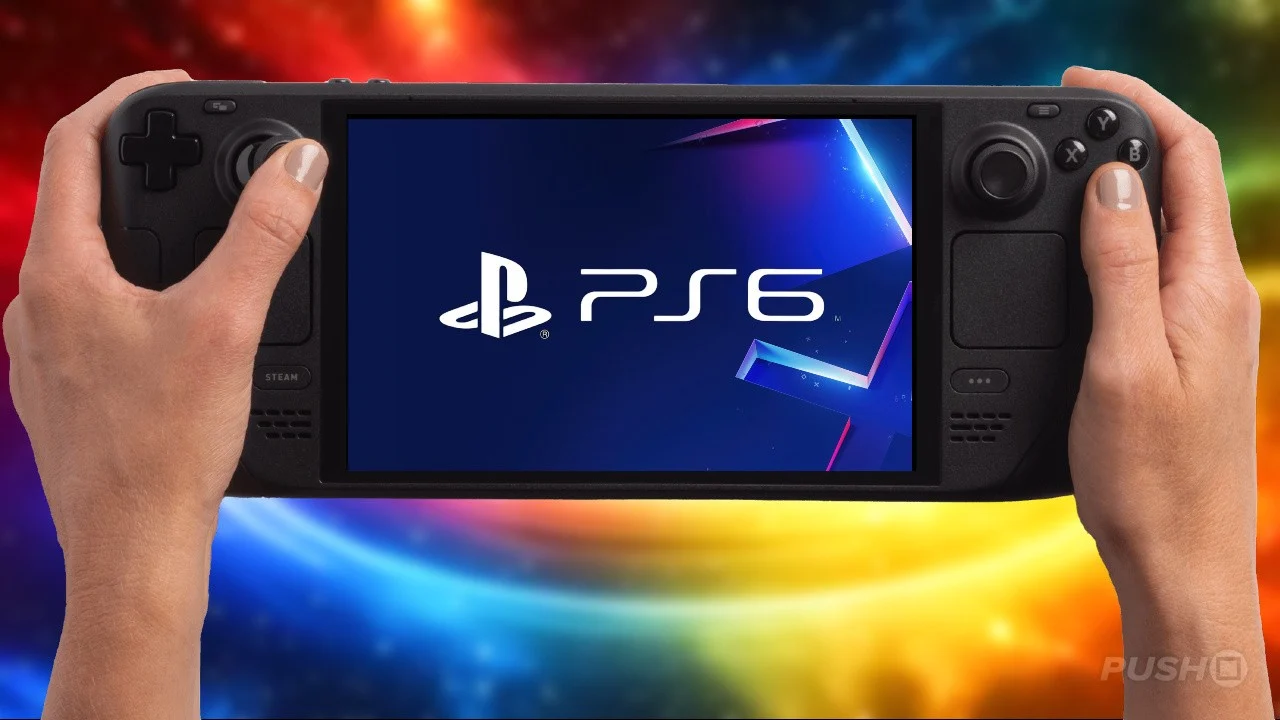
Valve has unexpectedly and significantly raised the prices of its Steam Deck OLED models, pushing the 1TB version beyond the cost of a PS5 Pro.
The price hikes are quite substantial: the 512GB model jumps from $549 to $789, and the 1TB model increases from $649 to $949—a $300 rise.
International pricing now stands as follows:
– Steam Deck 512GB: $789 / £649 / €779
– Steam Deck 1TB: $949 / £779 / €919
It’s unclear how this will impact Valve’s upcoming console-like Steam Machine, which is still anticipated later this year.
These price adjustments have rekindled debates about whether the PS6 will be feasible in 2027, which is when the next-generation hardware is expected to launch.
It’s important to remember that Sony wields much greater purchasing power than Valve, given their consoles sell in the tens of millions. This scale gives Sony an advantage that Valve can’t match, especially considering that, as of 2025, about six million units of its handheld had been shipped. Sony’s economy of scale ensures it stays ahead in pricing power.
A tweet highlights the disparity:
“Never ask for a PS6 in 2027 with these prices:
– Steam Deck OLED 512GB: $549 → $789
– Steam Deck OLED 1TB: $649 → $949
– PS5 Base: $499.99 → $649.99
– PS5 Pro: $699.99 → $899.99
– Xbox Series X: $499.99 → $649.99
– Switch 2: $449.99 → $499.99”
Overall, the current economic climate is grim for consumer electronics.
It’s not merely greed across companies like Sony, Microsoft, Nintendo, and Valve. Global economic challenges—including inflation, war, and tariffs—are impacting all industry players. Few companies want to push prices higher, but with soaring costs and tight profit margins, absorbing these increases isn’t feasible.
There’s concern that delaying the PS6 won’t necessarily improve affordability, especially if Sony plans to release it next holiday season, perhaps hoping prices will drop afterward.
The ongoing chip shortages and rising component costs suggest the PS6 might not be affordable even upon release, or at best, will be priced well over $1,000, which many believe would deter casual gamers.
The surge in memory and component prices, driven by AI development and demand, has led to this spike—highlighting how external factors are inflating hardware costs dramatically.
Sony may have designed the PS6 with cost-cutting in mind, but current economic conditions likely hinder those plans.
The outlook remains uncertain. While demand for video games persists, the affordability of gaming hardware is diminishing rapidly for many consumers.
In the context of inflation and economic pressure, many are questioning the rationality of paying such high prices for outdated, underperforming hardware that offers limited versatility, especially when cheaper alternatives—like high-end phones or emulators—offer comparable performance at a fraction of the cost.
The market is also seeing a wave of prices that seem unsustainable, with some predicting that future gaming consoles might require payment plans or subscription models reaching $30-50 per month.
Some comments express frustration over the sheer cost, with many feeling priced out of gaming as an accessible hobby. Others speculate that with ongoing price hikes, the popularity of consoles like the PS6 may decline sharply, especially if unit sales drop significantly.
Concerns about the possibility of the PS6 costing well over $1,000 are widespread, with skeptics believing that Sony will not subsidize hardware anymore and will use the chip shortage as a justification to inflate prices even further.
Others mention that the current trend suggests a prolonged support cycle for existing consoles, reducing the urgency to buy a new one immediately.
Some note that the rising prices are largely driven by external market forces—tariffs, inflation, and AI proliferation—and that these factors are unlikely to stabilize soon.
There’s also commentary on alternative gaming options, like using smartphones or emulators, which can provide high performance without the steep cost of dedicated handhelds.
In sum, the industry is facing a challenging era where technological demands and market forces combine to push prices into territory that could significantly restrict access to gaming hardware for many people, potentially reshaping the future of gaming markets and consumer behavior.
 ChatGPT
 Perplexity
 Gemini AI
 Grok AI