Select Language:
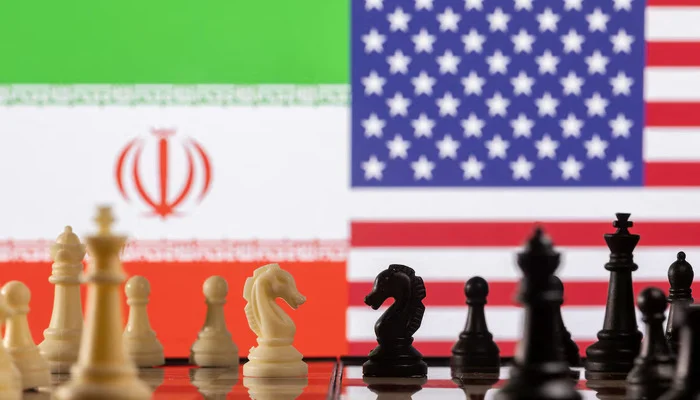
Senior analyst and journalist Hamid Mir has disclosed that the U.S. and Iranian delegations have agreed to continue their discussions after their recent meeting, with the exact timing and venue still to be determined. During a conversation with Shehzad Iqbal on the Geo News program “Naya Pakistan” Sunday evening, Mir stated, “We can’t label these talks as unsuccessful because such negotiations often don’t reach a definitive outcome in just one or two sessions.”
He explained, citing sources from both sides, that “The American and Iranian teams had an extended discussion and concluded that they could find common ground on some issues, while for others they would need to consult their leaders.” Although the specific matters discussed were not revealed, Mir mentioned, “Part of what was agreed upon remains confidential, but we’ve been able to infer some of those points.”
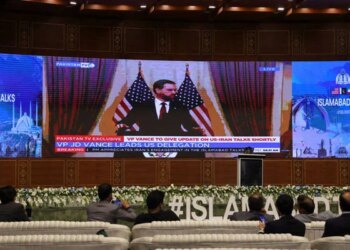
Mir added that after speaking with Iranian Speaker Mohammad-Bagher Ghalibaf, U.S. Vice President JD Vance indicated a cautious stance, mentioning that he would speak with President Donald Trump. “There won’t be any announcements to the media or media circus—just another meeting might happen,” Mir quoted Vance as saying.
He further noted that the Iranian delegation stayed in Pakistan for some time, while the American team left early the next morning. The Iranian representatives met with Pakistani hosts and expressed their gratitude.
According to Mir, even though the Islamabad talks didn’t produce conclusive results, both sides agreed to meet again at a later date, with the details to be decided. Regarding the ceasefire, he mentioned efforts are underway to uphold the current two-week arrangement and that indirect contacts are likely to extend it further.
He identified Turkey and China as key players in the process and expressed confidence that the ceasefire would hold. Addressing President Trump’s recent Sunday Truth Social post, Mir said that, although the U.S. president highlighted Iran’s uranium activities, this issue had already been thoroughly discussed, and a consensus might be possible after leadership consultations. He emphasized that this was not a significant obstacle.
The core issue, according to Mir, is Lebanon’s ceasefire, which Iran insists they will not compromise on. “A lot of the 21-hour negotiations were dedicated to this topic,” he revealed. Vance appeared to show some flexibility, suggesting discussions with Trump and potential talks involving Israel and Lebanon in the U.S.
Mir dismissed Trump’s comments about the Strait of Hormuz as mere posture aimed at domestic audiences, suggesting it was best to ignore such statements. “Trump is fully aware of what transpired during the negotiations,” Mir stated.
He believes Iran and the U.S. can find common ground on uranium and the Strait, and noted that Vance had also communicated positively with Iran about sanctions relief. However, the main sticking point remains Lebanon, with Iran maintaining a firm stance. “Iran wants to assure Hezbollah and Hamas that they haven’t abandoned them while seeking a deal with the U.S.,” Mir concluded, emphasizing that Iran will not back down on this issue.
 ChatGPT
 Perplexity
 Gemini AI
 Grok AI