Select Language:
Top 25 Cities with the Lowest Quality of Life in 2026
1. Lagos, Nigeria
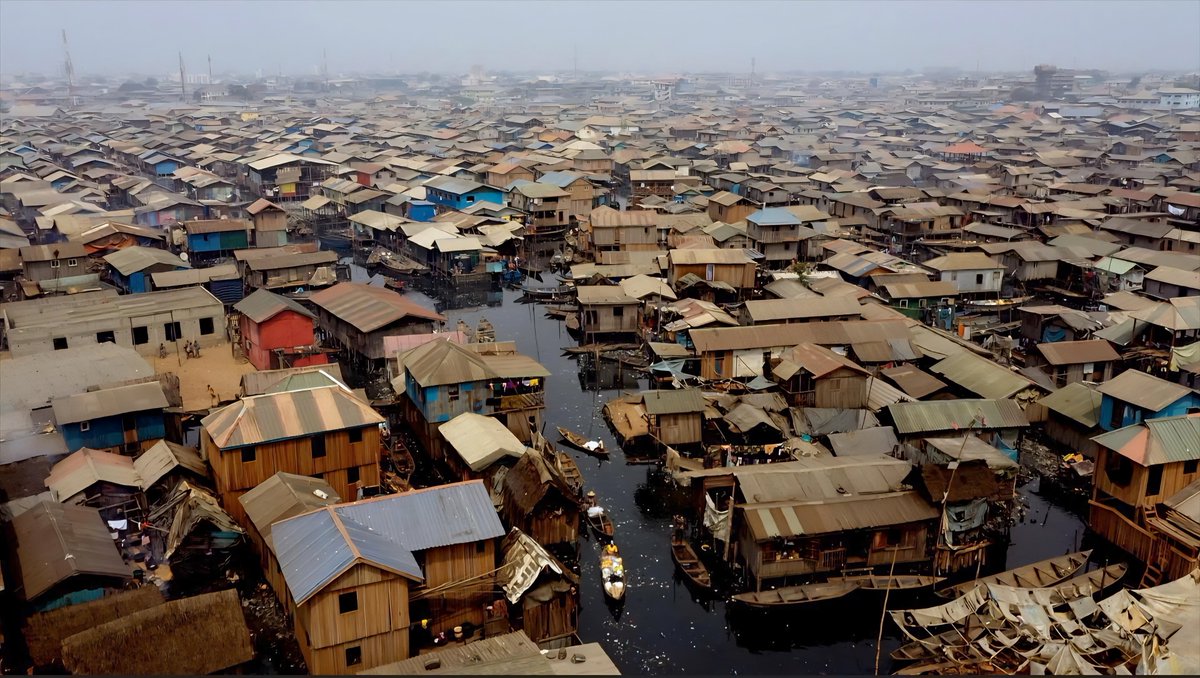
Lagos continues to top the list with its chaotic traffic, inadequate infrastructure, and safety concerns. Despite its vibrant culture and economic potential, residents often face power outages, poor healthcare quality, and a high cost of living that impacts overall well-being. The city’s rapid growth has overwhelmed public services, making daily life challenging for many residents.
2. Manila, Philippines
Manila struggles with traffic congestion, pollution, and inconsistent healthcare services. The city’s infrastructure is under significant pressure, leading to crowded streets and limited access to quality education. While the Philippines boasts economic growth, income inequality and urban crowding reduce the overall quality of life for many in Manila.
3. Colombo, Sri Lanka
Despite its scenic beauty, Colombo faces economic instability, frequent power outages, and limited healthcare resources. Infrastructure development has not kept pace with population growth, resulting in traffic issues and inadequate sanitation, which diminishes daily living standards.
4. Dhaka, Bangladesh
Dhaka is one of the most densely populated cities worldwide, with severe traffic jams, air pollution, and water quality problems. Healthcare facilities are often overwhelmed, and reliable electricity remains elusive for many residents, leading to a lowered quality of life.
5. Tehran, Iran
Economic sanctions, political unrest, and infrastructural challenges mark Tehran’s landscape. Residents deal with air pollution, water shortages, and limited recreational spaces, which negatively impact their daily lives and well-being.
6. Cebu, Philippines
While Cebu offers beautiful beaches and a burgeoning tourism industry, its urban center faces issues like traffic congestion, inconsistent healthcare quality, and rising living costs. Infrastructure struggles contribute to a less than favorable quality of life.
7. Kathmandu, Nepal
Kathmandu faces challenges with pollution, frequent natural disasters, and limited healthcare infrastructure. Rapid urbanization has strained public services, making it difficult for residents to enjoy a high quality of life.
8. Jakarta, Indonesia
Jakarta contends with severe traffic, flooding, and pollution. Overpopulation and inadequate infrastructure make it difficult for residents to maintain access to quality healthcare and education, impacting overall well-being.
9. Ho Chi Minh City, Vietnam
Despite its economic prospects, Ho Chi Minh struggles with air quality, traffic, and sanitation issues. Noise pollution and limited green spaces also contribute to residents’ stress levels, reducing overall quality of life.
10. Cairo, Egypt
Cairo faces air pollution, traffic congestion, and water scarcity. Overpopulation and political instability have hampered infrastructural development, resulting in poor health outcomes and limited recreational options for residents.
11. Caracas, Venezuela
Economic collapse and political crisis have severely impacted Caracas. Shortages of basic necessities, healthcare, and security issues leave residents feeling unsafe and hinder their quality of life.
12. Karachi, Pakistan
Karachi’s challenges include power outages, crime, and dense population. Access to quality healthcare and education remains limited for many, lowering life satisfaction amid socioeconomic instability.
13. Rio de Janeiro, Brazil
While iconic for its natural beauty, Rio suffers from crime, pollution, and economic disparity. These issues hinder residents’ access to quality healthcare and education, impacting daily well-being.
14. Mumbai, India
Mumbai’s high population density results in overcrowded public transportation, pollution, and inadequate sanitation in some districts. Socioeconomic disparities make quality of life uneven across different neighborhoods.
15. Beirut, Lebanon
Lebanon’s economic crisis has severely affected Beirut, causing power shortages, inflation, and unemployment. The city’s infrastructure is strained, and residents face frequent protests and instability.
16. Alexandria, Egypt
Compared to Cairo, Alexandria faces similar issues with healthcare access, pollution, and infrastructural deficiencies amid economic challenges, affecting residents’ everyday life quality.
17. Lima, Peru
Lima deals with air pollution, traffic congestion, and water quality issues. Socioeconomic inequalities and limited access to quality healthcare decrease overall well-being.
18. Santo Domingo, Dominican Republic
Urban crowding, economic challenges, and health infrastructure deficits impact residents’ quality of life. Safety concerns and inconsistent public services are ongoing issues.
19. Delhi, India
Delhi faces significant air pollution, extreme weather, and infrastructure overload. The city’s population continues to grow rapidly, straining healthcare, sanitation, and public transport systems.
20. Hanoi, Vietnam
Hanoi struggles with pollution, traffic congestion, and limited green spaces. Economic disparities mean not everyone benefits equally from growth, affecting the overall living experience.
21. Recife, Brazil
Recife’s challenges include crime, water management issues, and limited healthcare access in some districts. Economic inequality hampers residents’ ability to enjoy a higher quality of life.
22. Mexico City, Mexico
Mexico City faces pollution, traffic, and infrastructural issues. Despite cultural richness, many residents experience stress and health problems related to urban strain.
23. Bangkok, Thailand
Bangkok grapples with chronic traffic jams, pollution, and flooding. Overpopulation affects public services, which impacts residents’ health, safety, and overall well-being.
24. Casablanca, Morocco
Casablanca experiences urban congestion, limited healthcare funding, and infrastructure gaps. Economic disparities create uneven quality of life across neighborhoods.
25. Nairobi, Kenya
Nairobi faces infrastructure deficiencies, poverty, and safety concerns. Urban growth outpaces public services, leaving many residents vulnerable to health and security issues.
Note: The Quality of Life Index reflects a comprehensive assessment based on safety, healthcare, cost of living, climate, infrastructure, and overall well-being. In 2025, these cities face significant challenges that impact daily life and community sustainability.
Source: Numbeo Quality of Life Index 2026
 ChatGPT
 Perplexity
 Gemini AI
 Grok AI