Select Language:
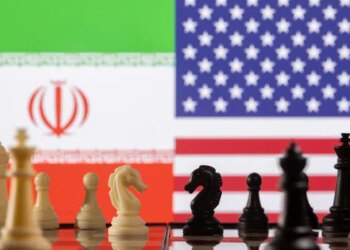
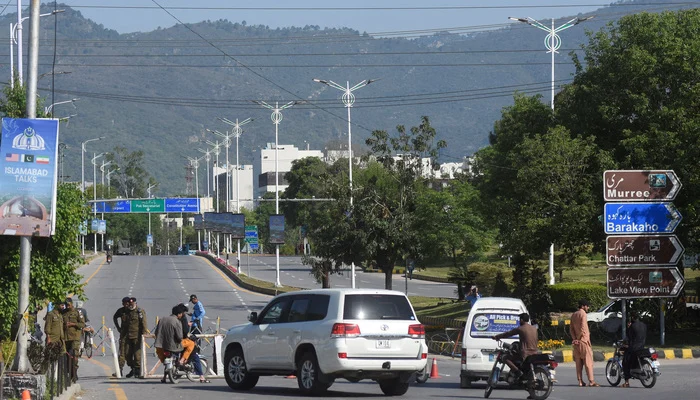
Pakistan is continuing to facilitate mediation efforts as the US and Iran explore options for resuming direct negotiations. A second round of talks is being proposed to take place in Islamabad in the next few days, ahead of the ceasefire’s expiration on April 21, according to the Associated Press, citing two Pakistani officials. The officials, who spoke on condition of anonymity, indicated that the final venue for the meeting could change depending on the preferences of the involved parties. They emphasized that the earlier negotiations held in Islamabad are part of an ongoing diplomatic process, not just a one-time event.
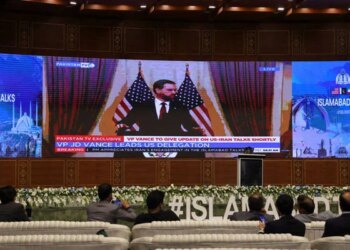
The first round of US-Iran discussions, hosted by Pakistan in Islamabad, brought together senior representatives from both sides for in-depth, closed-door talks aimed at de-escalating ongoing hostilities. The trilateral “Islamabad Talks” lasted nearly 21 hours after they began on the afternoon of April 11, illustrating the complexity and importance of the issues at stake.
Although no formal agreement was reached at the initial meeting, US Vice President JD Vance, who led the American delegation, stated that the negotiations had not resulted in a deal. Nonetheless, both parties used the platform to clearly outline their positions. Pakistani officials viewed the talks as a vital step toward establishing direct communication channels between Washington and Tehran.
Since that meeting, sources report ongoing behind-the-scenes discussions, with potential for a follow-up session as soon as Thursday. Islamabad again is being considered as the meeting site, though Geneva remains an alternate option. Pakistan continues to act as an intermediary, relaying messages between Tehran and Washington. A US official mentioned there has been progress and engagement, with Islamabad playing a crucial mediating role, while Vance noted on television that significant advancements have been made, and the next move is up to Iran.
The talks marked a rare instance of direct engagement, facilitated by Pakistan’s close coordination with both nations to bring them to the table. The focus has been on narrowing differences regarding ceasefire terms, regional security, and broader political issues.
The conflict, which erupted on February 28 following coordinated US-Israeli strikes on Iranian targets, has resulted in over 2,000 deaths and regional instability. Iran has responded with retaliatory measures, including impeding shipping through the Strait of Hormuz and targeting US and Israeli interests.
A ceasefire brokered by Pakistan on April 8 has temporarily paused hostilities, but significant disagreements remain. The US has outlined a 15-point framework addressing nuclear and missile concerns, sanctions relief, and maritime security. Conversely, Iran has proposed a 10-point plan that seeks broader sanctions removal and greater control over key waterways.
The international community largely supports Pakistan’s role in hosting the “Islamabad Talks” and fostering dialogue, recognizing its diplomatic efforts as essential to maintaining momentum toward possible resolution.
 ChatGPT
 Perplexity
 Gemini AI
 Grok AI