Select Language:
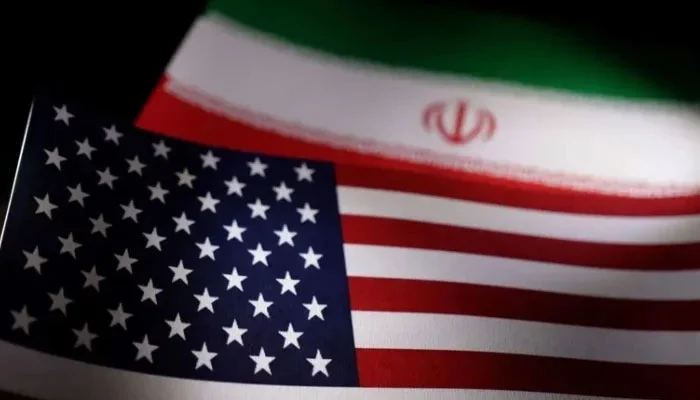
The United States and Iran are anticipated to announce the completion of a draft peace agreement aimed at ending conflict on all fronts within the next 24 hours, according to sources cited by the Washington Times. Key negotiators from both nations, including Iranian Parliament Speaker Bagher Ghalibaf, U.S. Vice President JD Vance, special envoy Steve Witkoff, and Jared Kushner, President Trump’s son-in-law, have reportedly endorsed the draft.
The news follows President Trump’s indication that he would consult with advisers on Iran’s latest draft agreement and potentially reach a decision by Sunday, as reported by Axios. The draft peace proposal has been forwarded to leaders of both countries for their final approval.
If the agreement is finalized, it could transform the current fragile six-week ceasefire into a lasting peace. However, details of the proposed deal remain unclear, especially regarding major issues like Iran’s nuclear program and its demands for sanctions relief.
Notably, Pakistan’s military and civilian leadership, including Chief of Defense Forces and Army Chief Field Marshal Asim Munir, played a crucial role in mediating between the U.S. and Iran. Munir’s efforts involved multiple high-level meetings to facilitate the drafting and submission of the agreement to both sides’ leaderships. Meanwhile, a delegation from Qatar has also arrived in Tehran as part of the diplomatic efforts to secure a final deal.
In Washington, signs of progress are evident, with Vice President Vance unexpectedly returning from Ohio, and President Trump preparing for a conference call with Middle Eastern leaders after gathering his national security team at the White House. Iran’s Foreign Ministry has confirmed that Tehran is focused on finalizing a memorandum of understanding with the U.S. at this stage.
Additionally, the Financial Times reported, citing sources familiar with the negotiations, that mediators are close to extending a ceasefire between the U.S. and Iran by 60 days and establishing a framework for discussions on Iran’s nuclear activities. The proposed deal might include reopening the Strait of Hormuz gradually, negotiations on reducing or transferring Iran’s enriched uranium stockpile, and steps by Washington to ease restrictions on Iranian ports and sanctions.
 ChatGPT
 Perplexity
 Gemini AI
 Grok AI