Select Language:
The Battle of Brew: Coffee vs. Tea Across the Globe
1. The Cultural Significance of Coffee and Tea in Different Regions
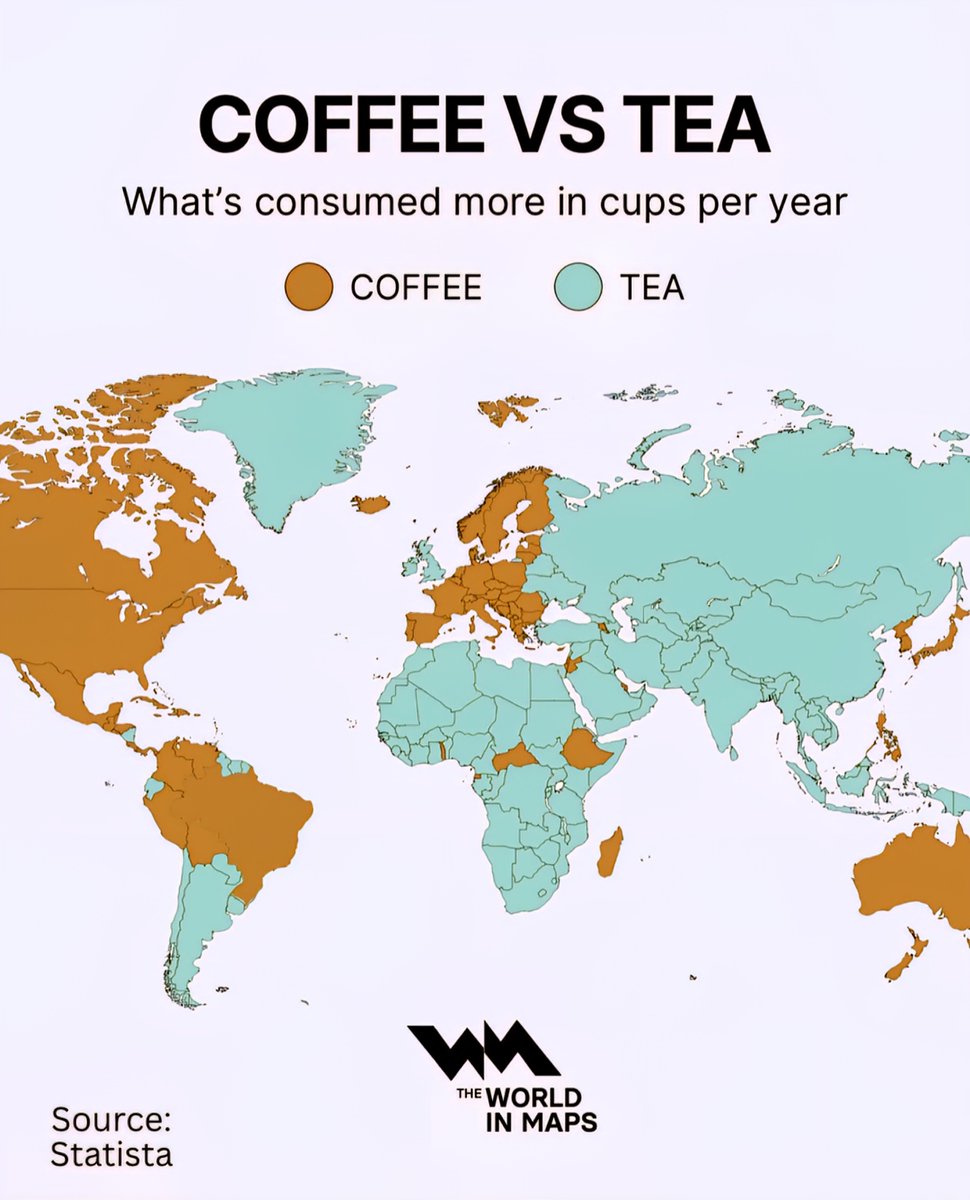
Across the world, coffee and tea hold a special place in local traditions and daily routines. In North America and parts of Europe, coffee culture has surged, with espresso bars and caffeine-fueled mornings becoming the norm. Meanwhile, Asian countries like China and Japan reverently honor tea ceremonies, emphasizing mindfulness and tradition. In Middle Eastern countries such as Turkey, coffee is intertwined with social gatherings and hospitality, symbolizing friendship and community. Understanding these cultural nuances helps explain why some regions champion one beverage over the other, shaping local customs and social interactions.
2. Brewing Techniques: From Pour-Over to Traditional Steeps
The methods of preparing coffee and tea vary widely, reflecting technological advances and cultural preferences. In the United States, pour-over coffee systems and single-serve machines dominate households, offering quick, customized brews. Expanding on this, specialty cafes emphasize artisanal methods, highlighting local beans and precise techniques. Conversely, traditional tea preparation in countries like India involves steeping leaves in boiling water, often over a flame, encouraging patience and ritual. Innovations like cold brew have gained popularity globally, showcasing evolving tastes and brewing styles that bridge diverse cultures.
3. Health Benefits and Controversies
Both beverages boast a range of health advantages, yet recent studies have stirred debates on their long-term effects. Coffee is praised for its antioxidants, potential to boost metabolism, and mental alertness. However, excess consumption has been linked to increased heart rate and sleep disturbances. Tea, rich in catechins and polyphenols, is associated with reduced risks of cardiovascular diseases and improved digestion. Green and black teas are particularly valued for their health properties. Nevertheless, concerns over pesticide residues and the impact of brewing methods continue to fuel discussions about safe consumption levels and optimal choices for consumers.
4. Environmental Impact and Sustainability Issues
The production of coffee and tea significantly influences environmental landscapes. Coffee cultivation has been criticized for deforestation, water usage, and the carbon footprint associated with transportation. Fair trade initiatives aim to mitigate these issues, promoting sustainable farming practices. Meanwhile, tea plantations also face challenges related to water management and labor rights. Climate change poses threats to both crops, with rising temperatures affecting yields and quality. Consumers increasingly seek ethically sourced, eco-friendly options, urging producers to adopt more sustainable practices to protect ecosystems and support local farmers.
5. The Global Coffee and Tea Markets in 2025
The international beverage industry continues to evolve rapidly. In 2025, coffee sales are projected to surpass 200 billion dollars globally, driven by the rise of specialty and single-origin beans. Innovations like plant-based milk pairings and personalized brewing technology are transforming consumer experiences. Tea consumption remains steady, with green, black, and herbal teas seeing a renaissance driven by health-conscious buyers. Emerging markets in Africa and Southeast Asia show impressive growth, with local brands gaining international recognition. The increasing demand for premium, organic, and ethically sourced products underscores a shift toward more conscious consumption patterns worldwide.
6. Coffee or Tea: Which Wins in the End?
While personal preferences vary greatly, data suggests a growing convergence in global tastes. Millennials and Generation Z are embracing both beverages, often enjoying coffee in the morning and tea in the afternoon or evening. Coffee’s energizing qualities make it the top pick for busy urban lifestyles, whereas tea’s calming properties appeal to those seeking relaxation. Ultimately, the choice between coffee and tea comes down to individual taste, cultural influences, and health considerations. The beverage industry’s future will likely see a blending of traditions, with innovations enhancing both cups to satisfy diverse palates.
In the end, whether it’s a steaming mug of coffee or a calming cup of tea, both beverages continue to connect cultures, fuel creativity, and provide comfort around the world. As the industry shifts toward sustainability and innovation, one thing remains clear: the love for these cherished drinks shows no signs of waning in 2025.
 ChatGPT
 Perplexity
 Gemini AI
 Grok AI