Select Language:
Top 20 Most Powerful Air Forces in 2025: A Global Overview
- United States Leads with Unparalleled Air Command
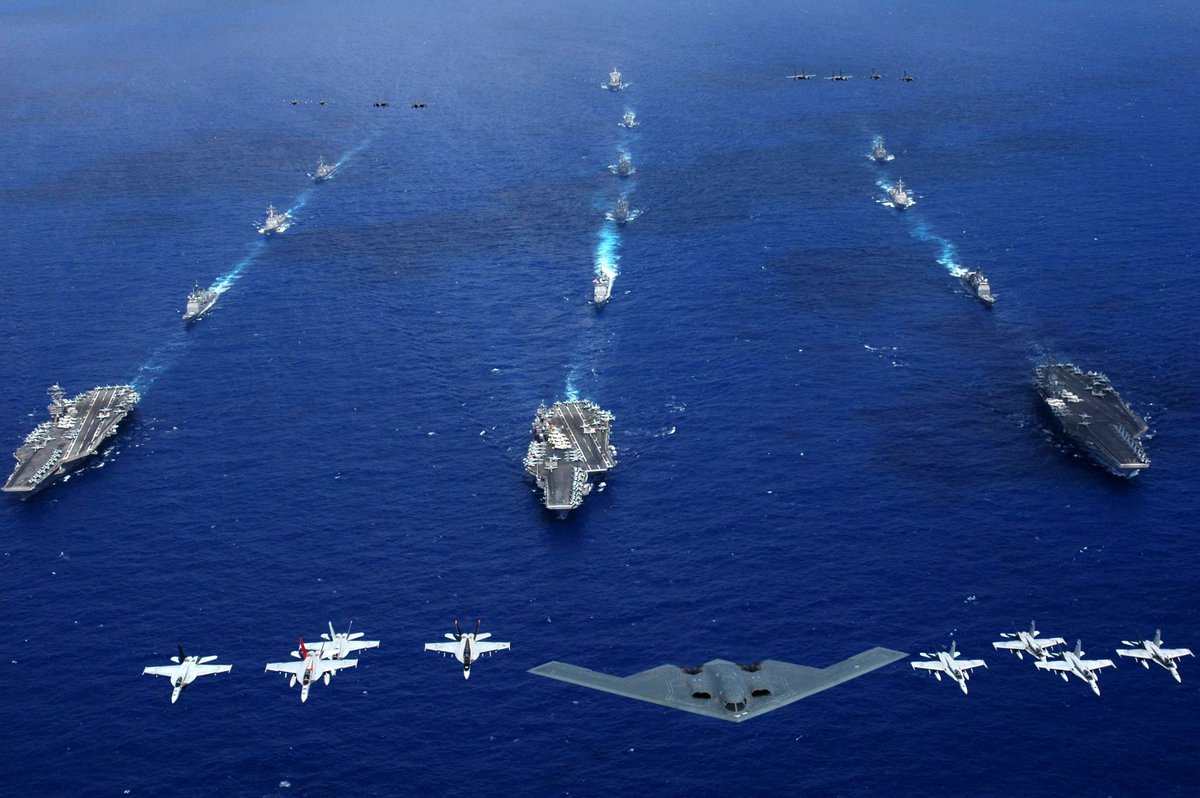
The U.S. remains at the forefront of aerial dominance, boasting the largest fleet of advanced fighters, stealth aircraft, and strategic bombers. Their air force’s technological edge, combined with extensive global reach, solidifies their top position as the world’s most powerful aerial force.
- U.S. Navy’s Aerial Strength Anchors Naval Superiority
Second on the list is the U.S. Navy, whose carrier-based aircraft and maritime patrol capabilities provide unmatched power projection over oceans. Their fleet of aircraft carriers, equipped with cutting-edge aircraft like the F/A-18 Super Hornet and upcoming F-35 variants, ensures dominance across the world’s seas.
- Russia’s Russian Air Force Maintains a Robust Strategic Edge
Russia continues to upgrade its military aviation technologies, with a fleet composed of fifth-generation fighters like the Su-57 and a significant number of upgraded Sukhoi jets. Their strategic bombers and defensive missile systems further strengthen their air power in Europe and beyond.
- Joint U.S. Army and Marine Aviation Operations
The United States Army and Marine Corps maintain formidable aviation assets, including attack helicopters, tiltrotors like the V-22 Osprey, and close air support aircraft, ensuring rapid deployment and battlefield versatility across multiple theaters.
- India’s Growing Power in the Sky
India’s Air Force has expanded with new domestically-produced fighter jets such as the Tejas, alongside acquisitions of the Rafale and stealth technology. Their increasing modernization efforts boost their regional influence, especially in combating threats across South Asia.
- China Continues Rapid Expansion of Its Air Fleet
The Chinese Air Force (PLAAF) has made significant strides with new fifth-generation fighters like the J-20. Investments in stealth, drone warfare, and aircraft carriers with aviation wings highlight their ambition for regional supremacy and global reach.
- Japan’s Air Defense Capabilities Strengthen
Japan maintains a modern fleet of fighters like the F-35, and its air defense systems are tailored for regional security challenges, particularly in North-East Asia, emphasizing quick response and technological innovation.
- Israel’s Elite Air Force Combines Precision and Innovation
Known for its high combat readiness, Israel’s Air Force operates advanced aircraft including the F-35I Adir. Its strategic location and technological edge make it a key regional power with a focus on precision strikes and intelligence gathering.
- France’s Advanced European Air Power
France’s air force operates state-of-the-art Rafales and Mirage fighters, complemented by nuclear-capable aircraft. Their ability to operate across multiple continents underscores their role as a leading European military power.
- United Kingdom’s Royal Air Force Remains Resilient
The RAF continues modernization efforts with new fighters such as the Eurofighter Typhoon and F-35B. Their strategic alliances and nuclear capabilities reinforce their standing on the global stage.
- South Korea’s Defensive Air Infrastructure
South Korea has upgraded its fleet with modern fighters to deter incursions from neighboring North Korea. Their air force’s focus on rapid deployment and surveillance enhances regional security.
- Italy’s Air Power Contributes to NATO
Italy’s Air Force maintains a fleet comprising Eurofighters and newer surveillance aircraft, supporting NATO missions and regional stabilization efforts in Europe and Africa.
- Australia’s Pacific-Focused Air Assets
Australia invests heavily in advanced aircraft like the F-35A and patrol aircraft to safeguard its vast Pacific territories, projecting power further into the Indo-Pacific region.
- Brazil’s Expanding Latin American Presence
Brazil modernizes its air fleet with new fighter acquisitions and upgraded aircraft, aiming to strengthen domestic defense and regional influence in South America.
- Saudi Arabia’s Strategic Middle Eastern Military Power
Saudi Arabia’s Air Force, heavily armed with American and European aircraft, plays a vital role in regional security, high-profile aerial combat missions, and strategic deterrence.
- Pakistan’s Developing Air Capabilities
Pakistan continues to modernize its fleet with Chinese JF-17 fighters and upgrades to its existing aircraft to maintain a balance of power within South Asia.
- Germany’s Cutting-Edge European Technology
Germany’s Luftwaffe operates advanced Eurofighters and is integrating next-generation surveillance and electronic warfare systems to bolster NATO defenses.
- French Navy Aviation Extends Maritime Reach
In addition to their land-based operations, France’s Naval Aviation units operate carrier-based Rafale M fighters, projecting power and securing their maritime interests worldwide.
In 2025, air power remains a critical element of global military strategy. Nations invest heavily in technology, aircraft modernization, and strategic deployment to maintain or elevate their status on the world stage. Whether through advanced fighters, strategic bombers, or carrier-based aircraft, the world’s top air forces continue to evolve, shaping the future landscape of aerial dominance.
 ChatGPT
 Perplexity
 Gemini AI
 Grok AI