Select Language:
The Global Divide: Shoes On or Off When Entering a Home
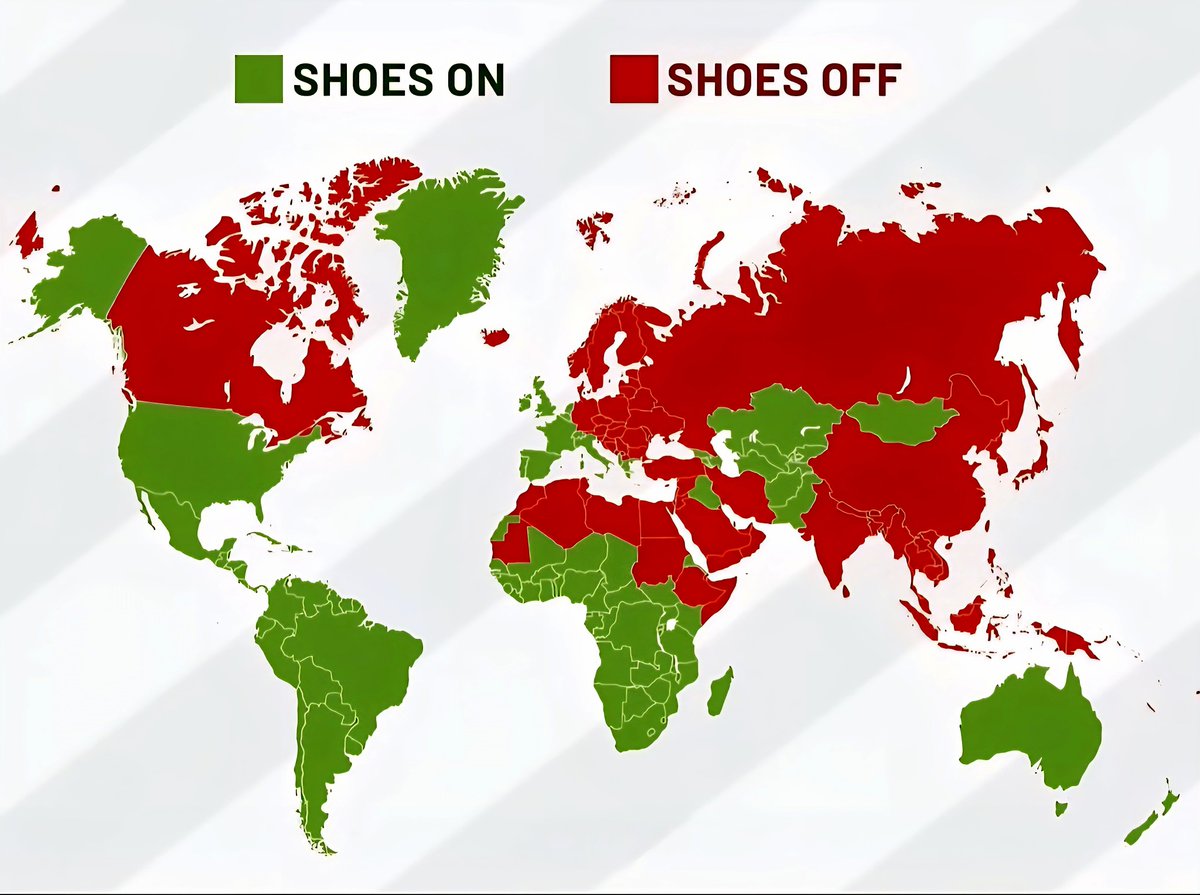
The way people handle their shoes when stepping into someone’s home varies widely across different countries and cultures. What’s customary in one nation might be considered rude or odd in another. Here’s a detailed look at the global habits surrounding footwear inside homes, highlighting key facts, implications, and cultural nuances that define this common practice.
1. Many Asian Countries Emphasize Removing Shoes
In countries like Japan, South Korea, and China, taking off shoes before entering a home is a deeply ingrained tradition. This cultural norm is rooted in a desire to maintain cleanliness and respect for the home. Visitors are expected to slide off their shoes at the door and often wear slippers provided by the host. This custom also extends to traditional settings, such as tea ceremonies and temples.
“It’s considered polite to remove your shoes in these cultures,” explains cultural anthropologist Dr. Mei Ling. “It shows respect for the environment and the household’s cleanliness.” This practice is so widespread that many homes have a dedicated shoe rack or an area near the entrance specifically for footwear.
2. Western Countries Show a Mix of Practices
In the United States, Canada, and many European nations, shoe practices are more varied. Some households strictly enforce removing shoes, especially in private homes, to keep carpets and floors clean. Others adopt a more relaxed attitude, allowing shoes to stay on for convenience, comfort, or personal preference.
Major cities tend to be more lenient, perhaps due to busy lifestyles or larger indoor spaces where the dirt from streets is less of an issue. However, in more formal settings or among hosts with allergies or sensitivities, guests are expected to remove their shoes.
“It’s a matter of personal choice in many Western households,” notes interior designer Sarah Thompson. “But removing shoes often signals respect and helps maintain cleanliness.”
3. Middle Eastern and Mediterranean Customs
Many Middle Eastern countries encourage removing shoes at home entrances as part of their hospitality culture. For instance, in countries like Iran and Turkey, guests are usually offered slippers upon arrival. Similarly, in Greece and Italy, it’s common to take off shoes to avoid tracking dirt into these often ancient and cherished homes.
This practice reflects a deep respect for the home, which is often seen as a sanctuary and a reflection of hospitality.
4. The Scandinavian Approach: Practicality and Cleanliness
Scandinavian countries like Sweden, Norway, and Denmark typically lean towards removing shoes inside homes. Given their long, snowy winters, this habit helps prevent dirt, snow, and slush from spreading indoors. Many households maintain a shoe-free policy to keep their floors clean and comfortable.
“Wearing slippers or indoor footwear is common in Scandinavia,” says home organization expert Lars Pettersson. “It’s both a practical and cozy tradition.”
5. East Asian Countries and Modern Trends
While traditional customs strongly advocate for removing shoes, urbanization and modern lifestyles are influencing the practice in East Asia. Some younger generations in China and Japan are adopting a more relaxed approach, especially in apartments or shared living spaces. Nevertheless, the core principle of cleanliness persists.
Many apartment complexes now have shoe cleaning stations or shoe covers to bridge tradition with convenience, especially in busy urban environments where foot traffic is high.
6. Practical Considerations and Cultural Sensitivities
Understanding and respecting local customs regarding footwear can improve travel experiences and social interactions. If you’re visiting a home abroad, it’s wise to observe what others are doing or ask the host about their preferences. Failing to remove shoes when expected can be viewed as disrespectful or careless.
“Being attentive to these cultural norms shows appreciation and consideration,” advises cultural etiquette expert Monica Harper.
7. The Global Trend Toward Shoe-Free Homes
With increasing awareness of hygiene and comfort, many households worldwide now prefer a shoe-free environment regardless of tradition. This shift is often driven by health concerns, especially in post-pandemic times, with many opting to remove shoes to reduce germs and allergens.
Some modern homeowners have adopted indoor-only slippers or dedicated footwear to keep homes clean while maintaining comfort.
8. Impact on Home Design and Lifestyle
Designers and architects are adapting to these customs by creating practical entryway features—such as shoe cubbies, benches, and shoe-cleaning zones—to facilitate the transition from street to home. The trend reflects an emphasis on cleanliness, comfort, and cultural respect, with many homeowners considering it an integral part of their lifestyle.
9. Cultural Exchange and Learning Opportunities
As global travel continues to grow, awareness of different shoe customs has become more relevant. Visitors who familiarize themselves with local practices can foster goodwill and avoid uncomfortable situations. Asking politely or following the lead of locals demonstrates cultural sensitivity.
Conclusion
The world’s approach to shoes on or off inside a home reveals much about cultural values, hygiene practices, and social etiquette. From strict removal traditions in Asia to more relaxed Western habits, understanding these differences can enhance hospitality and mutual respect across borders. As habits evolve, the common thread remains: maintaining cleanliness and showing respect—whether through shoes or slippers—is universally appreciated.
Note: The image above vividly illustrates the diverse practices around the world, highlighting the rich tapestry of customs related to footwear and home etiquette.
 ChatGPT
 Perplexity
 Gemini AI
 Grok AI