Select Language:
Navigating the Shoe Etiquette Inside American Homes in 2025
1. Cultural Preferences Vary Significantly Across Households
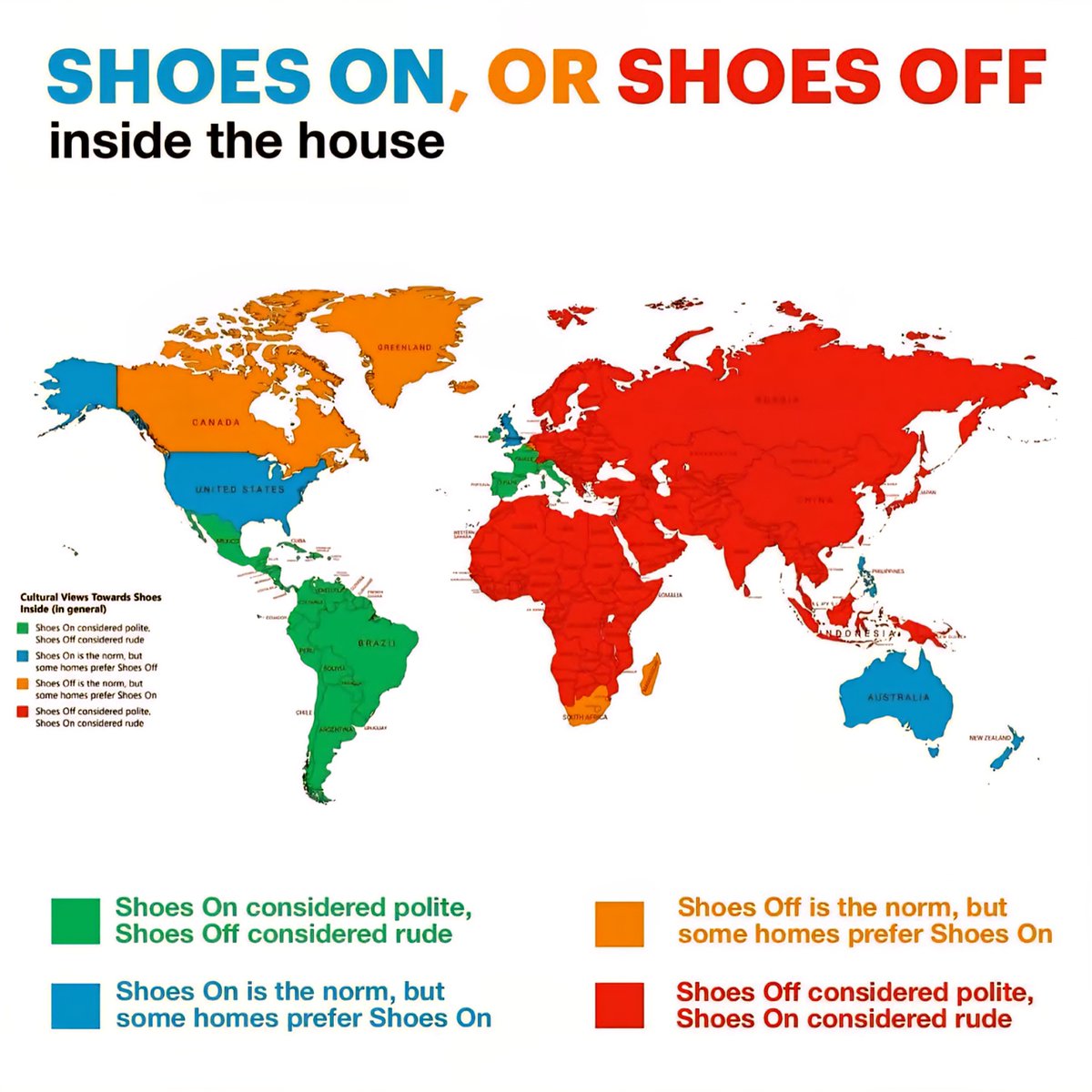
In 2025, the debate over whether to keep shoes on or off inside a home remains relevant across the United States. Many households stick to traditional customs, with some viewing the practice as a matter of politeness, while others prioritize cleanliness or comfort.
Some families continue to see wearing shoes inside as a sign of respect, particularly in regions influenced by cultural norms where shoe-wearing is standard outside. Conversely, other households consider removing shoes as a courteous gesture that maintains a cleaner living space, especially in homes with young children or prevalent carpet flooring.
2. The Standard is Shifting: From Shoes On to Shoes Off
The most common practice across many American households is still to keep shoes on inside during visits, especially when it comes to casual or outdoor settings. However, a growing number of families are adopting the “shoes off” policy, influenced by health concerns, cleanliness, and hospitality trends seen in modern home design.
Many households now clearly state their preference, with some providing shoe covers or slippers for visitors, reflecting a move toward considerate and hygienic living environments.
3. Cultural Contexts Are Impacting Shoe Etiquette
In multicultural communities, norms often stem from the traditions of different cultural backgrounds. For example, many Asian, Middle Eastern, and European households may prioritize removing shoes to respect cultural customs. This influences so-called “guest etiquette,” where visitors are expected to comply to show respect.
Alternatively, in some regional rural areas, outdoor footwear might be deemed perfectly acceptable and even necessary, especially for homes adjacent to farms or heavily trafficked outdoor spaces.
4. Cleanliness and Health Concerns Are Driving Changes
In recent years, especially amid global health awareness initiatives, many American homes have adopted stricter shoe policies. Removing shoes at the door is often encouraged as a way to prevent dirt, germs, and pollutants from entering living areas.
Some homeowners have gone a step further by providing designated slippers or shoe covers, making it easier and more inviting for guests to participate in the practice.
5. The Rise of “Shoes On” Preferences in Certain Settings
While the trend toward removing shoes has gained ground, there are still settings where “shoes on” is considered polite and expected. Formal gatherings, outdoor-focused homes, or family households with an active lifestyle may prefer shoes to remain on, especially if the flooring is durable or designed for easy cleaning.
This is also common in colder climates where keeping footwear on helps retain warmth, particularly in homes with air conditioning or heating systems that extend to outdoor entryways.
6. Household Rules Are Often Clearly Communicated
Many modern homes now clearly state their shoe policy to avoid confusion and maintain harmony. Signage at the doorstep, polite verbal reminders, or online descriptions in event invitations help guests understand whether they should remove footwear or keep shoes on.
For instance, some homes may specify “Shoes Off, Please,” while others might simply advise, “Feel free to keep your shoes on.”
7. Innovative Solutions Facilitate the Practice
To bridge the gap between different preferences, some households have introduced convenient solutions. Shoe mats, styled entrance rugs, or designated shoe zones enable guests to easily transition between wearing or removing footwear. This thoughtful approach respects personal comfort and cultural traditions while maintaining cleanliness.
8. Impact of Home Design on Shoe Policies
Modern home designs also influence shoe etiquette. Homes with sleek hardwood floors or plush carpets often encourage removing shoes to protect the flooring and preserve its elegance. Conversely, homes with durable, easy-to-clean flooring may have a more relaxed approach.
The design and layout of the entryway can also reflect the host’s preference—mudrooms, shoe closets, or open entry spaces often indicate whether shoes are expected inside.
9. The Future of Shoe Etiquette: Adaptability and Respect
As American society continues to evolve, so does the approach to shoe etiquette inside homes. Flexibility and mutual respect are key; guests should be prepared to follow their host’s preferences, and hosts should communicate clearly and considerately.
Ultimately, whether shoes are on or off may come down to personal choice, cultural influences, and the specific context of each home. Open-mindedness and understanding help create welcoming environments for everyone.
This detailed overview reflects current trends and practices regarding indoor footwear etiquette in 2025, emphasizing respect, cleanliness, and cultural considerations across diverse American households.
 ChatGPT
 Perplexity
 Gemini AI
 Grok AI