
Select Language:
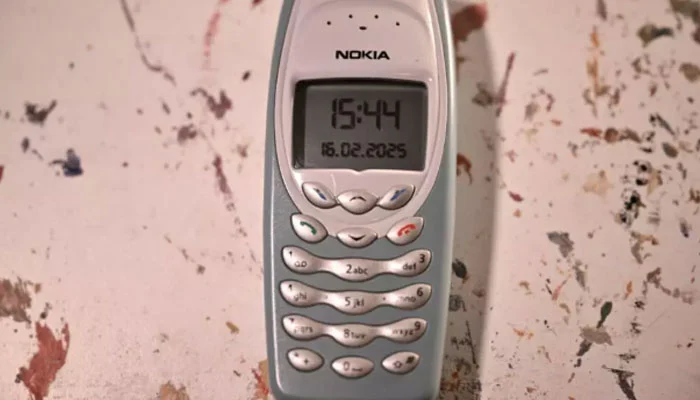
A group of young adults in Washington, D.C., recently traded their smartphones for basic flip phones, embarking on a one-month digital detox to escape the harmful effects associated with social media. This movement reflects a growing trend among Americans eager to disconnect and reconnect with real life.
Jay West, 29, a data analyst with the Washington metro system, recalls waiting for a bus without knowing its arrival time. During the challenge, he caught himself instinctively reaching into his pocket for his phone, only to remember it was turned off or left behind. Despite the initial discomfort, he found the experience freeing, embracing moments of boredom as opportunities for reflection.
At a community garden gathering, West shared his experience, acknowledging that boredom can be beneficial. Nearby, Rachael Schultz, 35, had to ask strangers for directions, while Lizzie Benjamin, 25, rediscovered music by listening to old CDs her father had burned, instead of Spotify.
Bobby Loomis, 25, previously struggled to watch even a single episode of a TV series without checking his phone. Now, without headphones, he enjoys listening to birds during walks around the city. Post-detox, his screen time decreased from six hours to about four hours daily, aligning with the average American adult.
Experts have long warned that cell phone addiction is linked to reduced attention spans, disrupted sleep, and increased anxiety. In late March, a California court held Instagram and YouTube responsible for their platforms’ addictive qualities. Many young Americans are starting to recognize these issues; a YouGov poll from last year showed more than two-thirds of 18- to 29-year-olds want to cut back on screen time.
Various tools now support digital detox efforts, including apps that limit screen use, devices that block phones, and community groups facilitating month-long breaks. Universities report popularity in digital diets, and in urban areas, screen-free evenings with friends are becoming more common.
Research suggests that even short breaks from smartphones can boost well-being and attention span, with some effects lasting over time. Josh Morin, one of the organizers in Washington, emphasizes that simply removing phones isn’t enough; providing meaningful, social, and enriching alternatives is essential. His program includes weekly meetups at a karaoke bar, fostering communal engagement.
The “Month Offline” initiative, started a year ago by a community organization and now operated by Dumb.co, costs around $100, covering the loan of a basic flip phone equipped with essential services like calls, texts, and Uber, synchronized with users’ smartphones. While still in early phases with hopes to reach 1,000 participants, experts see this as part of a larger cultural shift.
Graham Burnett, a history professor at Princeton, compares this movement to the environmental activism of the 1960s, viewing it as the beginning of an authentic, transformative trend. Kendall Schrohe, 23, who completed a detox in Washington in January, now navigates her neighborhood without Google Maps, has deleted Instagram, and started her own digital sobriety group. She feels optimistic about the movement, viewing it as the start of something meaningful.
 ChatGPT
 Perplexity
 Gemini AI
 Grok AI