Select Language:
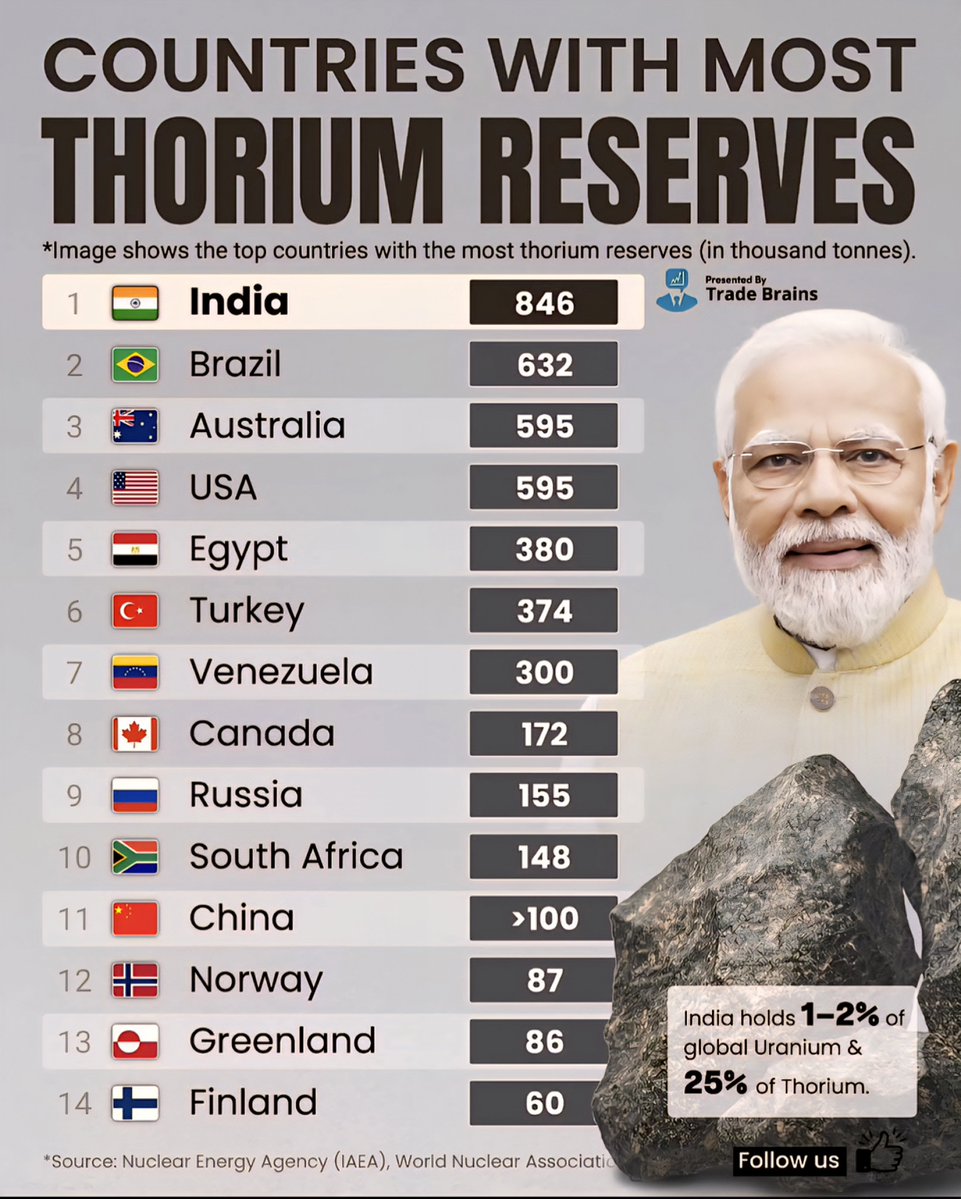
Top Countries Leading in Thorium Reserves in 2025
India Emerges as the Global Leader in Thorium Reserves
India continues to dominate the world’s thorium resources, boasting an estimated 846,000 metric tons. Located primarily in the southern states, India has capitalized on its abundant thorium deposits to position itself as a potential future nuclear power hub, aiming for cleaner and more sustainable energy sources. The country’s strategic focus on thorium is driven by its long half-life, relatively abundant supply, and the potential for safer nuclear energy generation compared to uranium-based reactors.
Brazil Rises in Global Thorium Reserves Rankings
Brazil holds approximately 632,000 tons of thorium, making it the second-largest reserve globally. The country’s vast mineral deposits, especially in the northeast region, are increasingly seen as a significant resource that could help diversify its energy portfolio, as Brazil continues to expand its renewable energy grid and explore nuclear options for future growth.
Australia and the United States Maintain Their Reserves at Nearly the Same Level
Both Australia and the United States each contain about 595,000 tons of thorium. Australia’s magistral mineral wealth, including thorium-rich monazite sands, makes it a key player in the global thorium market. Meanwhile, the U.S. has long-standing mineral deposits, with several initiatives—both government and private sector-led—aiming to develop domestic thorium extraction and processing capabilities as part of its energy independence goals.
Egypt and Turkey Secure Substantial Thorium Deposits
Egypt’s thorium reserves have been estimated at roughly 380,000 tons. The North African country is actively exploring its mineral assets to develop a more diversified energy sector, considering thorium as a promising alternative to traditional energy sources.
Turkey follows closely, with approximately 374,000 tons of thorium, positioning itself as a potential regional hub for thorium-based nuclear reactors, especially as it pushes for energy independence and aims to reduce reliance on imported fossil fuels.
Venezuela: A Notable Reserve Holder in South America
Venezuela possesses around 300,000 tons of thorium. Despite economic and political challenges, its mineral wealth remains considerable. Future plans to develop thorium resources could revive the nation’s energy sector and attract foreign investments into its mining industry.
Canada and Russia Maintain Strong Thorium Reserves
Canada holds about 172,000 tons of thorium, primarily in its rich mineral deposits in Quebec and Ontario. The country has been exploring thorium’s potential for a sustainable energy future, especially considering the increasing global demand for clean nuclear power sources.
Russia, with approximately 155,000 tons, leverages its expansive mineral resources and state-led initiatives to develop uranium and thorium resources concurrently, reflecting its strategic interest in nuclear energy expansion.
South Africa and China Complete the Top 12 List
South Africa possesses roughly 148,000 tons of thorium, with exploration focusing on its rich monazite sands along the coast. As the continent’s energy needs grow, South Africa sees thorium as a potential component of its energy diversification.
China has over 100,000 tons of thorium reserves and continues to work toward establishing a strong nuclear energy program. Its long-term energy strategy includes developing thorium-based reactors to meet its ambitious sustainability goals.
Other Notable Thorium Reserves Around the World
- Norway, with 87,000 tons, is exploring its mineral deposits for potential thorium extraction, aiming to contribute to the European clean energy goals.
- Greenland holds approximately 86,000 tons and is gaining attention for its untapped mineral wealth, including thorium.
- Finland’s reserves are closest to 60,000 tons, with ongoing research into how thorium could complement its highly efficient nuclear reactor fleet.
Why Thorium Is Gaining Global Attention in 2025
As the world shifts toward sustainable energy sources, thorium has emerged as a promising alternative to uranium in nuclear reactors. Its abundance, safety benefits, and lower waste byproducts make it an attractive option for future power generation. Countries with substantial reserves are investing heavily in research and development to unlock the full potential of thorium-based nuclear technology.
Source: Nuclear Energy Agency (IAEA), World Nuclear Association via Trade Brains
 ChatGPT
 Perplexity
 Gemini AI
 Grok AI