Select Language:
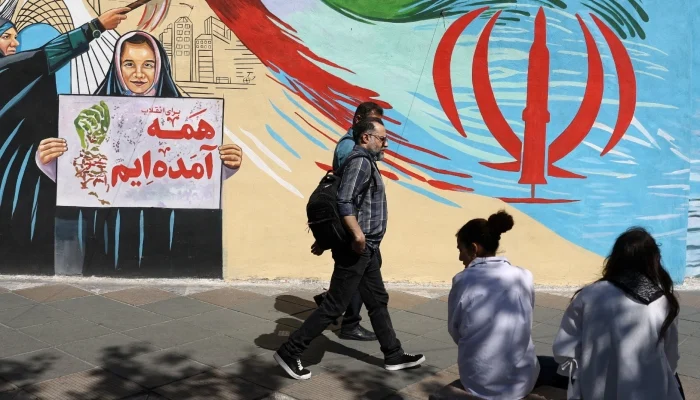
Tehran’s latest peace proposal to the U.S. involves stopping hostilities across all borders, including Lebanon, removing U.S. troops from areas close to Iran, and compensating for damages caused by the U.S.-Israeli conflict, according to state media reports on Tuesday.
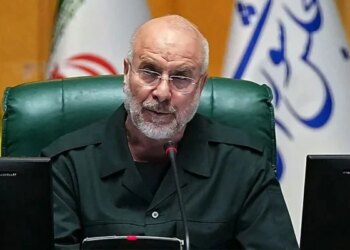
In Tehran’s initial response to the offer, Deputy Foreign Minister Kazem Gharibabadi stated that Iran also wants sanctions lifted, the release of frozen funds, and an end to the U.S. Marine blockade. These details were reported by IRNA news agency.
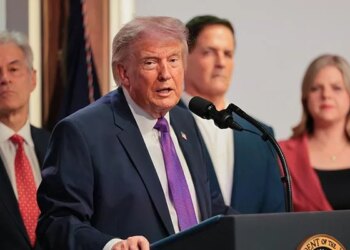
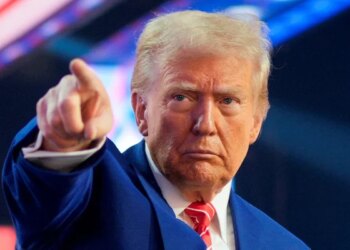
The terms outlined in Iran’s reports seem largely similar to previous offers that U.S. President Donald Trump dismissed last week, branding it as “garbage.” On Monday, Trump announced he paused an imminent attack on Iran after Tehran submitted a new peace proposal, suggesting there’s a strong possibility of reaching an agreement to limit Iran’s nuclear program.
It’s unclear whether preparations for strikes had been made, which could signal a restart of Trump’s military actions initiated in late February. Under pressure to reopen the crucial Strait of Hormuz — an essential route for global oil and commodity supplies — Trump previously expressed optimism about a near-agreement and threatened severe strikes if Iran refused to cooperate.
Trump also tweeted that leaders from Qatar, Saudi Arabia, and the UAE had urged him to delay the attack because “a deal will be made, acceptable to the U.S., Middle East, and beyond.”
A Pakistani source confirmed that Islamabad, which has been mediating between the sides since hosting the only round of peace negotiations last month, shared Iran’s proposal with Washington.
Although both parties haven’t publicly revealed concessions, a senior Iranian official indicated that the U.S. might be softening some of its demands. The official noted the U.S. agreed to release a quarter of Iran’s frozen assets held abroad — totaling tens of billions of dollars — though Iran seeks the full amount. Additionally, Washington has shown more flexibility in allowing Iran to continue some peaceful nuclear activities under the supervision of the International Atomic Energy Agency.
 ChatGPT
 Perplexity
 Gemini AI
 Grok AI