Select Language:
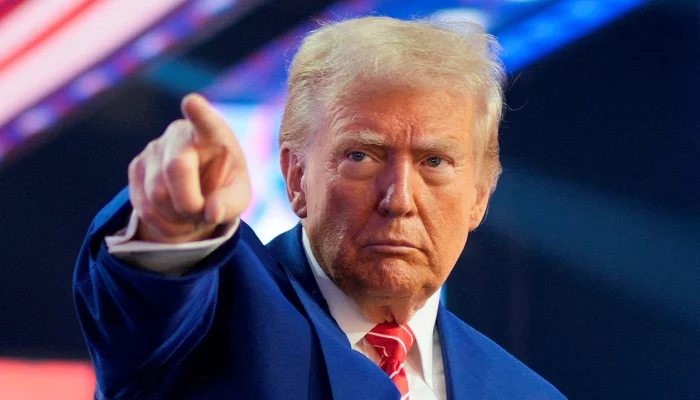
President Donald Trump delivered a new warning to Iran on Sunday, insisting the country must act swiftly toward a peace agreement or face severe consequences. Washington has been engaged in ongoing conflicts with Tehran since U.S. and Israeli forces launched significant strikes against Iran starting February 28. Efforts to break the deadlock and reach a resolution have been unsuccessful, prolonging a conflict that destabilizes the Middle East and causes energy prices to rise.
Trump stated on his Truth Social platform, “Time is running out for Iran. They need to act quickly, or there might be nothing left of them.” The fighting has resulted in a de facto blockade of the Strait of Hormuz—through which around 20% of the world’s oil passes during peacetime—and has drawn neighboring countries Israel and Lebanon into further turmoil.
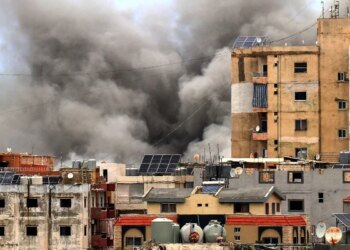
Iran’s government, which exerts control through its clerical leadership, has insisted on a permanent ceasefire in Lebanon before any wider peace talks with Trump. Iran remains resistant to a deal on U.S. terms, frustrating American negotiators. An Israeli military official reported that Hezbollah fired approximately 200 projectiles at Israel and its forces over the weekend, despite ongoing ceasefire agreements between Israel and Lebanon.
Lebanese authorities reported that Israeli strikes on southern Lebanon Sunday killed five people, including two children. Since the war began, Israeli attacks have resulted in over 2,900 deaths in Lebanon, with 400 fatalities since a ceasefire went into effect on April 17.
Despite a ceasefire agreement reached on April 8, peace negotiations have stalled, and sporadic violence persists. Iranian media indicated that the U.S. did not make any meaningful concessions in response to Iran’s proposals for ending the conflict. The Fars news agency reported that Washington presented a list of five demands, including Iran maintaining just one nuclear site and transferring its stockpile of highly enriched uranium to the U.S. They also reportedly refused to release more than 25% of Iran’s frozen foreign assets or pay reparations for damages caused during the war.
Meanwhile, a drone attack in Abu Dhabi caused a fire near a nuclear power plant. Authorities confirmed no injuries or radiation issues. Iran-backed militia groups in Iraq and Yemen—such as the Houthi rebels—operate armed drones capable of offensive strikes.
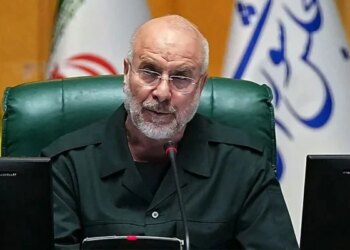
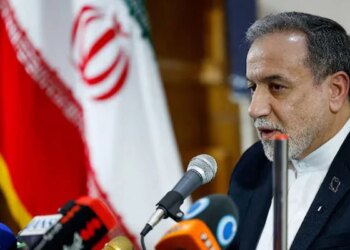
Pakistan has been mediating the talks, with Interior Minister Mohsin Naqvi meeting in Tehran with Iran’s chief negotiator and parliament speaker, Mohammad Bagher Ghalibaf. Ghalibaf later warned that the U.S. and Israel’s military actions have destabilized the entire Middle East. He expressed disappointment that U.S. presence in the region has failed to ensure security and instead fosters insecurity.
Earlier this week, Trump also discussed Iran during a summit with Chinese President Xi Jinping. While Xi assured Trump China was not providing military aid to Iran, the Chinese Foreign Ministry emphasized the importance of reopening shipping lanes in the region.
 ChatGPT
 Perplexity
 Gemini AI
 Grok AI