Select Language:
Top 10 Countries with the Highest Birth Counts in 2025
India Continues to Lead Globally
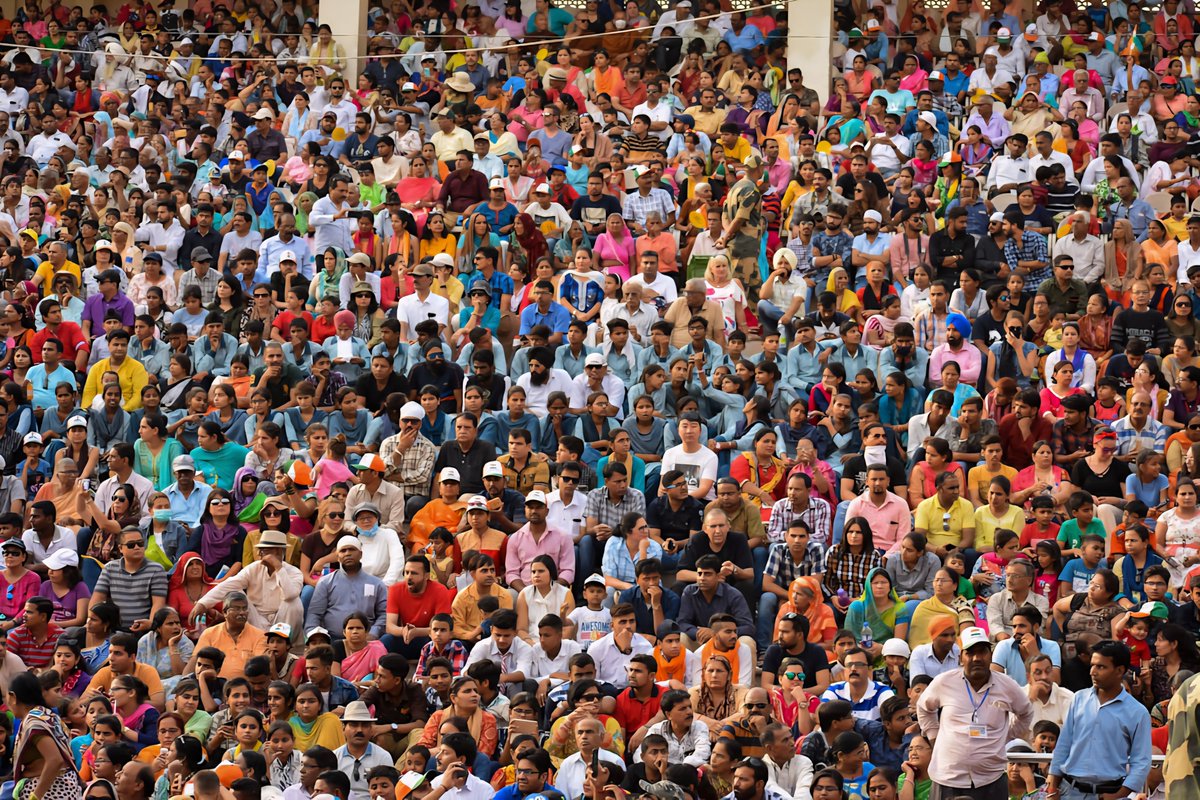
India has maintained its position as the world’s most birthing nation in 2025, with an estimated 23.07 million new lives welcomed this year. This figure reflects ongoing demographic trends driven by a large youthful population, especially in rural areas where birth rates remain high. Despite a gradual decline in some regions, India’s population growth sustains its global leadership in births, contributing significantly to the overall increase in world population. Efforts in family planning and urbanization are gradually influencing these numbers, but they have not yet significantly reduced overall birth rates.
China’s Births Remain Steady Amid Policy Changes
China recorded approximately 8.71 million births in 2025. After decades of implementing strict population control policies, the country has seen a modest uptick in births owing to recent policy relaxations encouraging families to have more children. However, demographic shifts, including an aging population and urban migration, continue to impact China’s birth counts. This trend suggests the beginning of a potential demographic transition as the nation balances economic growth with population health dynamics.
Nigeria’s Population Growth Continues Unabated
Nigeria continues its rapid population expansion, with an estimated 7.64 million births this year. The country’s high fertility rates, combined with improving healthcare infrastructure, contribute to its position as Africa’s most populous country. Experts predict Nigeria will soon challenge India’s population dominance if current growth trends persist. The nation’s young demographic profile offers both economic opportunities and challenges, particularly regarding resource allocation and infrastructure development.
Pakistan’s Birth Numbers Near 7 Million
In 2025, Pakistan boasts around 6.91 million births. Similar to Nigeria, Pakistan experiences high fertility rates that keep its population growth steady. Social, cultural, and economic factors play key roles in reproductive choices, with some regions seeing persistent high birth rates amid improving access to healthcare and education. Authorities remain focused on balancing population growth with sustainable development.
Democratic Republic of Congo’s Population Boom
The Democratic Republic of Congo (DR Congo) welcomed approximately 4.56 million new arrivals this year. Its own demographic explosion is fueled by high fertility rates and improving but still limited healthcare access. The country’s youth-dominated population is a rising concern amid ongoing conflicts and development challenges, making population management a critical issue in policy discussions.
Indonesia’s Steady Growth
Indonesia ranks sixth, with 4.44 million births in 2025. Its family planning programs and economic development have led to a gradual stabilization of birth rates, but the overall population continues to rise. The archipelago’s large and diverse population presents unique opportunities for economic growth, though it also strains resources and infrastructure.
Ethiopia’s Demographic Expansion
With 4.18 million births, Ethiopia remains one of Africa’s fastest-growing countries. Sustained high fertility rates and improvements in maternal health are key drivers. Ethiopia’s young population promises a potential demographic dividend if investments in education and economic diversification are scaled wisely.
The United States’ Birth Toll Hits 3.66 Million
The U.S. saw approximately 3.66 million births this year, reflecting stabilized fertility rates post-pandemic. While birth rates have slightly declined compared to previous decades, the birth of over three million children continues to fuel demographic changes, impacting healthcare, education, and social services planning across the country.
Bangladesh Approaches 3.5 Million New Births
Bangladesh registered about 3.44 million births in 2025. Its declining fertility rate over recent years is a result of successful family planning initiatives. Despite this, high population density in urban centers remains a concern for policymakers striving to balance development and resource management.
Brazil’s Fertility Trends
Brazil experienced approximately 2.53 million births in 2025. The country’s fertility rate continues to decline gradually as urbanization and access to reproductive health services improve, threatening its previous population growth trajectory. Nevertheless, Brazil remains a key demographic player in South America.
Additional Insights: Countries with Significant Birth Figures
- Egypt (2.45 million), Tanzania (2.42 million), and Mexico (2 million) are notable contributors to global births, reflecting continued population growth in Africa and Latin America.
- Europe’s largest population increase in births is seen in Turkey and France, with over 1 million births each, illustrating emerging demographic stabilization and minor growth.
- Countries like South Africa, Nigeria, Iran, and Kenya are also key contributors, continuing to shape the developing world’s demographic landscape.
Global Population Outlook for 2025
The total number of births worldwide is estimated to be around 132.31 million this year. This ongoing demographic event underscores the importance of sustainable development and resource planning amid burgeoning populations, especially in high-growth regions like Africa and South Asia.
In Summary
2025’s global birth data reveals a shifting demographic landscape, with developing nations leading population growth, while many developed countries experience stabilization or a decline in birth rates. Urbanization, policy changes, healthcare advances, and cultural shifts are all influencing these trends, which will shape economic and social policies for decades to come.
Source: UN World Population Prospects 2024 via Our World in Data.
 ChatGPT
 Perplexity
 Gemini AI
 Grok AI