Select Language:
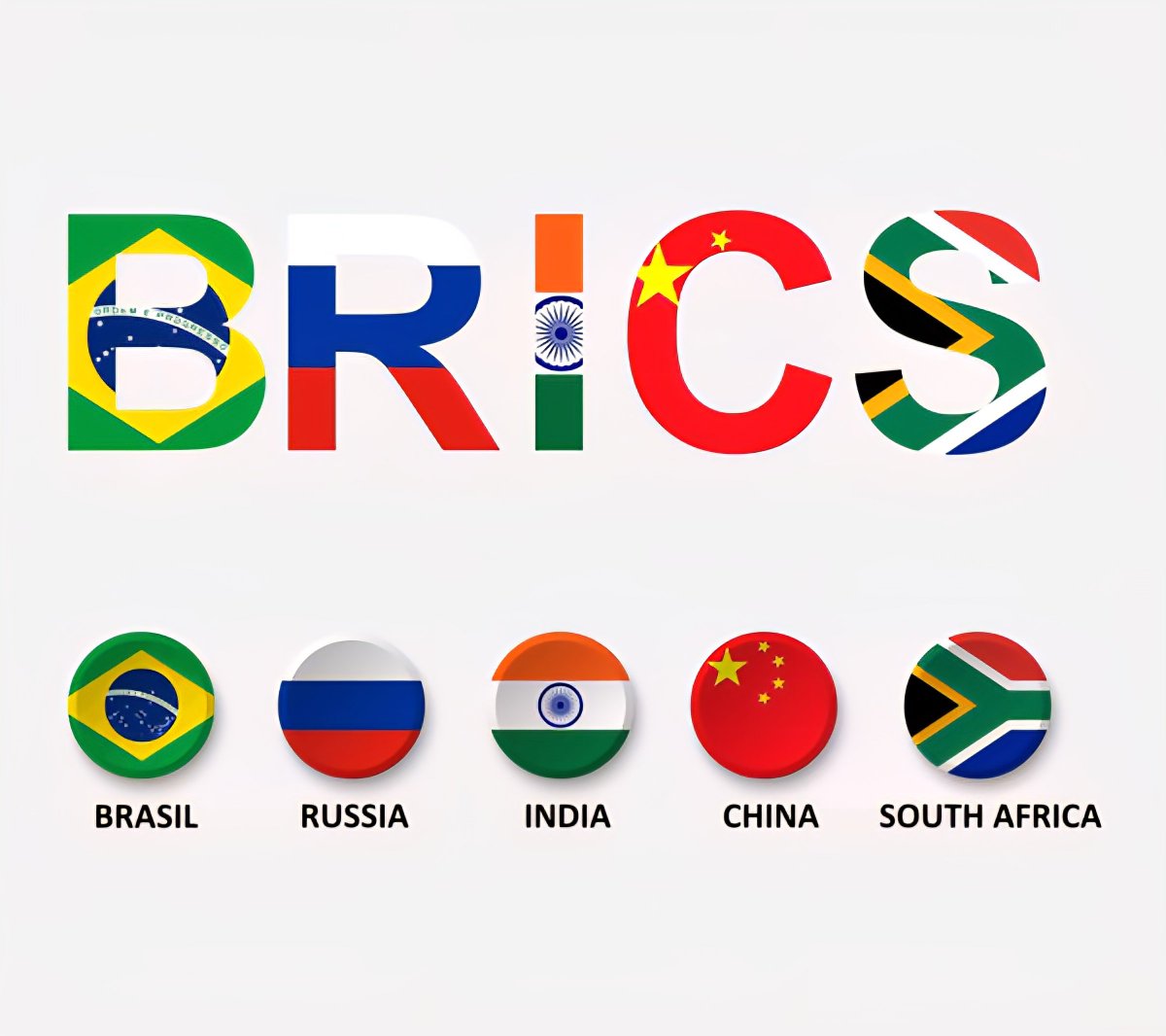
BRICS Nations: A Look at Member Economies in 2025
The Core BRICS Countries: Dominating the Global Economy
-
Brazil: With a Gross Domestic Product (GDP) of $2.29 trillion, Brazil remains a key player in the BRICS alliance, leveraging its vast natural resources and growing markets.
-
Russia: Slightly ahead, Russia boasts a GDP of $2.51 trillion, driven by energy exports and strategic geopolitical positioning within the alliance.
-
India: Surging ahead with a GDP of $4.51 trillion, India continues its rapid economic growth, fueled by technology, manufacturing, and a sizeable consumer base.
-
China: The economic giant of the group, China’s GDP stands at an unprecedented $20.65 trillion, solidifying its status as the world’s manufacturing and export powerhouse.
-
South Africa: Valued at $452 billion, South Africa serves as Africa’s economic hub, with important mineral resources and industrial sectors.
-
Egypt: With a GDP of $402 billion, Egypt is growing as a vital regional center for trade and culture.
-
Ethiopia: At $126 billion, Ethiopia is one of Africa’s fastest-growing economies, positioning itself as an emerging manufacturing and agricultural nation.
-
Iran: Estimated at $358 billion, Iran’s economy is primarily driven by oil, although sanctions and geopolitical issues impact growth.
-
United Arab Emirates (UAE): Raking in $603 billion, the UAE leverages its strategic location and diversified economy, especially in finance, trade, and tourism.
-
Indonesia: With a GDP of $1.55 trillion, Indonesia is Southeast Asia’s largest economy, boasting a vibrant manufacturing and export sector.
Pending Full Membership: Key Countries Still on the Fence
- Saudi Arabia: Officially invited to join BRICS, Saudi Arabia’s GDP is estimated at $1.32 trillion. Its strategic role in global energy markets makes its potential membership significant.
BRICS+ Partners: Countries with Strategic Ties and Alliances
-
Nigeria: Africa’s largest economy at $296 billion, Nigeria’s diverse economy includes oil, agriculture, and technology sectors.
-
Bolivia: With a GDP of $57 billion, Bolivia continues to develop its natural resource sectors.
-
Cuba: No recent GDP data available; however, Cuba remains a political and strategic partner.
-
Kazakhstan: Valued at $303 billion, Kazakhstan’s economy is driven by energy, minerals, and agriculture.
-
Malaysia: A notable $472 billion GDP holder, Malaysia is a manufacturing hub with strong export ties.
-
Thailand: With a GDP of $559 billion, Thailand’s diversified economy boasts tourism, electronics, and agriculture.
-
Belarus: At $74 billion, Belarus maintains close economic ties with neighboring Russia.
-
Uganda: With a GDP of $66 billion, Uganda’s economy is expanding through agriculture and mining.
-
Uzbekistan: Estimated at $136 billion, Uzbekistan is gaining ground in energy and textiles.
-
Vietnam: South-East Asia’s emerging economic star, Vietnam’s GDP hits $492 billion, driven by manufacturing and exports.
Countries Applying for BRICS Membership: Ambitions for Inclusion
-
Azerbaijan: With a GDP of $79 billion, Azerbaijan aims to join BRICS to bolster regional influence.
-
Bangladesh: At $478 billion, Bangladesh’s economy is rapidly growing, especially in textiles and manufacturing.
-
Pakistan: Estimated at $413 billion, Pakistan’s strategic location and burgeoning industries make it a candidate.
-
Kuwait: Valued at $155 billion, Kuwait looks to align more closely with BRICS’ economic bloc.
Countries Showing Interest: Aspirants and Aspirations
-
Angola: With a GDP of $115 billion, Angola seeksBRICS membership to diversify its economy beyond hydrocarbons.
-
Ghana: At $91 billion, Ghana is exploring regional alliances for economic growth.
-
Colombia: Notably, with an estimated GDP of $439 billion, Colombia shows strategic interest in the bloc.
-
Peru: Economy valued at $321 billion, considering opportunities for regional cooperation.
-
Afghanistan, Iraq, Myanmar: These nations with varying economic sizes are expressing interest, aiming to strengthen regional ties or attract investments.
As of the latest data from IMF in 2025, the BRICS alliance continues to evolve, with member economies shaping the global economic landscape and new nations vying for inclusion, signaling a shifting balance towards emerging markets and strategic global partnerships.
 ChatGPT
 Perplexity
 Gemini AI
 Grok AI