Select Language:
The 50 Most Influential Military Units in History
Roman Legions: The Backbone of Ancient Rome
The Roman legions are arguably the most iconic military units in history. Established around 450 BC, these highly disciplined infantry units played a pivotal role in expanding and maintaining the Roman Empire for centuries. Their innovative tactics, superior organization, and engineering skills, such as constructing roads and fortifications, set standards for military efficiency. Their legacy endures, influencing military structure for centuries.
Ottoman Janissaries: The Elite Force of the Ottoman Empire
Formed in the 14th century, the Janissaries were the elite infantry of the Ottoman Empire. Originally recruited through the devshirme system, they became a formidable standing army known for their discipline, black uniforms, and firearms proficiency. Their military prowess contributed significantly to Ottoman territorial expansion and dominance in the Middle East and Europe.
Mongol Heavy Cavalry: The Thunder of the Steppes
The Mongol heavy cavalry, especially during Genghis Khan’s conquests, revolutionized warfare with their mobility and coordination. These elite horsemen mastered the use of composite bows while mounted, enabling rapid, devastating raids across Eurasia. Their tactics terrified enemies and facilitated the vast Mongol Empire.
Spanish Tercios: Renaissance Warriors
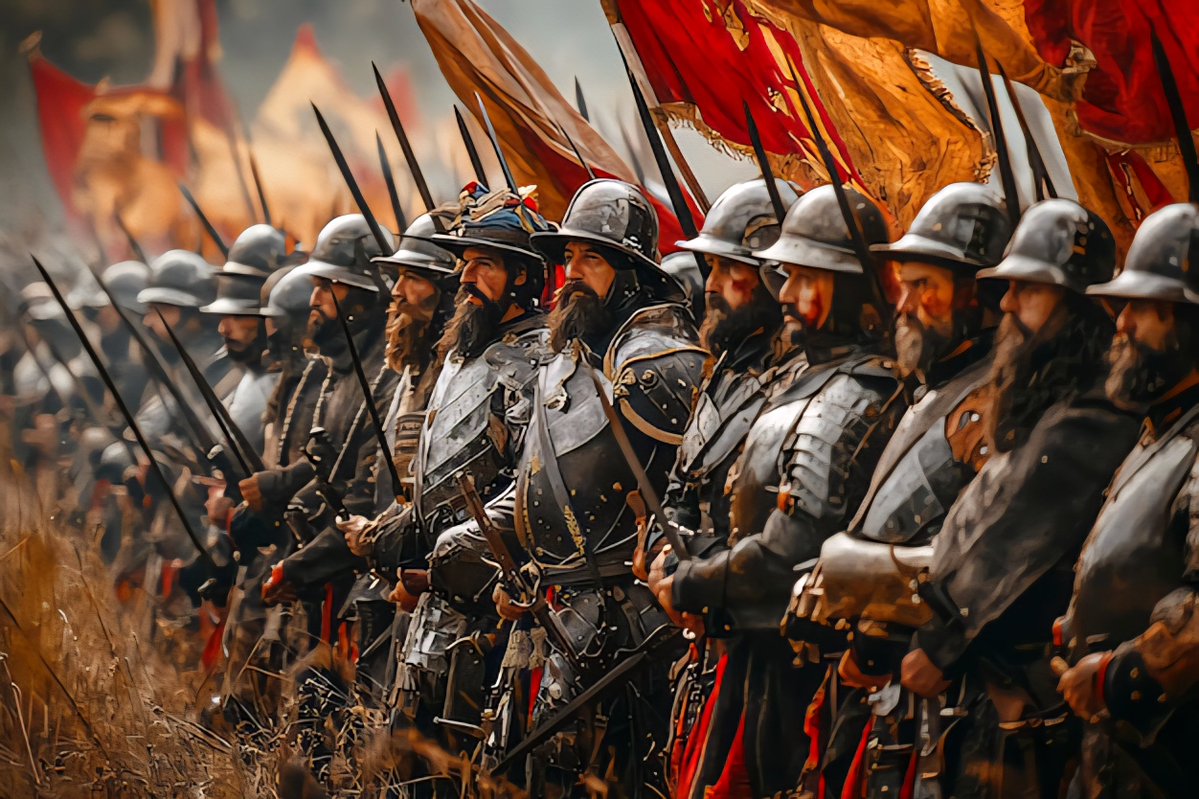
The Spanish Tercios emerged in the 16th century as a revolutionary infantry formation combining pikemen, swordsmen, and arquebusiers. Their flexible tactics and disciplined firing lines made them the dominant force on European battlefields for over a century, shaping modern infantry tactics.
Japanese Samurai: Feudal Warrior Aristocrats
The samurai, Japan’s noble warrior class, became renowned for their martial skills, code of honor ( bushido), and loyalty. From the 12th century onward, they played a critical role in Japanese history, influencing culture and warfare. Their influence lasted until the 19th century, when modernization transformed Japan’s military into a more centralized force.
US Navy SEALs: Modern Special Warfare Pioneers
Established during World War II, the Navy SEALs are among the most versatile special operations forces in today’s military. Their missions include covert sabotage, hostage rescue, and reconnaissance. Over the decades, their elite training and daring operations have earned worldwide respect.
Greek Spartan Hoplites: The Pinnacle of Ancient Sparta
The Spartans’ hoplites were the epitome of military discipline and strength. Trained since childhood, these heavily armed infantry fought in tight phalanxes, exemplified at the Battle of Thermopylae. Their strict discipline and combat prowess have become a symbol of martial excellence.
British SAS: The Legendary Special Force
Founded during WWII, the SAS (Special Air Service) became renowned for behind-the-lines sabotage, reconnaissance, and counter-terrorism. Their daring missions and innovative tactics have made them a benchmark for special forces worldwide.
Mongol Horse Archers: Masters of Mobility
Mongol horse archers combined swift mobility with accurate ranged attacks, enabling the Mongol armies to outmaneuver larger armies. Their tactical flexibility was crucial in establishing one of the largest empires in history.
Praetorian Guard: Imperial Rome’s Elite Bodyguard
Tasked with protecting Roman emperors, the Praetorian Guard wielded significant political influence. Known for their discipline and loyalty, they played a pivotal role in Rome’s imperial politics from Julius Caesar’s era until the fall of the Western Empire.
Varangian Guard: Vikings Turned Imperial Bodyguards
Serving as the personal guard of Byzantine emperors, the Varangian Guard was composed mainly of Norse warriors. Known for their fierce fighting style and loyalty, they defended Constantinople for centuries.
French Foreign Legion: The International Elite
Established in 1831, the French Foreign Legion accepts volunteers from across the globe. Known for its resilience and combat effectiveness, it has participated in numerous conflicts worldwide and remains a symbol of French military strength.
Zulu Impi: Fearsome African Warriors
The Zulu impi was a formidable force during the 19th century, led by Shaka Zulu. Their innovative tactics, such as the “buffalo horns” formation, allowed them to defeat numerically superior armies, including British forces at the Battle of Isandlwana.
Gurkhas: Renowned Nepali Fighters
Hailing from Nepal, the Gurkhas have been part of the British and Indian armies for over 200 years. Their exceptional bravery and combat skills have earned them a legendary reputation in conflicts worldwide.
Knights Templar: Medieval Crusader Knights
Founded during the Crusades, the Knights Templar became an influential and wealthy military order. Their combat skills and strategic influence in medieval Europe and the Holy Land left a lasting mark on history.
Swiss Pikemen: Masters of Late Medieval Warfare
The Swiss pikemen were renowned for their discipline and formidable pike formations. Their success in the Battle of Morgarten and subsequent battles challenged traditional feudal armies and revolutionized infantry tactics.
Egyptian Chariot Corps: Early Military Pioneers
Ancient Egypt’s chariot corps played a crucial role in battle, especially during the New Kingdom. Their mobility and firepower helped Egypt expand its territory and defend against invasions.
Viking Raiders: Scandinavia’s Fierce Warriors
Vikings from Scandinavia raided and traded across Europe from the 8th to 11th centuries. Their formidable ships, martial prowess, and fearsome reputation made them legendary figures in history.
Shinobi (Ninja Clans): Espionage Experts of Feudal Japan
The ninja were covert agents skilled in espionage, sabotage, and guerrilla warfare. Their stealth tactics and adaptability made them valuable assets during Japan’s feudal period.
Roman Auxilia: Auxiliary Forces Supporting Rome
Supplementing the legions, the auxilia were diverse units recruited from Rome’s provinces. Their specialized skills, such as cavalry and archery, enhanced Rome’s military effectiveness.
Macedonian Phalanx: Alexander the Great’s Heavy Infantry
The Macedonian phalanx, wielding sarissas (long spears), formed the core of Alexander the Great’s army. Their discipline and cohesion allowed the Macedonians to conquer vast territories.
Apache Scouts: Native American Forest Fighters
The Apache scouts were renowned for their tracking skills and guerrilla tactics. They served as valuable guides and fighters, defending their lands against various invaders.
Sikh Khalsa: Fierce Warriors of the Indian Subcontinent
Established in the 18th century, the Khalsa represented a martial tradition emphasizing discipline, bravery, and resilience. They significantly contributed to regional conflicts and resisted colonial powers.
Ottoman Sipahi: Ottoman Cavalry Elite
The sipahi were Ottoman mounted soldiers forming the backbone of the empire’s cavalry. Their swift and mobile tactics helped expand Ottoman territories for centuries.
Byzantine Cataphracts: Heavy Cavalry of the Byzantine Empire
The Byzantine cataphracts were heavily armored cavalry equipped with lances and swords. Their shock tactics played a vital role in defensive and offensive battles.
US Marines: The Marine Corps’ Frontline Force
Since 1775, the US Marines have been a quick-reaction force capable of rapid deployment worldwide. Their versatility and fighting spirit have made them a key part of American military power.
Russian Spetsnaz: Russia’s Special Forces
Spetsnaz units are renowned for their rigorous training, counter-terrorism, and covert operations. Their effectiveness remains respected globally.
Japanese Sohei Warrior Monks: Battlefield Monks
The Sohei monks fought as warrior monks during Japan’s feudal period, blending martial skill with religious dedication. They often defended temples and contributed to regional conflicts.
British Redcoats: The British Army’s Iconic Line Infantry
The redcoats were the disciplined line infantry of Britain’s imperial army from the 17th to 19th centuries, fighting in numerous colonial conflicts and European wars.
Maori Warriors: Indigenous Fights of New Zealand
The Maori’s traditional warfare and guerrilla tactics earned them respect during the colonization and conflicts with European settlers.
Persian Immortals: Elite Achaemenid Empire Soldiers
The Immortals were an elite force of 10,000 Persian soldiers, always maintained at full strength. Their discipline and heroism were legendary in battles like Thermopylae.
Assyrian Charioteers: Ancient Eurasian Warriors
The Assyrian empire relied heavily on chariot warfare, showcasing their innovative tactics and technological advances in ancient war.
Carthaginian War Elephant Corps: Massive Beasts of War
Carthage used war elephants in their campaigns against Rome, creating terror and chaos on the battlefield, especially during the Punic Wars.
German Panzer Divisions: WWII Tank Battalions
The German panzer divisions revolutionized armored warfare, utilizing blitzkrieg tactics that toppled nations across Europe during WWII.
Napoleonic Old Guard: Napoleon’s Elite Troops
The Old Guard represented Napoleon Bonaparte’s most loyal and formidable soldiers, embodying discipline and tactical innovation during the early 19th century.
WWII Gurkha Rifles: Brave Intercontinental Fighters
Gurkhas played key roles in WWII battles, particularly in Southeast Asia, earning respect for their valor and resilience.
Israeli Sayeret Matkal: Covert Counter-Terrorism Unit
Sayeret Matkal specializes in intelligence gathering, hostage rescue, and covert operations, often operating behind enemy lines with precision.
Berber Cavalry: North African Horsemen
The Berbers provided fast, agile cavalry units that participated in numerous regional conflicts, influencing North African warfare.
Moroccan Black Guard: Royal Bodyguards
The Black Guard served as loyal protection for Moroccan royalty, often participating in military campaigns and palace security.
Cossack Cavalry: Russian Steppe Raiders
The Cossacks were renowned for their fierce cavalry tactics, raids, and role as border guards in Russia.
Korean Hwarang: Noble Warrior Youths
The Hwarang were elite warrior youths of ancient Korea, combining martial training with cultural and philosophical development.
Roman Equites: Cavalry of Ancient Rome
The Roman equites were aristocratic cavalrymen who supported the legions in battle, often acting as officers and messengers.
Swiss Guard: The Papal Protectors (Historic)
Established as protecting the Pope, the Swiss Guard has a storied history of defending Vatican City for centuries.
Greek Peltasts: Light Infantry of Ancient Greece
The peltasts provided skirmishing and ranged attack capabilities, vital for Greek warfare strategies.
Tibetan Khampa Warriors: Mountain Fighters
Renowned for their guerrilla tactics, Khampa warriors played significant roles in regional conflicts across the Himalayan region.
Rajput Warriors: Indian Fortresses and Valor
Famed for their chivalry and martial prowess, the Rajputs fought fiercely against invaders and played roles in Indian history.
Polish Winged Hussars: Shock Cavalry of Eastern Europe
Their iconic winged armor and disciplined charges decimated enemy formations in early modern warfare.
US 101st Airborne: Elite Paratroopers
Famous for their role during D-Day and subsequent conflicts, the Screaming Eagles symbolize tactical air assault capabilities.
British Commandos (WWII): Special WWII Raiders
Specially trained for behind-the-lines operations, the Commandos played a crucial role in Allied victories across Europe.
Finnish Ski Troops: Winter Warfare Specialists
During WWII, Finland’s ski troops demonstrated exceptional winter combat skills, fighting off Soviet invasions in harsh conditions.
 ChatGPT
 Perplexity
 Gemini AI
 Grok AI