Select Language:
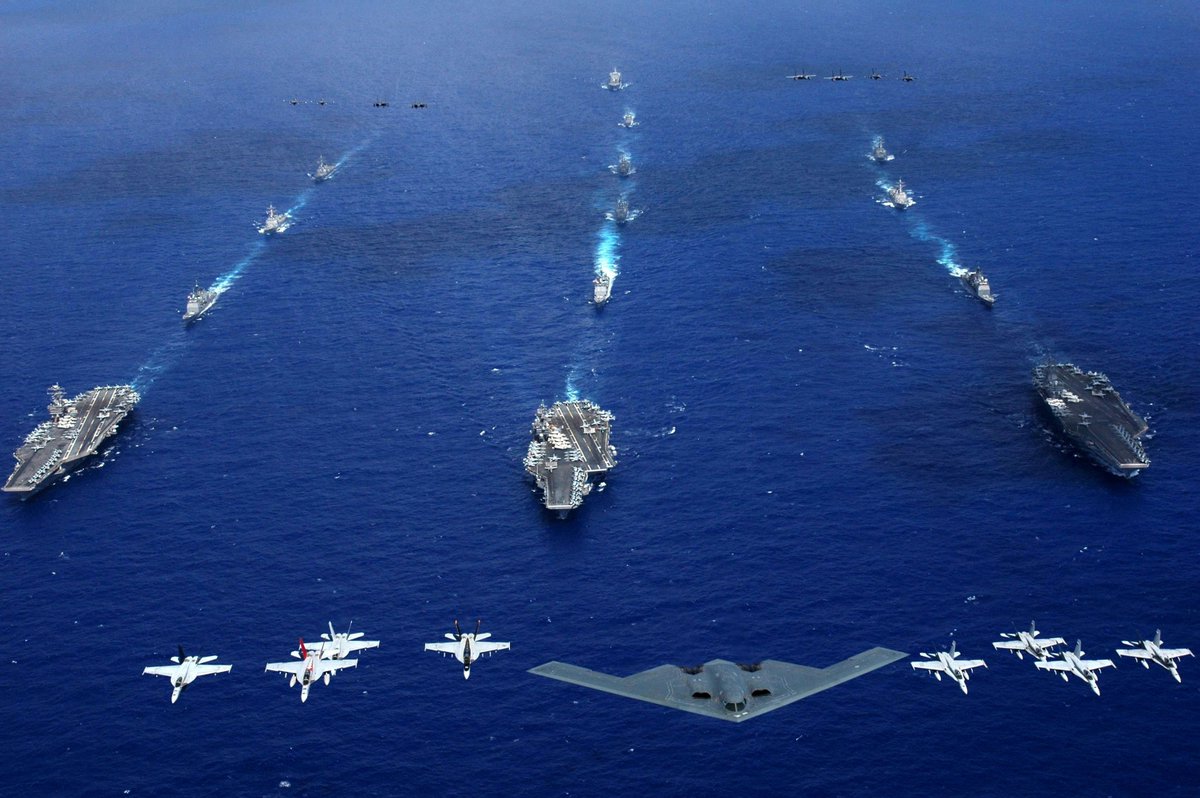
Top 20 Air Forces Dominating the Skies in 2025
1. United States Air Force
Leading the global hierarchy, the U.S. Air Force remains unmatched in technological advancement, operational reach, and combat readiness. Its extensive fleet features stealth fighters, bombers, transport aircraft, and drone technology, cementing its role as the most powerful aerial combat force in the world. The emphasis on innovative fifth-generation fighters like the F-35 Lightning II continues to shape its dominance.
2. United States Navy Air Forces
The U.S. Navy’s aviation branch not only supports maritime operations but also boasts some of the most advanced carrier-based aircraft, including the F/A-18 Super Hornet and emerging unmanned systems. Their capability to project power across oceans makes them a critical component of American military superiority.
3. Russian Air Force
Reemerging as a formidable power, Russia’s Air Force has modernized its fleet with upgraded Su-35 and Su-57 fighters. Strategic bomber patrols and a focus on electronic warfare have enhanced its ability to challenge allied aircraft and command the skies in regional conflicts.
4. United States Army Aviation
While traditionally ground-focused, the U.S. Army’s aviation division has expanded its role with advanced attack helicopters like the AH-64 Apache and reconnaissance drones, offering rapid deployment capabilities across varied terrains.
5. United States Marine Corps Aviation
Marines utilize a diverse mix of fighters, tiltrotor aircraft such as the V-22 Osprey, and rotary-wing aircraft, enabling rapid amphibious assaults and expeditionary operations. Their versatility maintains their position in the top-tier air power rankings.
6. Indian Air Force
India’s IAF continues to grow, emphasizing indigenous technology and modern fighter acquisitions like the Rafale. Expanding its fleet of stealth fighters and strategic transport aircraft, India aims to strengthen regional dominance and strategic deterrence.
7. Chinese Air Force
China’s PLA Air Force has rapidly modernized by acquiring advanced jet fighters such as the J-20 and J-16, increasing their operational range and stealth capabilities. Their investments in electronic warfare and missile technology make them a regional powerhouse.
8. Japanese Air Self-Defense Force
Japan maintains a highly modern, technologically advanced fleet consisting of F-35s, F-15Js, and early-warning aircraft, vital for its defense posture amid regional tensions. Their focus remains on rapid response and integration with allied forces.
9. Israeli Air Force
Renowned for its agility and tactical precision, Israel’s air force is equipped with F-35I Adirs and advanced drone technology. Its strategic importance lies in defending against regional threats and maintaining air superiority in the Middle East.
10. French Air and Space Force
France’s air force operates a blend of Rafale fighters, strategic transport, and reconnaissance aircraft. Their advanced technology and European alliance ties enhance collective security and regional influence.
11. UK Royal Air Force
The RAF leverages its Typhoon fighters and Aston Martin-supported surveillance systems. Its focus on quick deployment and NATO interoperability keeps it among the top European air forces.
12. South Korean Air Force
South Korea’s fleet comprises F-35s, F-15Ks, and indigenous fighters, emphasizing readiness against North Korean threats. Their focus is on rapid deployment and missile defense integration.
13. Italian Air Force
Italy maintains an agile fleet with multi-role Eurofighter Typhoons and regional peacekeeping commitments, supporting NATO’s eastern flank and participating in global missions.
14. Australian Air Force
Australia’s aerial capabilities include F/A-18 Super Hornets, E-7 Wedgetails, and advanced surveillance drones. Their strategic location enhances their role in the Indo-Pacific region.
15. Chinese Navy Aviation
The naval air wing has expanded markedly, with carrier-based fighters and attack aircraft, supporting China’s growing blue-water navy ambitions. Their aircraft operate from the latest aircraft carriers, emphasizing projected maritime power.
16. Brazilian Air Force
Brazil’s fleet includes the Gripen E fighters and old but updated strategic aircraft, focusing on regional security and defense modernization initiatives amid regional tensions.
17. Saudi Air Force
Saudi Arabia’s air power features advanced F-15s and Tornado fighters, playing a key role in regional security alliances and protecting vital energy assets.
18. Pakistani Air Force
Pakistan’s Air Force emphasizes multi-role fighters like the JF-17 Thunder and strategic strike capabilities. It maintains a focus on regional deterrence and modernization efforts driven by geopolitical dynamics.
19. German Air Force
Germany’s Luftwaffe operates Eurofighter Typhoons with upgrades in radar and missile technology, emphasizing NATO responsibilities and homeland defense.
20. French Navy Aviation
Specializing in maritime surveillance and carrier operations, France’s naval aviation complements their amphibious and maritime defense strategy with cutting-edge aircraft and drone integration.
The global aerial landscape continues to evolve rapidly in 2025, shaped by technological innovations, geopolitical shifts, and strategic priorities. Countries worldwide are investing heavily in modernizing their air forces to maintain or establish dominance in the skies, reflecting the importance of air power in contemporary warfare.
 ChatGPT
 Perplexity
 Gemini AI
 Grok AI