Select Language:
Malaysia’s Passport Power: A Tale of Rising and Falling Rankings (2006-2026)
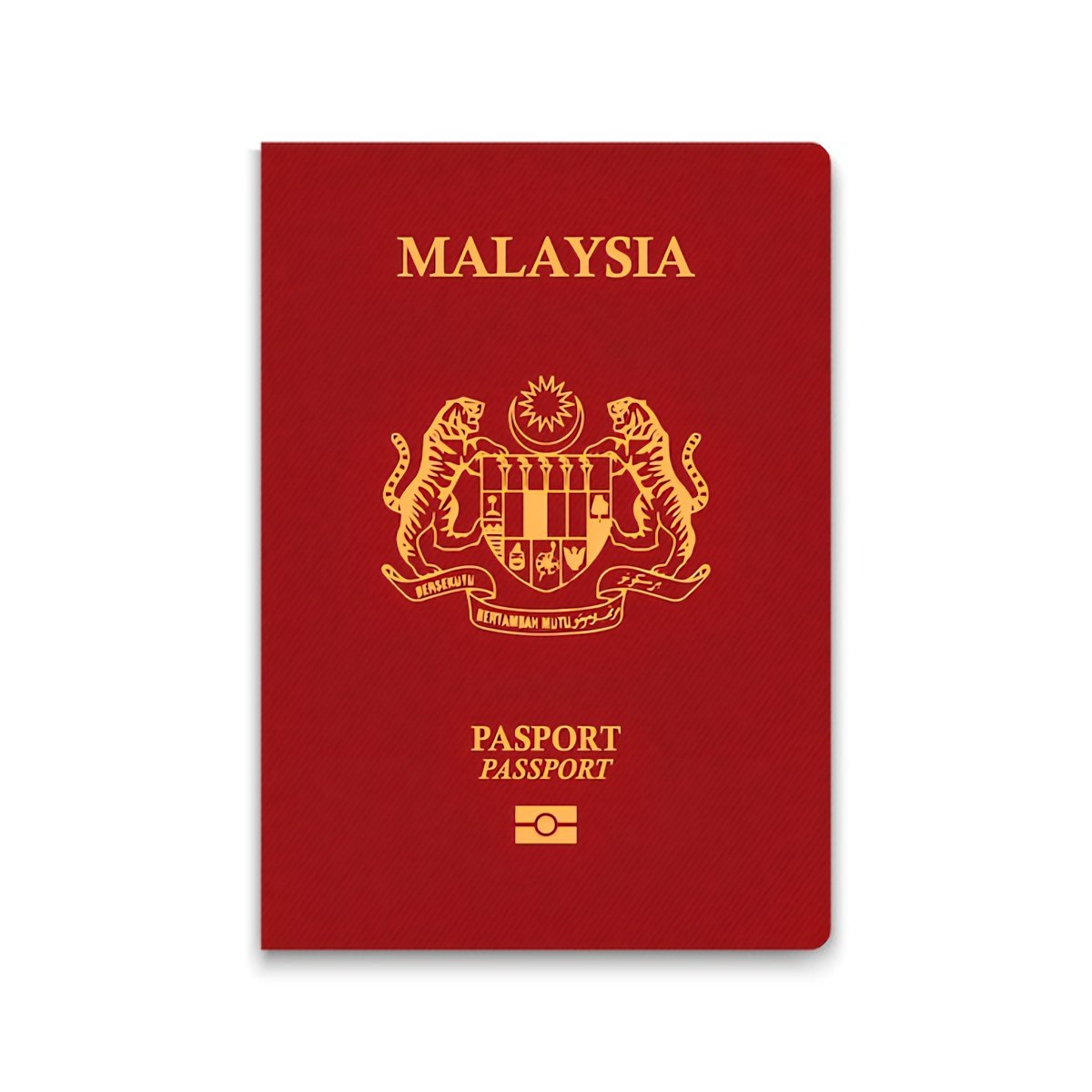
Malaysia’s Passport Journey: A Decade of Fluctuations
Over the past two decades, Malaysia’s passport has experienced significant shifts in its global ranking, reflecting the country’s evolving diplomatic relations and visa policies. From a stable position in the top 10 to a dip in the early 2020s, the latest 2026 figures reveal an impressive leap forward, signaling renewed international confidence.
1. Trusted Beginnings: Malaysia’s Early Standout (2006-2013)
In 2006 and 2013, Malaysia held a steady 9th place in the global passport power rankings. During this period, Malaysian travelers enjoyed relatively broad access without cumbersome visa requirements, positioning the nation as a strong passport holder in Southeast Asia. This consistency underscored Malaysia’s strategic diplomatic relationships and global perceptions as a nation open to international travel.
2. A Slight Drop: A Downward Trend Emerges (2014-2019)
The years following saw some fluctuations. By 2014, Malaysia’s ranking slipped to 8th, indicating minor setbacks but still maintaining a position within the top 10. However, by 2019, the passport’s rank had dropped to around 11th, a sign of changing geopolitical landscapes or visa policies tightening for Malaysian passport holders. This period reflected increased scrutiny at various international borders and some limitations on travel freedoms.
3. Steady Decline: Facing Challenges in the Early 2020s
The trend of decline persisted into the early 2020s:
- In 2022, Malaysia was ranked 13th, marking a notable dip as global border controls tightened amidst the ongoing pandemic recovery.
- By 2023, the rank slightly improved to 11th but faced regression in 2024, where it settled at 12th. These fluctuations indicated ongoing constraints affecting Malaysian passport strength and international mobility.
Despite these challenges, the Malaysian government continued diplomatic efforts to restore and enhance passport privileges for its citizens.
4. Unexpected Rally: The 2026 Breakthrough
Remarkably, 2026 marked a turning point as Malaysia soared to the 6th spot globally—a remarkable leap from previous years. This impressive climb signifies successful diplomatic negotiations, policy reforms, and possibly the signing of new bilateral agreements that facilitated easier border crossings and expanded visa-free access worldwide.
This jump not only reflects improved international trust but also underscores Malaysia’s strategic focus on strengthening its diplomatic ties and greenlighting policies that benefit travelers.
5. The Significance of the 2026 Rise
The leap to the 6th position is a testament to Malaysia’s diplomatic resilience and strategic diplomacy. For Malaysian passport holders, this means easier travel options, fewer visa hurdles, and greater access to top international destinations—an essential factor for business, tourism, and personal mobility.
This rise may influence government policies moving forward, emphasizing ongoing efforts to maintain and improve Malaysia’s global rank and enhance the convenience for its citizens.
6. What the Future Holds
While the latest 2026 data show a promising trajectory, sustaining this momentum will require persistent diplomatic engagement and adaptive visa policies. As the world navigates geopolitical shifts and global health concerns, Malaysia’s diplomatic strategy could serve as a blueprint for maintaining strong passport rankings in the future.
Summary
Malaysia’s passport journey is a story of resilience, setbacks, and a dramatic comeback. From holding the 9th position in 2006 and 2013 to falling to 13th in 2022, the nation’s passport power experienced ups and downs over two decades. Yet, the significant leap to 6th in 2026 signifies a renewed sense of confidence and international standing, promising brighter mobility prospects for Malaysians in the years ahead.
 ChatGPT
 Perplexity
 Gemini AI
 Grok AI