Select Language:
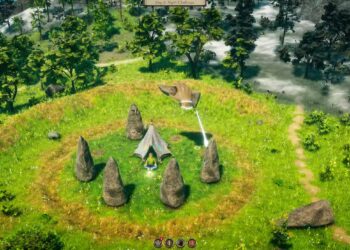
Masters of Albion throws you into a medieval fantasy world where your task is to build a thriving settlement and defend it from nonstop waves of undead enemies each night. Managing construction, resources, and combat preparedness during the day and night can seem tough at first, especially since the game doesn’t always clearly explain all the systems.
Luckily, many of its mechanics are more forgiving than they first appear. Learning a few key tips early on can greatly improve how smoothly your first few hours go. Here’s what you should know before night arrives.
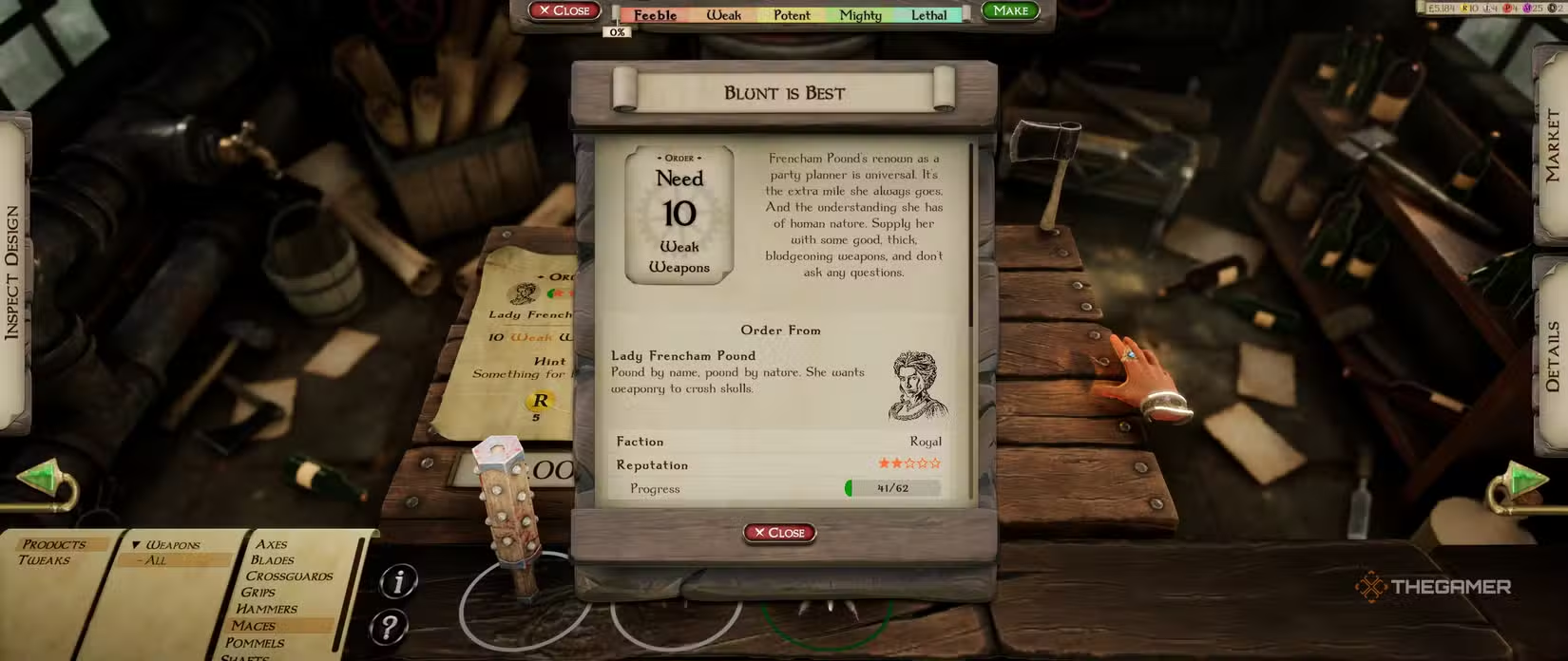
Orders are your primary way to earn money. It’s crucial to fulfill the specific requests from customers. Initially, the order sheet gives vague descriptions—like “Something for bashing” from the weaponsmith. But clicking on the order sheet provides more details about what exactly the customer wants. This is especially important for food orders since you’ll unlock more ingredients over time, and the orders can become more detailed and sometimes odd.
Heroes gain experience by fighting during night invasions, but you don’t have to wait for enemies to attack in order for them to level up. During the day, you can place Heroes in the Hero’s Guild for training. It’s a slow process, but since days are long, leaving heroes idle means missing out on free progression. Make it a habit to check their training status regularly, and feel free to stop healing during this time.
While it might be tempting to improve your settlement’s appearance early on, resist prioritizing aesthetics until your foundation is solid. Buildings have slots for decorative pieces, but filling those spaces reduces room for workstations, which keep your town functioning. Save beautification for later, once you have enough resources and space.
As you progress, lookout for undead enemies carrying lit bombs on their backs—they’re more dangerous than they seem. A single damage point from your lightning bolt spell can trigger one of these bombs instantly, so use it promptly to prevent explosions near your buildings or villagers. The spell costs very little mana and is an efficient way to handle this threat.
Before starting a night, always check the notification at the top of your screen to see what enemies you’ll be facing. Proper preparation includes positioning your Heroes and defenses strategically. Some nights involve more than just waves of enemies; they may require you to protect moving pilgrims or complete specific objectives. Going in unprepared can be costly.
When you get crafting weapons and armor, the materials initially only allow for the lowest-tier gear—such as basic daggers and rough clothing. Always remember, even the worst gear gives your Heroes a noticeable stat boost. Getting your heroes equipped early pays off quickly.
Don’t rush the process. You’re not under pressure to trigger the next night before you’re ready. Use the day to build your town, level up your heroes, and complete quests at a comfortable pace. But don’t ignore your daily objectives entirely—there’s plenty to do between missions. Making good use of daytime helps develop a well-prepared settlement rather than rushing in last minute.
Turrets can be moved freely at any time, including during an invasion. This feature is easy to overlook but makes turrets much more valuable than fixed defenses. If a weak spot appears or a hero gets overwhelmed, you can drag a turret to reinforce that position. Think of them as flexible tools instead of permanent fixtures.
When you first unlock crafting, you might only have access to basic gear like simple weapons and rough clothing. Don’t be discouraged; even low-tier equipment provides meaningful improvements. Upgrading your heroes early ensures they perform better in battles and helps your settlement thrive.
 ChatGPT
 Perplexity
 Gemini AI
 Grok AI