
Select Language:
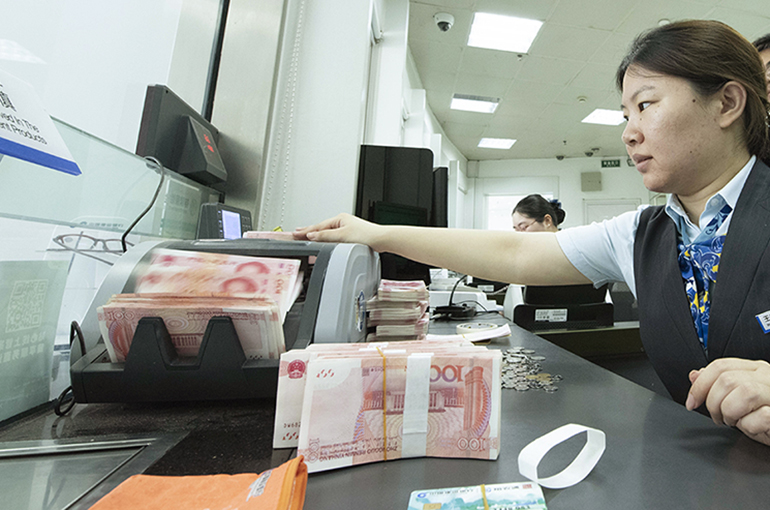
Household deposits in China saw a significant outflow from banks during the first quarter. Unlike previous trends where these funds typically moved into wealth management products, the market did not absorb the cash this time and instead contracted, highlighting growing pressure from declining yields and increased market volatility.
During the first three months, household deposits rose by approximately 7.68 trillion yuan (around 1.13 trillion USD), which is 1.54 trillion yuan less than the same period last year. Meanwhile, deposits held by non-bank financial institutions increased by 2.03 trillion yuan, up 1.72 trillion yuan from the previous year, according to data from the central bank. This shift suggests a reorganization of household assets, though not primarily into wealth management offerings as seen in the past.
The overall value of wealth management products dropped to about 32 trillion yuan (roughly 4.69 trillion USD) by the end of March, marking a decrease of 1.3 trillion yuan from both the previous month and the previous quarter, estimates from Huayuan Securities show.
A key factor behind this trend is that banks, at the end of the first quarter, faced increased pressure to boost deposit levels, prompting a movement of funds back into parent banks from wealth management portfolios. This was compounded by other influences, such as a diversion of capital and regulatory demands.
Looking forward, the outlook for the wealth management sector appears limited in the near term, mainly due to persistently low interest rates and rising volatility in stock markets.
A representative from a wealth management firm explained, “Interest rates remain low, which limits the potential for higher returns on assets. Meanwhile, stock market volatility has increased, adding uncertainty to linked products. Additionally, factors like the quarter-end assessment processes could cause short-term disruptions.”
The yields on wealth management products have deteriorated sharply this year. Data from PY Standard indicates that the average annualized return declined from 3.72% in January to 2.96% in February, and then to just 2.26% in March. Experts attribute this decline to the persistently low interest rate environment suppressing traditional fixed-income yields and heightened market volatility triggering net value declines during the broader global asset adjustments in March.
More importantly, industry insiders suggest this trend signals a fundamental shift in how households allocate their assets. Wealth management products are no longer the main destination for funds leaving bank deposits, and their role in household portfolios may be entering a period of adjustment.
 ChatGPT
 Perplexity
 Gemini AI
 Grok AI