Select Language:
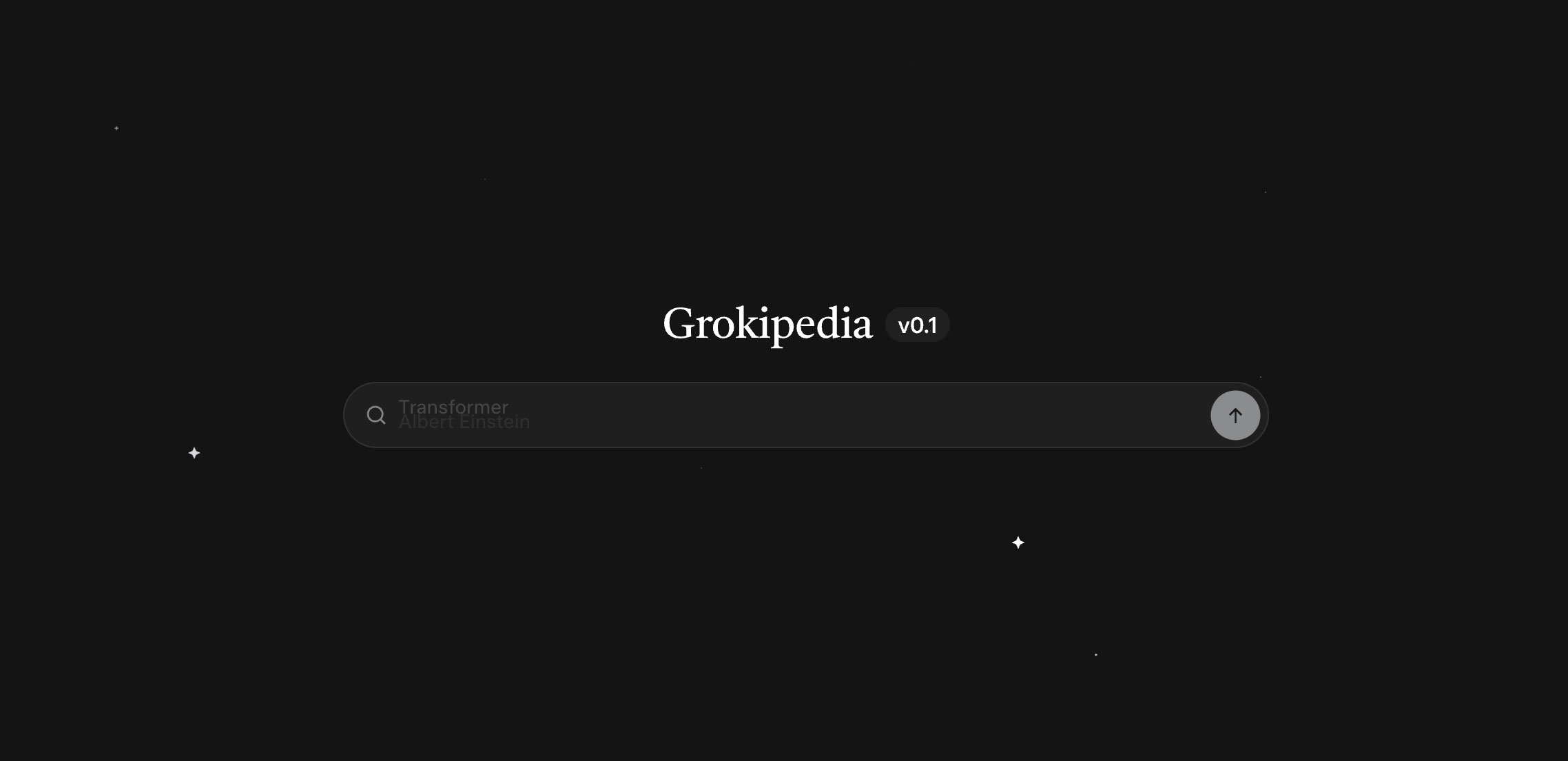
Grokipedia is a newly launched online encyclopedia powered entirely by artificial intelligence, debuting just a week ago with more than 800,000 AI-generated pages. Both Google and Bing have already indexed hundreds, if not thousands, of these pages. The platform officially went live on October 27, 2025, and is currently at version 0.1 with approximately 885,279 pages. In comparison, Wikipedia, the human-curated online encyclopedia, contains over 7 million entries. Given that Grokipedia’s content is generated by AI, its growth is expected to accelerate rapidly.
Within just a week of its launch, search engines have already begun indexing its content extensively. Google has indexed over 400 pages from Grokipedia, while Bing appears to have also indexed a similar number, although Bing no longer publicly displays the exact count. Despite the current limited visibility, the number of indexed pages is growing steadily, indicating significant interest from search engines.
Industry experts have begun discussing the implications of this rapid indexing. One commentator noted that Grokipedia’s launch with such a vast amount of AI-created content has attracted Google’s attention, even amid recent crackdowns on scaled content abuse, which have caused manual penalties for sites with similar content levels. Early reports suggest that the site has only a handful of search results and a small number of links, but the scale of its content is noteworthy.
Observations also highlight that initial search visibility is limited, with only a few dozen URLs appearing in search results and some confusion in search engine suggestions, with Google sometimes misidentifying Grokipedia as Wikipedia. Over time, as the platform develops and more pages are indexed, it will be interesting to see how search rankings and visibility evolve.
Discussions and updates are ongoing across online forums, with industry professionals monitoring how search engines respond to this large, AI-generated content repository and what impact it might have on the broader SEO landscape.
 ChatGPT
 Perplexity
 Gemini AI
 Grok AI