Select Language:
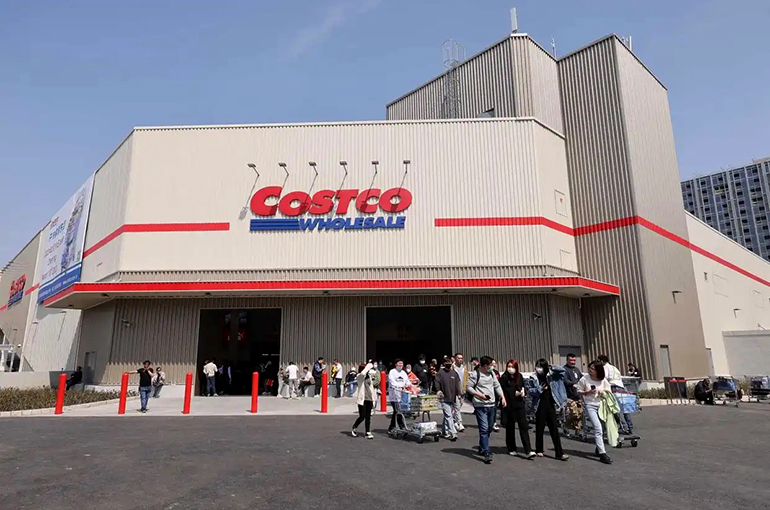
Costco Beijing International Business Development is currently negotiating with Costco China Investment regarding their trademark dispute, a representative from Costco Beijing confirmed today. They believe a resolution is likely and that they will continue expanding in the Chinese market.
The disagreement started in April when Costco China released a statement claiming that the registered trademark “Costco” was being misused. They identified Costco Beijing as one of the responsible parties and accused it of spreading false information and misleading consumers.
In response, Costco Beijing filed a civil lawsuit against Costco China at the end of April, alleging that Costco China’s false claims had severely damaged its reputation, business credibility, and operations.
Both companies are backed by shareholders listed as Costco Wholesale International, which are registered as independent legal entities in the states of New York and Nevada. However, according to business information platform Qichacha, the registered address for the shareholder of Costco China has changed from Nevada to New York.
A representative from Costco Beijing stated that the case has now entered the judicial process and that the two sides are in negotiations. They did not wish to disclose further details.
The spokesperson emphasized that the Chinese market offers significant growth potential, especially since membership models are the most profitable in physical retail. The company remains committed to opening new stores in China, although whether they retain the “Costco” brand name will depend on the outcome of ongoing negotiations. As of now, Costco China has not issued any response.
Previously, Costco Beijing announced plans to open stores in six major Chinese cities: Beijing, Chengdu, Guangzhou, Hefei, Tianjin, and Wuhan. However, this information has been removed from their official platform, and Costco China has also deleted the statement released in April.
Retail analyst Shen Jun noted that regardless of how the dispute is resolved, big-box retail will continue to be a competitive arena for traditional retailers. Aside from prominent brands like Costco and Walmart’s Sam’s Club, new entrants are expected to emerge. The heightened competition will challenge brands’ supply chain management and product development capabilities, Shen added.
 ChatGPT
 Perplexity
 Gemini AI
 Grok AI