Select Language:
The Top 10 Countries with the Most Valuable Natural Resources in 2025
Russia Ranks as the Richest in Natural Resources Ecosystem
Russia maintains its position as the world’s most resource-rich country, with an estimated natural resource value of approximately $75 trillion. Its vast expanse spans the Northern Hemisphere, hosting abundant reserves of oil, natural gas, coal, minerals, and timber. Russia’s wealth stems from its extensive Siberian oil fields and mineral deposits, which continue to boost its economic standing globally.
United States Continues to Dominate with a $45 Trillion Reserve
The United States holds the second spot, boasting a resource value near $45 trillion. American reserves include significant quantities of oil, natural gas, coal, and minerals like gold and copper. The U.S. leverages advanced extraction technologies and a vast domestic market, ensuring the country maintains its energy and resource independence.
Saudi Arabia’s Oil Reserves Bolster its Trillion-Dollar Economy
Saudi Arabia ranks third with an estimated resource value of $34.4 trillion, primarily driven by its vast oil reserves. As a leading oil exporter, Saudi Arabia’s economic health is heavily tied to its hydrocarbon wealth. Its government continues to diversify, investing in renewable energy and tourism.
Canada’s Rich Tapestry of Natural Wealth
Canada is fourth on the list, with asset estimates around $33.2 trillion. The country is a global leader in minerals, including nickel, zinc, and uranium, alongside substantial oil sands and forests. Canada’s resource wealth fuels its exports and supports a high standard of living.
Iran’s Substantial Oil and Gas Reserves
Iran rounds out the top five, with approximately $27.3 trillion in natural resource value. Despite international sanctions, Iran’s oil and gas reserves remain significant, underpinning its economy. Recent efforts have focused on increasing extraction efficiency and seeking new development partnerships.
[Insert Image]
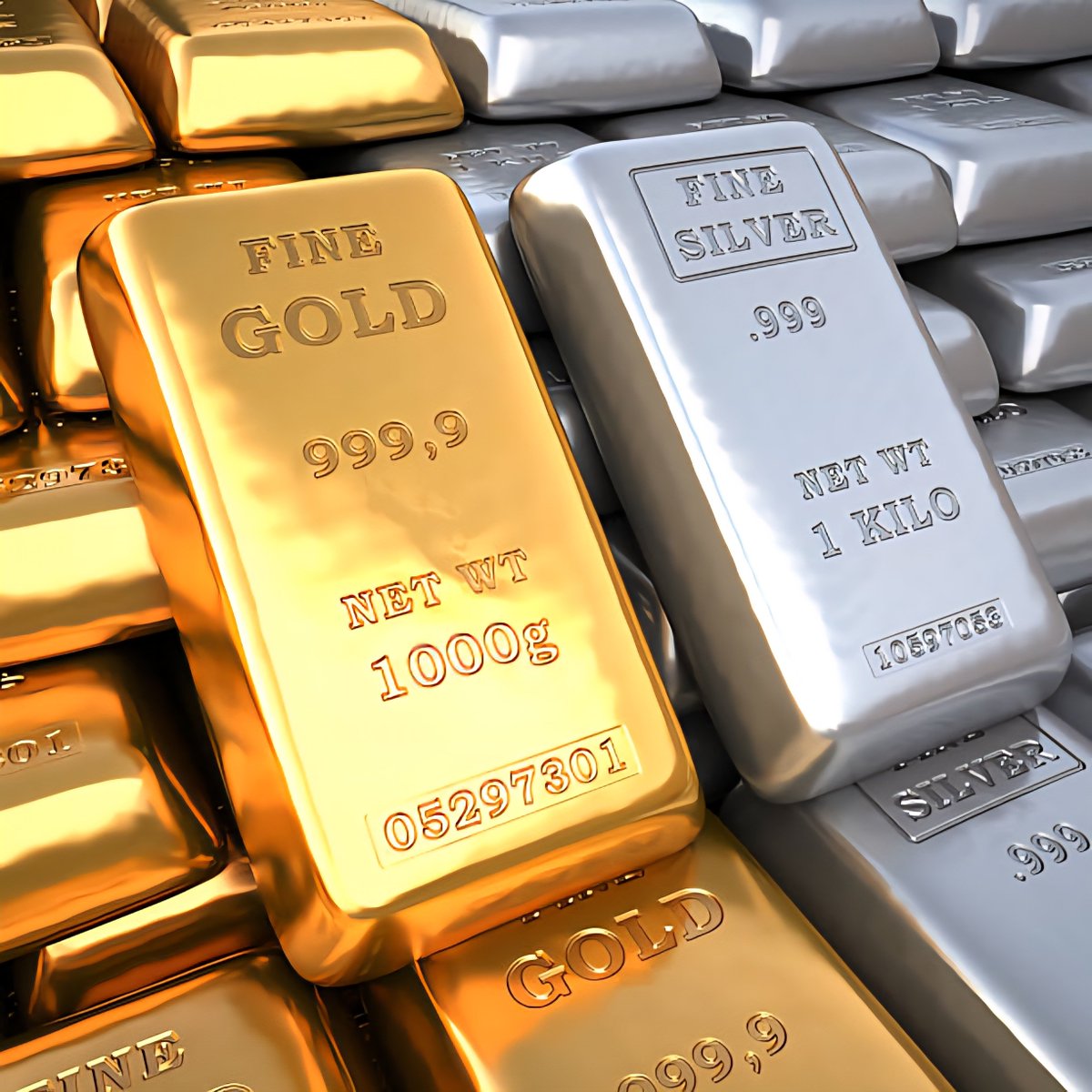
The world’s most resource-abundant nations hold trillions of dollars in natural reserves, shaping geopolitical and economic landscapes worldwide.
Other Notable Countries in the Top 50
- Democratic Republic of the Congo ($24 trillion): Rich in minerals like coltan, cobalt, and diamonds, vital for electronics and jewelry.
- China ($23 trillion): A leading producer of rare earth elements, minerals, and energy resources supporting its manufacturing sector.
- Brazil ($21.8 trillion): Known for vast timber, iron ore, and agricultural resources fueling its export economy.
- Australia ($19.9 trillion): Major exporter of coal, iron ore, and gold, leveraging its extensive mineral deposits.
- Iraq ($15.9 trillion): Its oil reserves are among the world’s largest, heavily influencing regional stability and global markets.
Emerging Reserves and Their Global Impact
Countries like Venezuela (~$14.3 trillion), Kazakhstan ($12 trillion), and Norway (~$11 trillion) showcase the diversity of resource wealth, from oil and gas to minerals and renewable energy potential. These nations are increasingly investing in sustainable extraction methods and diversifying economies.
Reserves and Future Trends
While the resource valuations provide a snapshot of the current global landscape, ongoing exploration, technological advancements, and geopolitical shifts are likely to influence these figures. Countries investing in renewable resources and sustainable practices are poised to redefine their economic strength beyond traditional hydrocarbons.
Conclusion
Natural resource wealth continues to be a significant determinant of national power and economic stability in 2025. While some countries lean heavily on fossil fuels, others are diversifying into minerals, timber, and renewable energy sources. As global energy demands evolve, these resource-rich nations will remain key players on the geopolitical stage.
Sources: World Bank, IMF, U.S. EIA, BP Statistical Review, OPEC, CIA World Factbook, Visual Capitalist, Statista, and other reliable references.
 ChatGPT
 Perplexity
 Gemini AI
 Grok AI