• About Us
  • Contact Us
  • Advertise
  • Privacy Policy
  • Guest Post
No Result
View All Result
Digital Phablet
  • Home
  • NewsLatest
  • Technology
    • Education Tech
    • Home Tech
    • Office Tech
    • Fintech
    • Digital Marketing
  • Social Media
  • Gaming
  • Smartphones
  • AI
  • Reviews
  • Interesting
  • How To
  • Home
  • NewsLatest
  • Technology
    • Education Tech
    • Home Tech
    • Office Tech
    • Fintech
    • Digital Marketing
  • Social Media
  • Gaming
  • Smartphones
  • AI
  • Reviews
  • Interesting
  • How To
No Result
View All Result
Digital Phablet
No Result
View All Result

Home » Scientists Find AI Language Models Still Struggle to Tell Beliefs from Facts

Scientists Find AI Language Models Still Struggle to Tell Beliefs from Facts

Seok Chen by Seok Chen
November 7, 2025
in AI
Reading Time: 1 min read
A A
ADVERTISEMENT

Select Language:

Scientists have recently revealed a significant challenge facing the development of advanced AI systems: the difficulty they encounter in differentiating between “beliefs” and factual information. Despite remarkable progress in natural language processing and machine learning, researchers have found that large-scale AI language models still struggle to distinguish what is genuinely true from what might be a widely held assumption or subjective opinion.

ADVERTISEMENT

This ongoing issue highlights a fundamental limitation in current artificial intelligence technology. While these models can generate human-like text and answer questions based on vast amounts of data, they often lack the nuanced understanding necessary to verify the accuracy or authenticity of that information. As a result, AI systems might confidently present statements that are technically beliefs, opinions, or outdated facts, rather than current or verified truths.

Experts emphasize that this gap underscores the importance of developing better ways for AI to assess the credibility of information. Without improvements, there remains a risk that AI could inadvertently spread misinformation or reinforce misconceptions, especially as these models become more integrated into everyday decision-making processes.

In response, researchers are calling for more sophisticated methods of training and evaluating AI models, aiming to imbue them with a clearer sense of the difference between what is believed and what is factually established. Such advancements could be pivotal in making AI tools more reliable and trustworthy sources of information in the future.

ChatGPT ChatGPT Perplexity AI Perplexity Gemini AI Logo Gemini AI Grok AI Logo Grok AI
Google Banner
ADVERTISEMENT
Seok Chen

Seok Chen

Seok Chen is a mass communication graduate from the City University of Hong Kong.

Related Posts

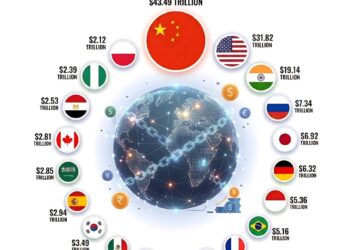
World's Top 20 Biggest Economies in 2026

1.  China - $43.49 Trillion
2.  United
Infotainment

Top 20 Biggest Economies in the World in 2026

April 23, 2026
News

Sources: US Navy Secretary Phelan Has Been Dismissed

April 23, 2026
AI

Auto Travel AI Agent Launches to Understand User’s Fuzzy and Emotional Speech

April 23, 2026
GE Healthcare Launches First Lights-Out CT Detector Line in Beijing
Business

GE Healthcare Launches First Lights-Out CT Detector Line in Beijing

April 23, 2026
Next Post
How Do Markets Work in Europa Universalis 5 While Completing and Solving?

How Do Markets Work in Europa Universalis 5 While Completing and Solving?

  • About Us
  • Contact Us
  • Advertise
  • Privacy Policy
  • Guest Post

© 2026 Digital Phablet

No Result
View All Result
  • Home
  • News
  • Technology
    • Education Tech
    • Home Tech
    • Office Tech
    • Fintech
    • Digital Marketing
  • Social Media
  • Gaming
  • Smartphones

© 2026 Digital Phablet