Select Language:
On May 30th, several key government agencies, including the Ministry of Industry and Information Technology, the State Administration for Market Regulation, and the Ministry of Commerce, jointly announced the release of a series of national standards for the classification of artificial intelligence (AI) capabilities in terminal devices. This marks a significant milestone as China’s first unified framework to categorize AI functionality across seven types of products, including smartphones, personal computers, televisions, and automotive cabins. The initiative signifies a shift from a previously chaotic landscape where AI devices varied widely in capabilities to a more regulated, standardized industry.
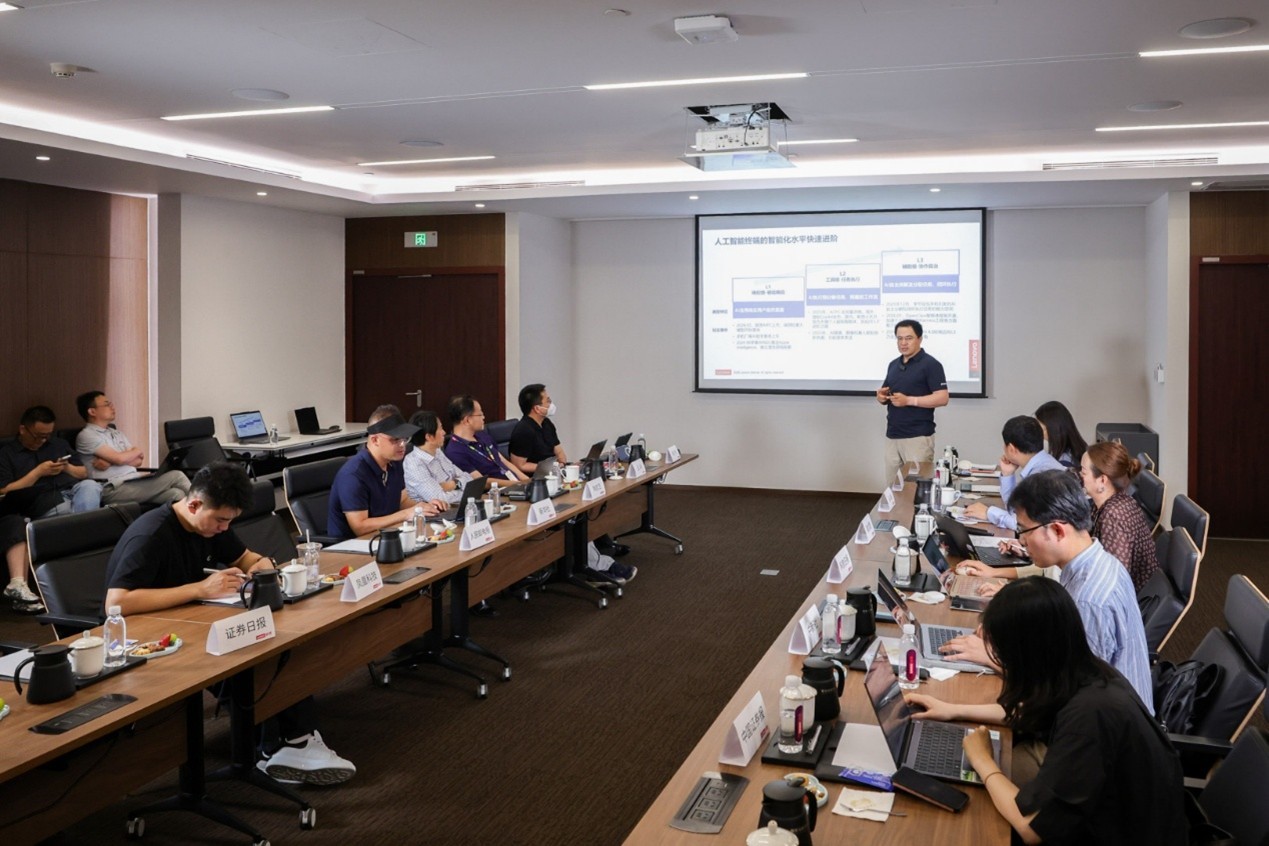
The standards, unveiled during a workshop in Beijing on May 29th, employ a “2+N” architecture—combining a unified reference framework with differentiated requirements tailored to each device type. The evaluation approach emphasizes real-world scenarios, such as reordering lunch via food delivery apps, to comprehensively assess a device’s sensing, cognition, and multi-step task execution skills. Consumers will soon be able to compare AI performance levels in devices much like they compare energy efficiency ratings, gaining clearer insight into a product’s actual AI capabilities.
Lenovo, a key participant in developing these standards, explained that their latest AI-integrated products—such as AI PCs, smartphones, and tablets—are now outfitted with the Tianxi AI 4.0 personal superintelligence system. These devices boast advanced features like layered biomimetic memory and autonomous long-term task planning, and they currently meet the country’s L3 (assistance level) intelligent standard. To support more complex AI operations, Lenovo has also introduced specialized AI servers capable of running large-scale models with hundreds of billions of parameters around the clock, aligning with the new national standards’ emphasis on product innovation.
Lu Zhiming, Lenovo’s chief standards officer, shared details about their involvement in the process, revealing that the company submitted initial proposals at the end of 2023. Over thirty experts contributed to more than ten rounds of development, and Lenovo tested over eighty devices to ensure they met the certification criteria. Currently, more than twenty terminal products have successfully passed testing and received certification.
Lenovo’s Vice President, Abulike Mamu, highlighted the importance of the new standards in providing a clear pathway for industry advancement and preventing the market from falling into a cycle of low-quality competition. He emphasized Lenovo’s plan to promote a balanced “80% on-device + 20% cloud” architecture that synergizes edge and cloud AI, encouraging product upgrades across their entire portfolio and fostering collaborative growth within the industry. The company also aims to accelerate the international adoption of Chinese standards by aligning with global industry trends.
 ChatGPT
 Perplexity
 Gemini AI
 Grok AI