

Select Language:
Tech companies are investing billions in satellite internet, and Amazon is now expanding its reach by integrating Globalstar’s satellites into its network. On April 28, 2025, a United Launch Alliance Atlas V rocket successfully launched Amazon’s Project Kuiper satellites from Cape Canaveral Space Force Station in Florida.
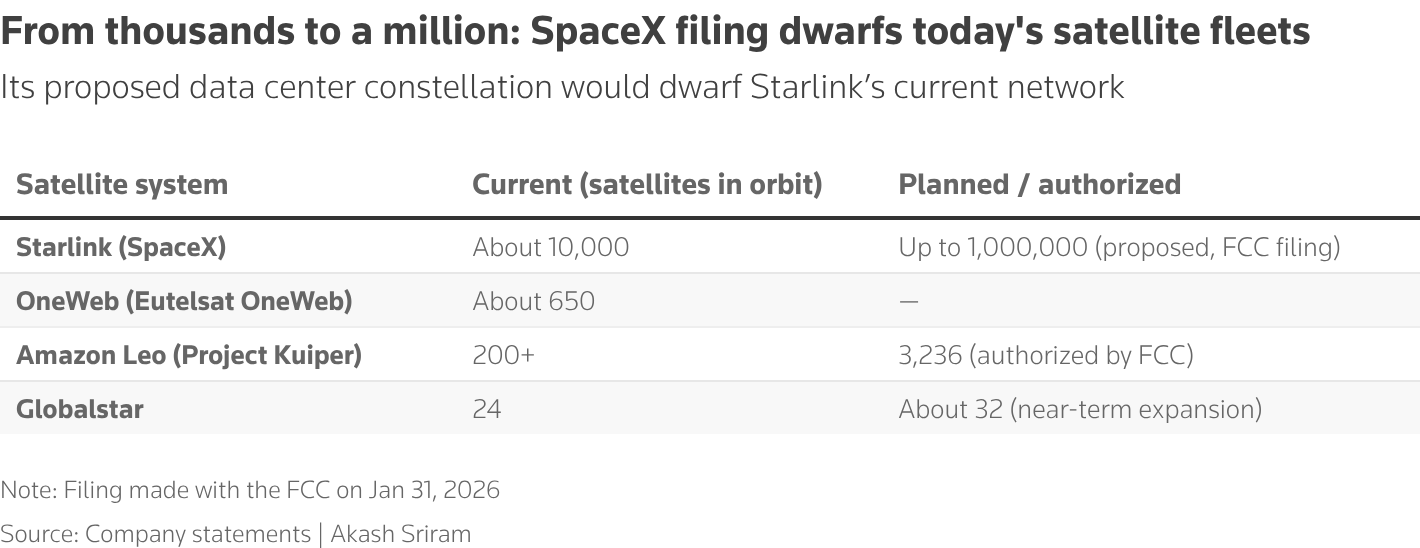
Amazon announced on Tuesday that it would acquire Globalstar for $11.57 billion, strengthening its emerging satellite division as it aims to close the gap with Elon Musk’s Starlink. While many tech giants are pouring vast amounts of capital into satellite-based connectivity, matching Starlink’s network of over 10,000 satellites remains a challenge. This acquisition adds approximately two dozen Globalstar satellites to Amazon’s existing fleet of more than 200.
Amazon plans to rapidly expand its satellite network, aiming to deploy around 3,200 satellites into Earth’s low orbit by 2029, with roughly half of these in place by a July regulatory deadline. The company is preparing to launch its satellite internet services later this year.
Globalstar’s satellite system specializes in providing reliable, low-data connections directly to mobile devices, known as Direct-to-Device (D2D) technology. This system eliminates the need for devices to connect to ground-based cellular towers, making it critical for emergency services and connectivity in areas with limited cellular coverage.
The deal is expected to enable Amazon to deploy D2D technology starting in 2028, according to company statements. Currently, Starlink serves over nine million users worldwide and offers high-speed broadband via user terminals. SpaceX is also developing D2D capabilities through partnerships with telecom operators like T-Mobile.
“Amazon has been lagging behind Starlink in satellite broadband. Acquiring Globalstar allows them to improve their D2D spectrum position and accelerate D2D deployment,” said Armand Musey, president and founder of Summit Ridge Group.
Following the announcement, shares of Globalstar surged over 9% in early trading, after a 6% gain over the past two weeks amid media reports of talks. Amazon’s stock increased by 2.5%.
SpaceX remains dominant in this sector, with Starlink contributing approximately 50% to 80% of SpaceX’s revenue. The company has been rapidly deploying satellites, launching dozens at a time to build the world’s most extensive satellite constellation.
“There’s ongoing consolidation in the satellite industry as companies strive to compete with SpaceX’s scale and virtually unlimited launch capacity. I expect this trend to continue,” said Austin Moeller, director of equity research at Canaccord Genuity.
Under the terms of Amazon’s deal, Globalstar shareholders can choose to receive either $90 in cash or 0.3210 shares of Amazon stock for each Globalstar share they own. This represents a premium of over 31% compared to Globalstar’s closing price on April 1, the day before news of the deal broke. The deal is expected to close next year, pending regulatory approval and the achievement of certain deployment milestones by Globalstar.
The U.S. Federal Communications Commission (FCC) also needs to approve the acquisition. FCC Chair Brendan Carr remarked, “We are very open-minded about the Amazon-Globalstar deal.”
Late last year, Globalstar revealed that a new satellite network backed by Apple would expand from about two dozen satellites to 54, including some backups. Apple invested approximately $1.5 billion into Globalstar in 2024, with plans to continue supporting satellite-based features like Emergency SOS and Find My for iPhone and Apple Watch users.
 ChatGPT
 Perplexity
 Gemini AI
 Grok AI

