
Select Language:
The worldwide smartphone market experienced a decline of over 4% in the first quarter of this year, breaking a 2.5-year streak of continuous growth, according to a recent market analysis report.
The situation is projected to worsen due to an escalating shortage of memory chips, but Apple’s strategic approach appears to be producing positive results.
With most of the industry operating on slim profit margins, manufacturers are often forced to transfer rising costs to consumers amid surging component prices—sometimes doubling or tripling in cost. These increased expenses have largely contributed to halting the sustained growth observed over the past couple of years.
Research from IDC indicates that global smartphone shipments dropped by 4.1% compared to the previous year in the first quarter, and this downward trend is expected to continue.
A prominent industry insider noted that the smartphone sector is going through one of its most challenging phases yet, driven by severe constraints in memory supply that are directly affecting both shipment volumes and consumer demand. Limited memory availability has prompted manufacturers to reduce shipment numbers, while the sharply increased memory prices are causing many well-known brands to raise their prices. In some emerging markets, prices have soared as much as 40–50%, significantly dampening demand. The 4% decline is just a glimpse of what’s on the horizon as memory shortages worsen on all fronts.
Meanwhile, IDC reports that both Apple and Samsung have more room to maneuver financially with their premium devices, allowing them to hold their prices steady and thus favoring continued demand. Both companies have reported modest growth in their shipment figures: Samsung grew by 3.6% year-over-year, and Apple by 3.3%.
However, recent developments have challenged this outlook. Samsung announced a price increase on several of its flagship devices—including the Galaxy Z Flip 7, Galaxy S25 Edge, and Galaxy S25 FE—as well as most of its current tablet lineup. Price hikes on higher-capacity variants range from $40 to $80, although the starting prices for the top-tier models remain unchanged.
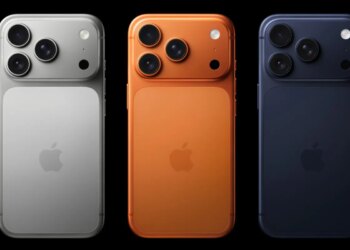
This pattern could position Apple as the sole major smartphone manufacturer to maintain stable pricing, potentially sustaining its growth while the rest of the market contracts.
 ChatGPT
 Perplexity
 Gemini AI
 Grok AI