
Select Language:
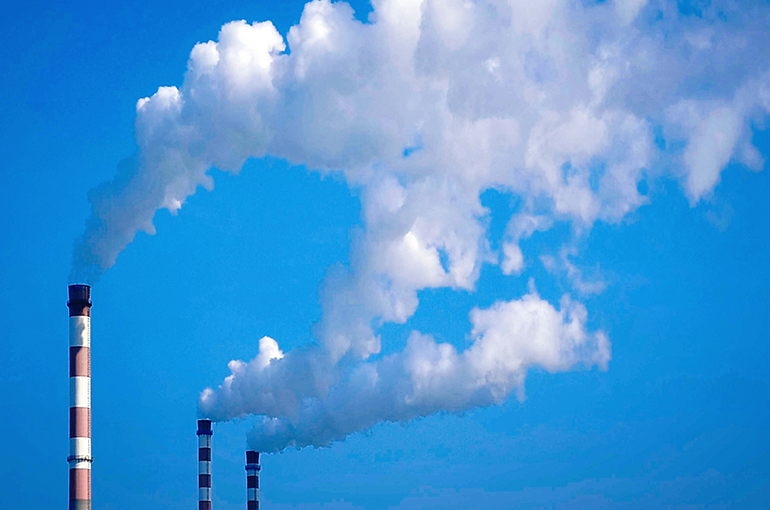
The Yangtze River Delta region, covering Shanghai and the provinces of Anhui, Jiangsu, and Zhejiang, has developed a comprehensive plan for air pollution control over the next three years. The strategy focuses on increasing green energy supply and shifting towards cleaner coal-fired power generation, boilers, and kilns.
This initiative was announced by an official from the Shanghai Municipal Bureau of Ecology and Environment during the recent Yangtze River Delta Regional Air Pollution Control Conference held in Shanghai. The plan emphasizes accelerating the elimination of China IV standard diesel trucks in the areas around Taihu Lake and Hangzhou Bay, while promoting the adoption of new energy heavy-duty trucks. Additionally, it advocates for the development of greener port operations and shipping networks to establish more sustainable freight routes.
Over the past decade, the average levels of PM2.5 particles in the region have been reduced by more than half to 31.7 micrograms per cubic meter, indicating a marked improvement in air quality. In Shanghai, PM2.5 levels have fallen by 50.3%, reaching 26.3 micrograms per cubic meter, with nearly 90% of days classified as having good or excellent air quality.
Nonetheless, given current economic trends, if the existing industrial structure and pollution control standards persist, emissions of key pollutants are expected to grow, putting additional strain on air quality improvement efforts. An expert from the Chinese Academy of Engineering and Tsinghua University highlighted that maintaining current standards may hinder progress, urging the need for stronger measures.
To address this, the expert recommended prioritizing the swift removal of outdated vehicles, machinery, and ships, enforcing ultra-low emission standards in vital industries, and managing volatile organic compounds comprehensively. Reducing nitrogen oxide emissions should target replacing aging transportation equipment and increasing green and imported electricity supply, with transportation responsible for approximately 76% of the anticipated NOx reductions. For volatile organic compounds, efforts should focus on controlling fugitive emissions from storage tanks and substituting source materials, especially within the industrial sector, which accounts for over half of the target.
Furthermore, cutting carbon dioxide emissions depends on expanding renewable energy sources and increasing cross-regional power transmission, alongside shifting mobile emission sources to renewable alternatives, the expert added.
 ChatGPT
 Perplexity
 Gemini AI
 Grok AI