
• About Us
  • Contact Us
  • Advertise
  • Privacy Policy
  • Guest Post
No Result
View All Result
Digital Phablet
  • Home
  • NewsLatest
  • Technology
    • Education Tech
    • Home Tech
    • Office Tech
    • Fintech
    • Digital Marketing
  • Social Media
  • Gaming
  • Smartphones
  • AI
  • Reviews
  • Interesting
  • How To
  • Home
  • NewsLatest
  • Technology
    • Education Tech
    • Home Tech
    • Office Tech
    • Fintech
    • Digital Marketing
  • Social Media
  • Gaming
  • Smartphones
  • AI
  • Reviews
  • Interesting
  • How To
No Result
View All Result
Digital Phablet
No Result
View All Result

Home » What Celestial Events Will Shine Bright in August?

What Celestial Events Will Shine Bright in August?

Maisah Bustami by Maisah Bustami
August 3, 2025
in News
Reading Time: 2 mins read
A A
617131 8955910 updates.jpg
ADVERTISEMENT

Select Language:

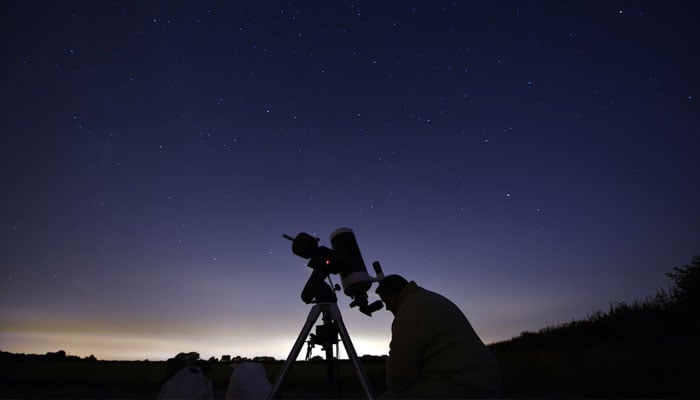
In August, skywatchers can expect a dazzling array of celestial events, including the Full Sturgeon Moon, a stunning planetary conjunction of Jupiter and Venus, and the highly anticipated Perseid meteor shower peak.

ADVERTISEMENT

The month begins with the Full Sturgeon Moon, the eighth full moon of the year, reaching its brightest point at 3:55 a.m. EDT on August 9. Throughout that night and plenty of nights around it, the moon will appear as a large, luminous orb illuminating the night sky. Its name originates from Native American and colonial traditions, referencing the time when large freshwater sturgeon were most plentiful and easiest to catch in North American waters.

This year, August 2025 won’t have a Blue Moon since only 12 full moons are on the calendar. The next Blue Moon — either the second full moon in one calendar month or the third in a season with four full moons — isn’t expected until May 2026.

Following the full moon, early risers will be treated to a striking planetary meetup. On August 12, Jupiter and Venus will appear very close together just before dawn. NASA recommends viewing after 4 a.m. EST, with a clear eastern horizon enhancing visibility. While a telescope isn’t essential to witness this remarkable conjunction, it can certainly make the experience more spectacular.

ADVERTISEMENT

And the night of August 11 into 12 marks the peak of the Perseid meteor shower. Forbes reports that the Perseids, originating from debris shed by Comet Swift-Tuttle, are known for their prolific display, sometimes producing up to 100 meteors per hour. NASA also notes that this shower frequently features bright fireballs, adding to its appeal. In North America, you might start seeing meteors as early as 10 p.m., continuing into the pre-dawn hours.

These cosmic spectacles offer an unforgettable view, making August a prime month for stargazing enthusiasts.

ChatGPT ChatGPT Perplexity AI Perplexity Gemini AI Logo Gemini AI Grok AI Logo Grok AI
Google Banner
ADVERTISEMENT
Maisah Bustami

Maisah Bustami

Maisah is a writer at Digital Phablet, covering the latest developments in the tech industry. With a bachelor's degree in Journalism from Indonesia, Maisah aims to keep readers informed and engaged through her writing.

Related Posts

GDP Per Capita Growth of the World’s Top 15 Economies 

 China:
2000: $1.0K
2026
Infotainment

Top 15 Economies with the Fastest GDP Per Capita Growth

April 24, 2026
How to Use GitHub Copilot: A Step-by-Step Guide
How To

How to Use GitHub Copilot: A Step-by-Step Guide

April 24, 2026
AI

Volcano Engine Launches New Car AI Solution, 7 Million Cars Equipped

April 24, 2026
News

Pentagon Mulls Suspension of Spain from NATO Over Iran Tensions: Source

April 24, 2026
Next Post
54 Migrants Drown as Boat Sinks Off Yemen Coast, Say Medics

54 Migrants Drown as Boat Sinks Off Yemen Coast, Say Medics

  • About Us
  • Contact Us
  • Advertise
  • Privacy Policy
  • Guest Post

© 2026 Digital Phablet

No Result
View All Result
  • Home
  • News
  • Technology
    • Education Tech
    • Home Tech
    • Office Tech
    • Fintech
    • Digital Marketing
  • Social Media
  • Gaming
  • Smartphones

© 2026 Digital Phablet