Select Language:

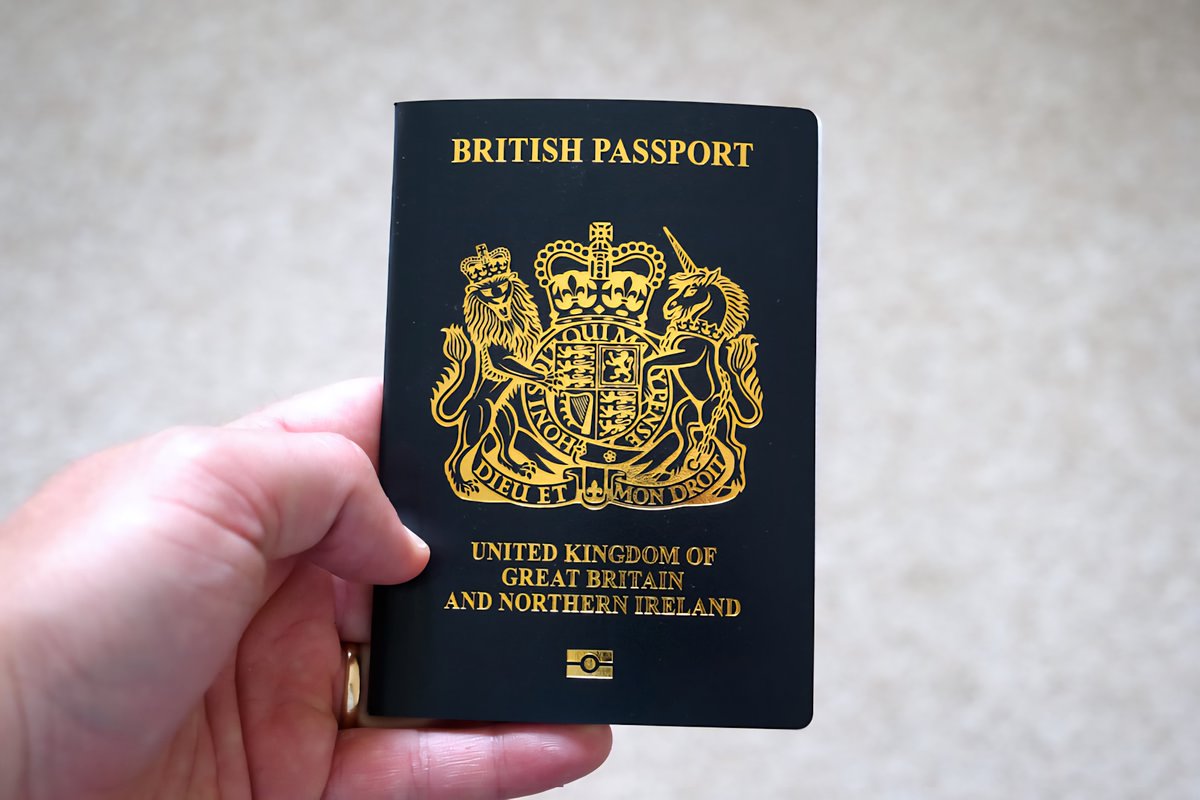
UK Passport Power: A Look at the Last Two Decades of Rankings
1. A Century of Shifts in Passport Rankings
Since 2006, the UK’s passport ranking has seen notable fluctuations on the global stage. Starting the decade in the 3rd position, the UK saw a brief move to 4th in 2007, then slipped further to 6th from 2008 through 2009. Interestingly, the UK reached the top spot in 2010 and maintained it through 2015, marking a period of supremacy for British travelers.
2. The Comeback to the Top Tiers
After holding the number one position until 2015, the UK experienced a decline, falling back to 3rd in 2016. The next few years saw gradual drops: 4th in 2017, 5th in 2018, and further to 6th in 2019 and 2020. This decline can be attributed to shifts in visa policies, international relations, and other geopolitical factors influencing global mobility.
3. Recent Years: Fluctuation and Resurgence
The 2020s have been especially dynamic for the UK passport rankings. After reaching 7th place in 2020 and maintaining that position through 2021, the UK slipped again to 6th in 2022 and 2023. However, there was a brief resurgence in 2024, when the UK moved back up to 4th place, reflecting positive changes in visa agreements and travel policies. In 2025, the ranking dipped slightly to 5th, and the forecast for 2026 shows an expected drop to 6th again.
4. Factors Influencing Changes in Passport Power
Several elements have influenced the shifting ranking of the UK passport over the years:
- Changes in visa policies: Relaxation or tightening of visa requirements can significantly affect passport strength.
- International relations: Diplomatic ties often impact visa waiver programs.
- Global events: Events such as pandemics, conflicts, and treaties alter travel freedoms.
- Economic factors: The UK’s economic stability influences bilateral travel agreements.
5. How Does the UK Compare Today?
In 2025, the UK passport holds the 5th position. While this is still among the highest rankings globally, it indicates a slight decrease in travel freedom compared to the peak years of 2014 and 2015 when it was number one. The trend suggests a competitive yet slightly less advantageous position in global mobility.
6. The Future of the UK Passport
Looking forward, experts anticipate that the UK will strive to regain some of its previous ranks. Ongoing negotiations for visa agreements, participation in international travel accords, and efforts to foster diplomatic relations are likely to influence future rankings. The government’s focus on strengthening global mobility ties could help restore the UK’s passport strength in upcoming years.
7. Why Passport Rankings Matter
Passport power isn’t just about travel convenience; it’s also an indicator of diplomatic standing and international relationships. Countries with higher rankings enjoy greater travel freedom, which can boost tourism, business, and cultural exchanges. Conversely, declines may reflect geopolitical shifts or policy changes that tighten international mobility.
8. A Visual Summary of UK Passport Trends
An illustrative chart showing the UK’s passport rank trend from 2006 to 2025.
Current UK passport ranking as of 2025.
9. Final Thoughts
The UK’s passport ranking remains a key measure of its international mobility and diplomatic effectiveness. Although the trend has seen some dips, the global landscape of travel is ever-changing, and strategic policy initiatives in the future could enhance the UK’s position once again. As of 2025, the UK continues to hold a prominent place among the world’s top countries for travel freedom, but the race to the top remains fiercely competitive.
 ChatGPT
 Perplexity
 Gemini AI
 Grok AI