Select Language:
Decline Continues: U.S. Passport Drops to 9th Place in 2025 Global Ranking

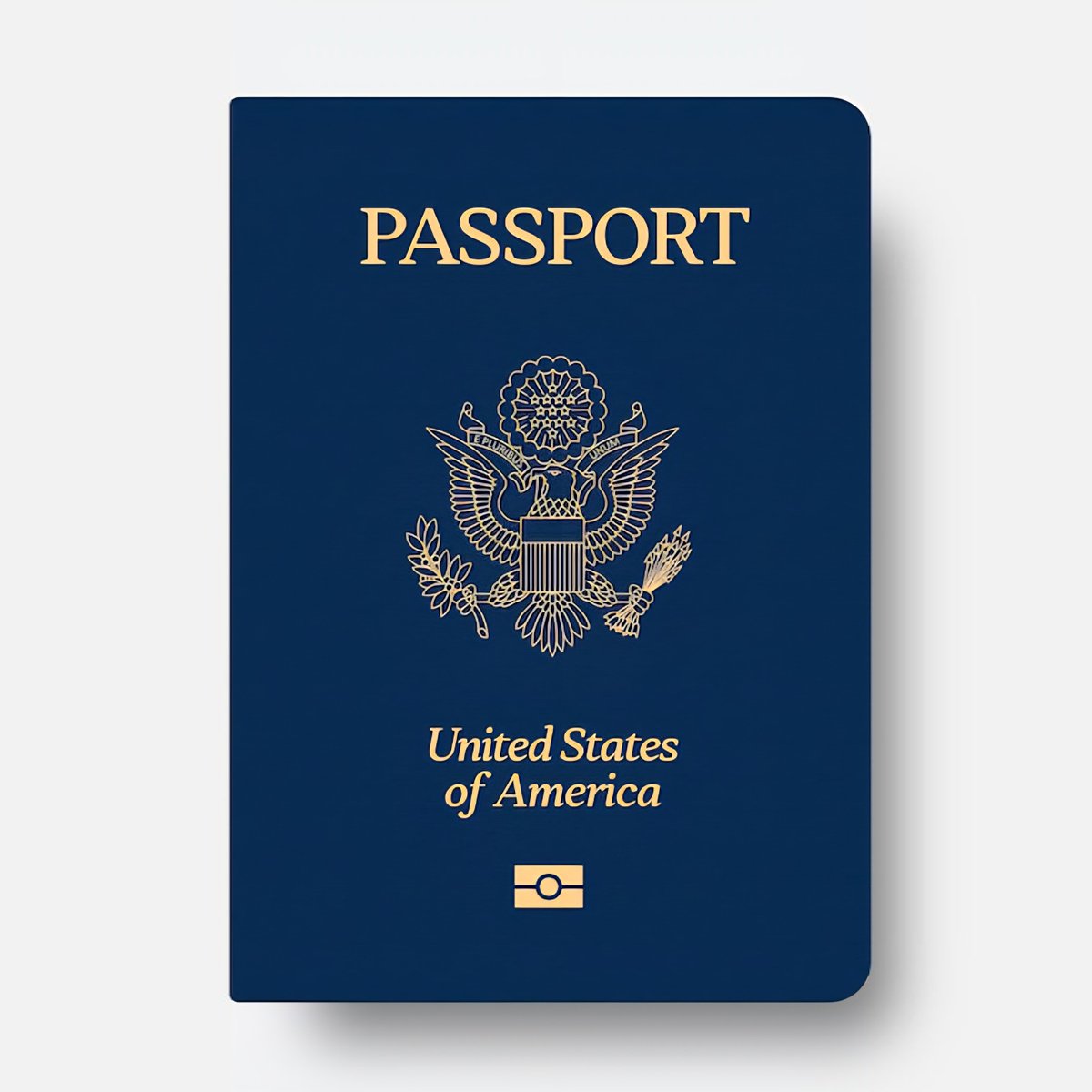
In a remarkable trend that has persisted over two decades, the U.S. passport, once the undisputed leader in global mobility, has experienced a steady decline in its international ranking. The latest data from 2025 reveals that American travelers now hold the 9th position in terms of visa-free access worldwide, marking a sharp drop from its peak standing earlier this century.
1. The Historic Dominance of U.S. Passports (2000-2007)
For most of the early 2000s, the United States solidified its position as the world’s most powerful passport. From 2000 through 2007, U.S. passport holders maintained the top spot, enjoying visa-free or visa-on-arrival access to over 170 countries. This status was a reflection of America’s strong diplomatic ties and global influence during that period.
Key Highlights:
- U.S. passport ranked 1st from 2000 to 2007.
- The global travel landscape was characterized by increasing ease of access.
2. A Gradual Decline Begins (2008–2014)
The shift began subtly in 2008, when the U.S. passport dropped from the 1st to the 2nd position. Over the next few years, the ranking continued to decline gradually:
- 2008 & 2009: 2nd rank
- 2010: 4th rank
- 2011: 5th rank
- 2012 & 2013: 6th and 7th
- 2014: Stable at 7th
This period coincided with increased geopolitical tensions and evolving visa policies that affected international mobility for American passport holders.
Notable Data:
- The declining trend reflects broader changes in global diplomatic relationships.
- American travelers faced more restrictions compared to some peers.
3. Fluctuation and Stabilization (2015–2019)
Post-2014, the U.S. passport experienced some stabilization but also encountered oscillations in its ranking:
- 2015 & 2016: 4th rank, recovering slightly
- 2017: 5th
- 2018 & 2019: Holding steady at 6th
This period was marked by fluctuating visa agreements and global political shifts, impacting overall visa-free access ratios.
Important to note:
- While the U.S. initially climbed back, it couldn’t regain the top spot.
- The rankings reflected geopolitical shifts impacting diplomatic relations.
4. Entering a Period of Decline (2020–2024)
The last five years show a clear downward trend:
- 2020–2022: Ranked 7th amid the COVID-19 pandemic’s travel restrictions
- 2023: Slight decline to 8th
- 2024: Maintains at 7th, but the overall trend was downward
The pandemic played a major role in disrupting international travel, but the lasting impact on diplomatic relations and visa agreements became evident in the rankings.
Additional insights:
- The global tension and diplomatic challenges post-pandemic affected U.S. mobility.
- Other nations improved their visa-free access, overtaking the U.S.
5. The Current Status: 2025 Rankings and What They Mean
In 2025, the U.S. passport has further slipped to occupy the 9th position globally. This means American travelers now have visa-free access to fewer countries compared to the early 2000s, signaling a significant shift in American diplomatic standing.
Implications:
- Travelers may face increased visa requirements.
- The decline highlights evolving global diplomatic and geopolitical dynamics.
- It raises questions about the future of the U.S. passport’s power and international relations.
Final Thoughts
The steady decline of the U.S. passport from the top spot to the 9th place in just over two decades highlights the shifting landscape of global mobility and diplomacy. While historically a symbol of American influence, the current ranking underscores changing geopolitical realities and the importance for travelers to stay informed about visa policies.
As the world continues to navigate geopolitical shifts, the U.S. can either seek to reverse this trend through renewed diplomatic efforts or accept a new role in the global mobility hierarchy.
Photo credits: Twitter sources
 ChatGPT
 Perplexity
 Gemini AI
 Grok AI