Select Language:
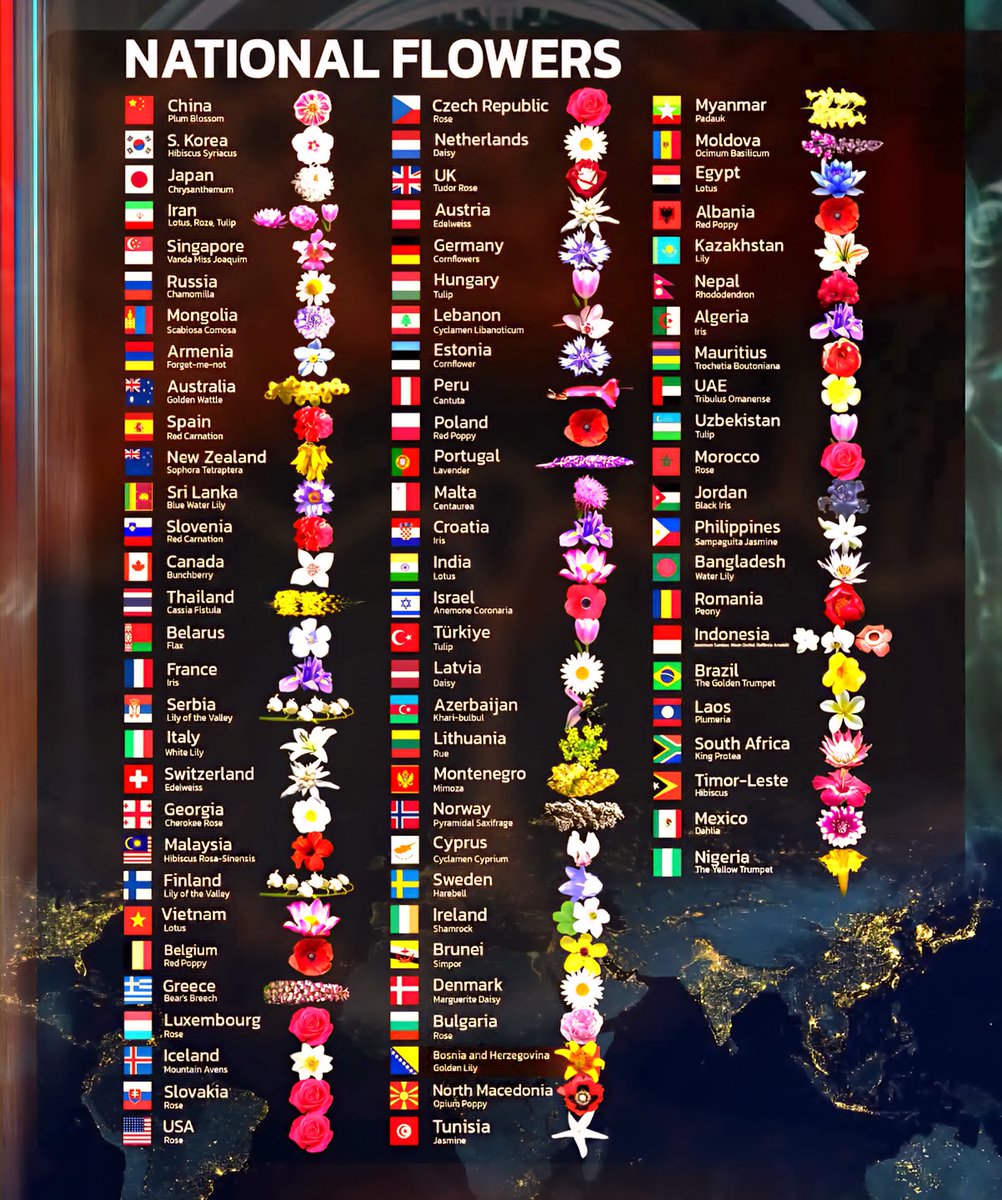
Celebrating the World’s Official Flowers: A Global Tour of Floral Symbols
China – Plum Blossom
Known as the flagship flower representing resilience and perseverance, the plum blossom has been cherished in Chinese culture for centuries. Blooming during the cold winter months, it symbolizes strength in adversity and hope for renewed growth.
South Korea – Hibiscus
The vibrant hibiscus, or mugwort, is the national flower of South Korea. Its bold color and delicate petals symbolize the country’s fleeting beauty, energy, and vitality. This flower often decorates traditional festivals and cultural attire.
Japan – Chrysanthemum
Japan’s official flower, the chrysanthemum, has deep ties to the imperial family and is a symbol of harmony and longevity. The flower’s intricate layers and regal appearance are featured prominently in celebrations and official emblems.
Iran – Lotus
The lotus, a flower representing purity and enlightenment in Iranian culture, is often associated with spiritual awakening. It blooms gracefully in Iran’s wetlands and has historical significance in Persian art and poetry.
Singapore – Orchid
The sophisticated orchid epitomizes Singapore’s unique blend of elegance and resilience. Known as the “Vanda Miss Joaquim,” this orchid symbolizes strength, beauty, and excellence, contributing to Singapore’s international reputation.
Russia – Chamomile
The humble chamomile flower is Russia’s national symbol of peace and calmness. It’s been used in traditional remedies and folk medicine for generations, accentuating Russia’s enduring connection to nature and wellness.
Mongolia – Scabiosa
Commonly called the “pincushion flower,” the scabiosa is Mongolia’s national flower, representing resilience and adaptability — traits vital to the hardy Mongolian landscape and their nomadic way of life.
Armenia – Forget Me Not
The delicate blue flower, the forget-me-not, stands for remembrance and fidelity in Armenian culture. It’s often associated with heartfelt memories and the enduring strength of relationships.
Australia – Golden Wattle
Australia’s golden wattle blooms in spring, symbolizing unity, resilience, and national identity. Its vibrant yellow flowers are proudly displayed during Australia Day and other national celebrations.
Spain – Red Carnation
This vibrant flower signifies admiration and love in Spanish culture. It is integral to numerous festivals, including the famous Fallas Festival in Valencia, where it symbolizes passion and celebration.
New Zealand – Kowhai
The bright yellow kowhai is a symbol of hope and renewal in New Zealand. Its striking blossoms are a reminder of the country’s unique flora and its connection to the Māori culture.
Sri Lanka – Blue Water Lily
Representing purity and spiritual awakening, the blue water lily is Sri Lanka’s national flower. It often appears in Buddhist and Hindu ceremonies, symbolizing enlightenment.
Slovenia – Red Carnation
A popular symbol of love, admiration, and remembrance in Slovenia, the red carnation is widely used in national festivities and commemorations.
Canada – Bunchberry
This small, resilient flower signifies strength and endurance. Native to North American forests, the bunchberry embodies Canada’s natural beauty and rugged spirit.
Thailand – Golden Shower
The golden shower, or Cassia fistula, is Thailand’s national flower. Its cascading yellow blossoms symbolize prosperity, unity, and the monarchy’s enduring legacy.
Belarus – Flax
Historically vital to Belarusian culture and economy, flax symbolizes purity and light. Its blue flowers carry cultural and historical importance, especially in traditional textiles.
France – Iris
The iris, representing wisdom and hope, is France’s floral emblem. Its elegant blooms are associated with French royalty and the country’s artistic heritage.
Serbia – Lily Of The Valley
This sweet-scented flower embodies humility and the arrival of spring in Serbian culture. It often symbolizes renewal and promise.
Italy – White Lily
Symbolizing purity and virtue, the white lily is deeply embedded in Italian art, religion, and festivities, often seen in religious processions and ceremonies.
Switzerland – Edelweiss
The rare and iconic Edelweiss stands for resilience and the rugged beauty of the Swiss Alps. Its protected status enhances its legendary status among mountaineers.
Georgia – Rose
The rose, Georgia’s national flower, symbolizes love, beauty, and patriotism. It is also linked to the country’s rich myths and poetic traditions.
Malaysia – Hibiscus
Same as South Korea, Malaysia’s hibiscus epitomizes courage and universal beauty, frequently featured in national symbols and celebrations.
Finland – Lily Of The Valley
This delicate flower represents the arrival of spring and the joy of renewal in Finnish culture, often linked to traditional celebrations.
Vietnam – Lotus
A profound symbol of spiritual purity and enlightenment, the lotus is extensively featured in Vietnamese art, religion, and festivals.
Belgium – Red Poppy
The red poppy commemorates fallen soldiers, symbolizing remembrance and sacrifice, especially during commemorative days like Remembrance Day.
Greece – Bear’s Breech
Known for its striking colors and ancient roots, the bear’s breech is a symbol of resilience amidst Greece’s rich historical tapestry.
Luxembourg – Rose
Luxembourg’s national symbol, the rose, embodies beauty and elegance, featured in heraldic symbols and cultural references.
Iceland – Mountain Avens
The hardy mountain avens symbolizes endurance and resilience in Iceland’s harsh climates, inspiring local folklore and tradition.
Slovakia – Rose
Like in Luxembourg, blooming roses are a symbol of love and beauty, often used in festivals and national emblems.
United States – Rose
America’s emblem of passion and patriotism, the rose features prominently in national iconography and celebrations, especially Mother’s Day and Independence Day.
Czech Republic – Rose
The rose continues to be a cultural icon representing love, beauty, and national pride across Czech traditions.
Netherlands – Daisy
Celebrated for their innocence and simplicity, daisies are a symbol of purity and are widely appreciated among Dutch flower enthusiasts.
United Kingdom – Tudor Rose
The historic Tudor rose unites two royal houses, symbolizing harmony and legacy in British culture.
Austria – Edelweiss
Sharing its symbolism with Switzerland, Austria’s edelweiss reflects resilience and alpine beauty, beloved by mountaineers and poets alike.
Germany – Cornflower
This wildflower stands for hope and durability, often associated with German folklore and national identity.
Hungary – Tulip
The vibrant tulip signifies elegance and prosperity, enjoying a special place in Hungary’s horticultural heritage.
Lebanon – Cyclamen
Symbolizing love and delicate beauty, cyclamen flowers are vital in Lebanese flora and cultural symbolism.
Estonia – Cornflower
Representing national identity and strength, the cornflower is a staple in Estonian traditions and folklore.
Peru – Cantuta
The scarlet flower of the Cantuta tree, Peru’s national flower, signifies resilience and poetic beauty in Andean culture.
Poland – Red Poppy
Similar to other nations, Poland’s red poppy is a symbol of remembrance and vitality in Polish history.
Portugal – Lavender
The fragrant lavender symbolizes serenity and grace, frequently associated with Portuguese countryside and culinary traditions.
Malta – Maltese Centaury
This petite yet significant flower reflects Malta’s resilience and rich biodiversity.
Croatia – Iris
Another country embracing the iris, symbolizing hope and beauty in Croatian culture.
India – Lotus
A sacred symbol representing spiritual awakening, purity, and divinity, the lotus is deeply woven into Indian religious motifs.
Israel – Anemone
The delicate anemone flower, a symbol of resilience and renewal, is Israel’s national emblem.
Turkey – Tulip
The tulip’s roots run deep in Turkish history, symbolizing abundance, prosperity, and the country’s Ottoman heritage.
Latvia – Daisy
A symbol of innocence and purity, the daisy reflects Latvia’s natural beauty and folk traditions.
Azerbaijan – Khari Bulbul
Known as the “flower of happiness,” the Khari Bulbul blossoms symbolize love and hope in Azerbaijani culture.
Lithuania – Rue
The aromatic rue signifies remembrance and protection, ingrained in Lithuanian folklore and traditions.
Montenegro – Mimosas
Mimosa flowers symbolize hope and resilience, often associated with spring festivals in Montenegro.
Norway – Pyramid Saxifrage
This rare mountain flower embodies endurance amid Norway’s rugged terrains and breathtaking landscapes.
Cyprus – Cyclamen
Similar to other nations, Cyprus’s cyclamen is valued for its beauty and symbolism of love.
Sweden – Harebell
Representing grace and delicacy, the harebell is a cherished sight in Sweden’s natural landscape.
Ireland – Shamrock
A global symbol of luck and Irish heritage, the shamrock is intrinsically tied to Irish identity and folklore.
Brunei – Simpor
This tropical flower is a symbol of prosperity and vitality in Brunei, often seen in cultural festivities.
Denmark – Marguerite Daisy
The cheerful Marguerite daisy signifies innocence and purity in Danish traditions.
Bulgaria – Rose
Sharing its symbolism with other nations, Bulgaria’s rose is a symbol of love, beauty, and national pride.
Bosnia & Herzegovina – Golden Lily
A historic emblem representing purity and noble spirit, the Golden Lily features prominently in national heraldry.
North Macedonia – Poppy
The bright red poppy signifies remembrance and hope, resonating with Macedonian history and culture.
Tunisia – Jasmine
Jasmine’s sweet scent and delicate beauty symbolize grace and hospitality in Tunisia.
Myanmar – Padauk
Myanmar’s national flower, the Padauk, blooms with vibrant orange-red, emblematic of resilience and strength.
Moldova – Basil
Highlighting tradition and love, basil is delicately linked with Moldova’s culinary and cultural identity.
Egypt – Lotus
Deeply rooted in ancient Egyptian symbolism, the lotus signifies rebirth, purity, and eternal life.
Albania – Red Poppy
Similar to other Balkan nations, Albania’s red poppy reflects remembrance and vitality.
Kazakhstan – Lily
The elegant lily symbolizes purity and national pride in Kazakhstan.
Nepal – Rhododendron
Nepal’s mountainous landscape is home to the rhododendron, a symbol of resilience and natural beauty.
Algeria – Iris
A symbol of wisdom and valor, the iris is a prominent flower in Algerian floral symbolism.
Mauritius – Trochetia
This unique flower signifies cultural pride and resilience, vital in Mauritius’s floral identity.
United Arab Emirates – Tribulus
Known for its resilience and adaptability, the Tribulus plant is associated with strength and endurance.
Uzbekistan – Tulip
Sharing a love for tulips with Turkey, Uzbekistan’s vibrant tulips symbolize prosperity and beauty.
Morocco – Rose
Morocco’s roses are celebrated in fragrant gardens and festivals, embodying love and elegance.
Jordan – Black Iris
Known for its striking appearance, the black iris symbolizes mystery and strength in Jordan.
Philippines – Sampaguita
The delicate sampaguita signifies humility, purity, and hope in Filipino culture and tradition.
Bangladesh – Water Lily
The water lily reflects serenity and spiritual purity in Bengali culture, often seen in art and festivals.
Romania – Peony
The lush peony is a symbol of wealth, honor, and romance across Romanian culture.
Indonesia – Jasmine
A fragrant, beloved flower, jasmine signifies purity and hospitality throughout Indonesian culture.
Brazil – Golden Trumpet
Bright and lively, the golden trumpet symbolizes joy, celebration, and the vibrant spirit of Brazil.
Laos – Frangipani
The fragrant frangipani is a symbol of positivity, grace, and resilience in Laos.
South Africa – King Protea
Africa’s national flower, the king protea represents courage, diversity, and transformation.
Timor Leste – Hibiscus
This tropical flower thrives as a symbol of hope and resilience in East Timor’s culture.
Mexico – Dahlia
Mexico’s national flower, the dahlia, embodies dignity, strength, and the country’s rich horticultural heritage.
Nigeria – Yellow Trumpet
Representing vitality and tradition, the yellow trumpet is a colorful symbol of Nigerian culture.
This global floral tour highlights how diverse nations honor their natural heritage through cherished national flowers, symbolizing everything from resilience and purity to love and prosperity. Each bloom narrates a story rooted in history, culture, and national identity, reminding us of nature’s enduring significance worldwide.
 ChatGPT
 Perplexity
 Gemini AI
 Grok AI