Select Language:
Most Studied Languages in the World in 2025
1. English Continues to Dominate Globally
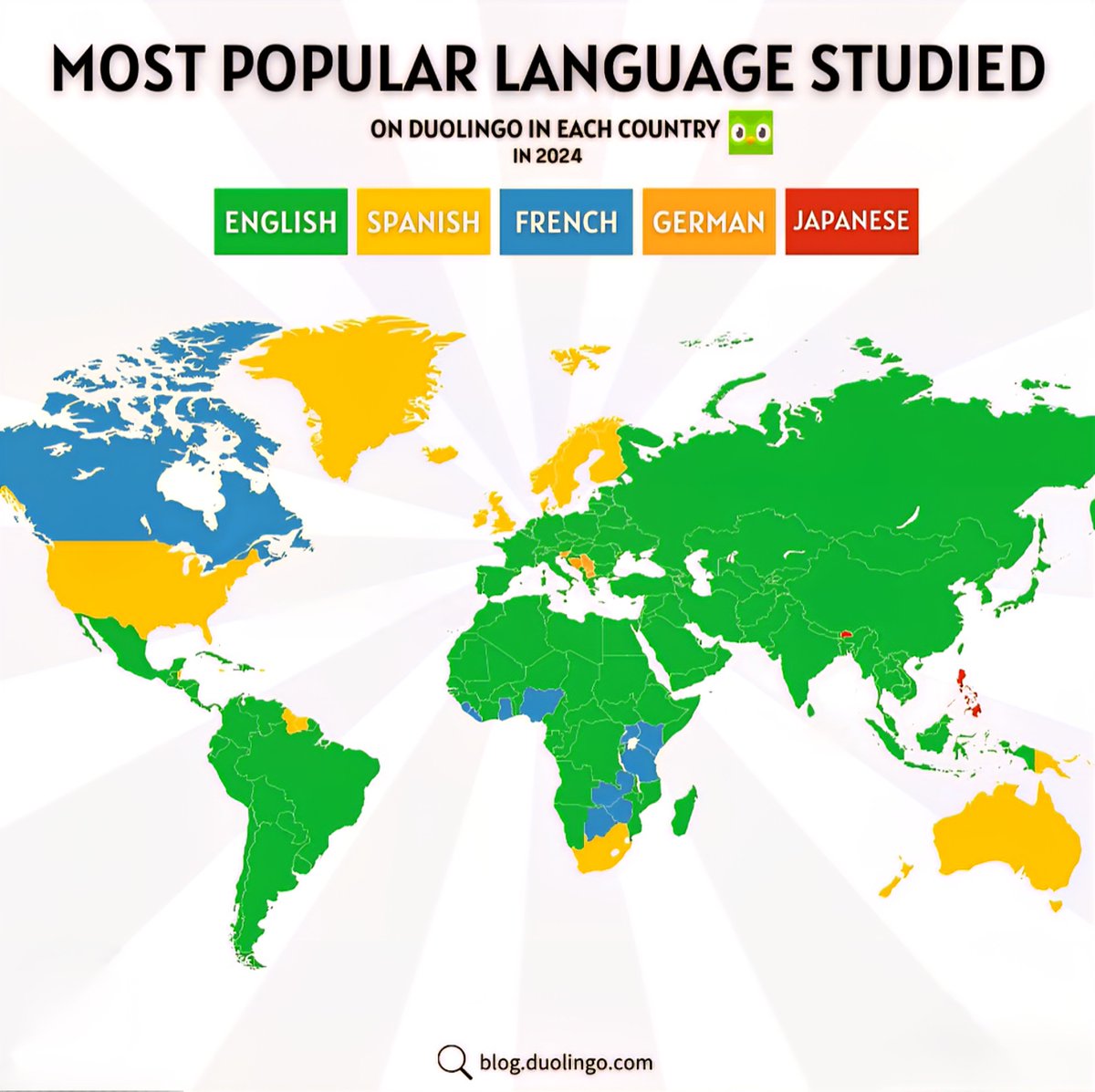
English remains the most studied language worldwide, owing to its status as a global lingua franca. It is an essential skill in international business, diplomacy, technology, and entertainment. With over 1.5 billion people learning or speaking English, the language’s proliferation is driven by the booming industries in tech hubs like Silicon Valley and the widespread influence of Hollywood. Educational institutions across all continents prioritize English training, emphasizing its importance for career advancement and access to a vast array of resources.
2. Mandarin Chinese Gains Further Popularity
Mandarin Chinese has cemented its place as the second most studied language globally in 2025. The rise of China as an economic superpower has propelled interest in learning Mandarin. Many universities worldwide now offer robust programs focused on Chinese language and culture to prepare students for careers in international trade, diplomacy, and business. The country’s technological innovations and expanding consumer markets make Mandarin a valuable skill for future business leaders and entrepreneurs.
3. Spanish’s Enduring Appeal
Spanish continues to be a favorite among language learners, especially in the Americas and Spain. Its widespread use across North, Central, and South America makes it a practical choice for those seeking opportunities in international business, healthcare, and education. Additionally, Spanish is regarded as one of the easier languages for English speakers to master because of its straightforward pronunciation and grammar. In 2025, the language’s cultural richness—from music and dance to cuisine—also drives its popularity among learners worldwide.
4. French’s Lasting Global Influence
French retains its status as a key language for international diplomacy, international organizations, and global culture. Known as the language of love and diplomacy, French is spoken in 29 countries and is an official language in institutions like the United Nations. Its role in global affairs, combined with its status as a language of art, fashion, and culinary excellence, sustains its appeal among students and professionals alike.
5. German’s Stronghold in Europe and Beyond
Germany’s booming economy and technological advancements have made German a highly sought-after language. It is considered the most important language in the European Union and is crucial for careers in engineering, manufacturing, and scientific research. German language programs are increasingly popular in North America and Asia, helping students gain access to Germany’s high-quality education system and vibrant job market.
6. Japanese’s Continued Cultural and Economic Relevance
Japanese remains a popular choice for learners interested in Japan’s unique culture, technology, and pop culture—think anime, manga, and video games. Japan is one of the world’s largest economies, and fluency in Japanese opens doors to opportunities in automotive, robotics, and electronics industries. Educational institutions offer specialized courses, and governments promote language exchange programs to strengthen cultural ties.
7. Italian’s Cultural and Artistic Attractiveness
Italian’s enduring appeal is largely driven by its rich history in art, music, fashion, and cuisine. Many learners aim to connect more deeply with Italy’s cultural heritage or pursue careers in tourism, hospitality, and the arts. Italy’s close geographical and cultural ties with other European countries also contribute to its continued popularity.
8. Korean’s Booming Global Presence
Over recent years, Korean has gained momentum thanks to K-pop, Korean dramas, and the country’s technological innovations. Learning Korean provides access to a rapidly growing economy and offers opportunities in industries like technology, entertainment, and fashion. Universities and language schools worldwide increasingly include Korean programs to meet this rising demand.
9. Hindi and Other Indian Languages on the Rise
India’s continued economic growth makes Hindi and other Indian languages increasingly important for international business. As globalization deepens, more students and professionals are learning Hindi, Urdu, Tamil, and other regional tongues to tap into India’s expanding markets and cultural initiatives. These languages are becoming integral to diplomatic relations and global commerce.
10. Arabic’s Strategic Importance
Arabic remains a crucial language for diplomacy, international relations, and business in the Middle East and North Africa. Its strategic importance is heightened by ongoing geopolitical developments and the region’s vast energy resources. Educational programs focus on various dialects to equip learners with practical language skills for diplomatic careers, journalism, and international business ventures.
As the world continues to evolve, so do the languages that connect us across borders. The languages listed here are not only popular due to their cultural or economic importance but also because they open pathways for cross-cultural understanding and global collaboration in 2025.
 ChatGPT
 Perplexity
 Gemini AI
 Grok AI