Select Language:
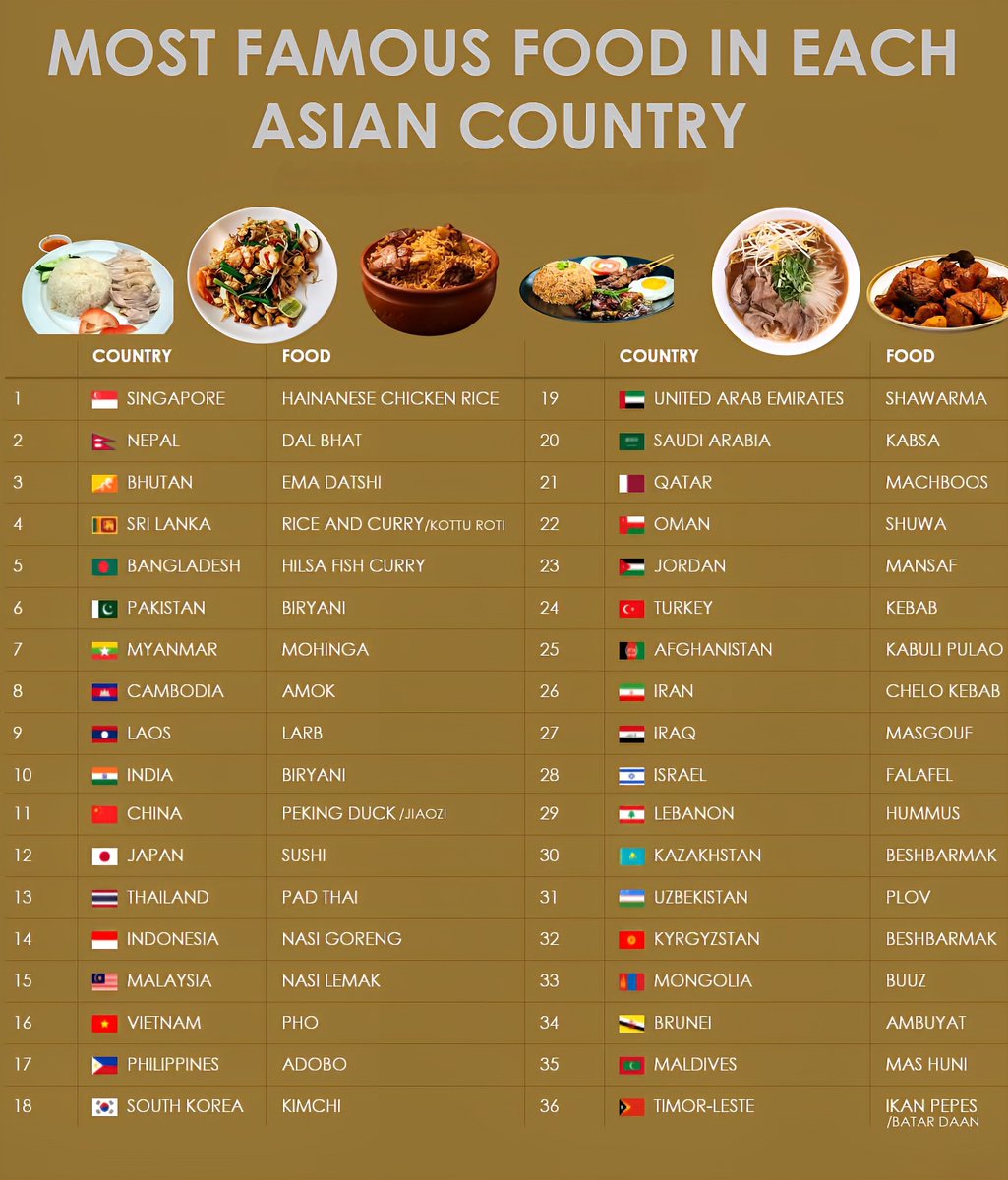
Most Iconic Dishes in Each Asian Country: A Culinary Guide for 2025
Singapore – Hainanese Chicken Rice
Singapore’s national pride, Hainanese Chicken Rice, is a tantalizing dish that combines poached chicken served with fragrant rice cooked in chicken stock, accompanied by chili sauce and ginger paste. Recognized for its delicate flavors and comforting aroma, it exemplifies Singapore’s multicultural culinary heritage and is a must-try for both visitors and locals alike.
Nepal – Dal Bhat
A staple of Nepali cuisine, Dal Bhat is the country’s most cherished dish. Comprising steamed rice served with a variety of lentil soups (dal) and accompanied by vegetables, pickles, and meat or fish, this hearty meal represents Nepal’s agricultural roots. It’s traditionally eaten daily and is celebrated for its nourishing qualities and cultural significance.
Bhutan – Ema Datshi
Ema Datshi is Bhutan’s spicy national dish, a blend of chili peppers (ema) and cheese (datshi). Simmered together to create a fiery, cheesy stew, it embodies the fiery spirit and vibrant flavors of Bhutanese cuisine. It’s often served with red rice and is a testament to Bhutan’s love of spicy, hearty foods.
Sri Lanka – Rice and Curry / Kottu Roti
In Sri Lanka, rice paired with an array of curries—beef, chicken, fish, or vegetable—is a daily staple. Kottu Roti, a chopped roti stir-fried with vegetables, eggs, and spices, is a beloved street food that energizes evenings across the island. Both dishes showcase Sri Lanka’s rich spice history and diverse culinary influences.
Bangladesh – Hilsa Fish Curry
The Hilsa fish, known locally as Ilish, is the jewel of Bangladeshi cuisine. Prepared as a flavorful curry often cooked with mustard seeds, turmeric, and green chilies, it’s celebrated for its tender texture and unique taste. Hilsa’s cultural and culinary significance makes it a symbol of Bangladeshi identity.
Pakistan – Biryani
Pakistani Biryani is a fragrant rice dish layered with marinated meat, spices, and sometimes potatoes. With regional variations such as Hyderabadi and Karachi biryanis, it’s a festive dish that reflects the rich Mughal heritage and Pakistani love for bold flavors.
Myanmar – Mohinga
Often regarded as Myanmar’s national dish, Mohinga is a flavorful fish broth soup served over rice noodles. It’s typically garnished with herbs, lime, and chili, offering a comforting taste that embodies Myanmar’s culinary traditions rooted in local ingredients and Burmese flavors.
Cambodia – Amok
Amok is Cambodia’s signature dish—a rich, creamy fish curry steamed in banana leaves. Made with fresh fish, coconut milk, and Khmer spices, Amok showcases Cambodia’s mastery of delicate flavors combined with aromatic herbs and rustic ingredients.
Laos – Larb
Larb is a traditional Laotian salad made from minced meat (usually chicken, beef, or fish), seasoned with lime juice, fish sauce, herbs, and roasted rice powder. It’s a cornerstone of Laotian cuisine, reflecting their love of fresh herbs and tangy flavors.
India – Biryani
India’s artisanal Biryani stands out globally, with regional varieties from Hyderabad to Kashmir. Aromatic long-grain rice cooked with marinated meat, saffron, and spices—this dish is celebrated during festivals and special occasions, embodying India’s diverse culinary tapestry.
China – Peking Duck / Jiaozi
Peking Duck, with its crisp skin and tender meat, is a legendary Chinese delicacy often served with pancakes, scallions, and sweet bean sauce. Alternatively, Jiaozi (dumplings)—filled with meat and vegetables—are essential street food that highlights China’s mastery of dough and filling.
Japan – Sushi
Globally revered, Japanese Sushi features fresh raw fish paired with vinegared rice and often accompanied by wasabi and soy sauce. From high-end restaurants to casual conveyor belt outlets, sushi remains an iconic symbol of Japanese culinary artistry.
Thailand – Pad Thai
Thailand’s famous street food, Pad Thai, is a stir-fried noodle dish combining shrimp, tofu, peanuts, bean sprouts, and lime. Its balanced flavors of sweet, sour, salty, and spicy exemplify Thai cuisine’s vibrant palette.
Indonesia – Nasi Goreng
Indonesia’s beloved fried rice dish, Nasi Goreng, is flavored with sweet soy sauce, garlic, and chili, often topped with a fried egg. It’s a versatile comfort food found across Indonesia, representing the country’s rich culinary history.
Malaysia – Nasi Lemak
Nasi Lemak is Malaysia’s national dish, featuring fragrant rice cooked in coconut milk, accompanied by anchovies, peanuts, boiled egg, and spicy sambal. It embodies Malaysia’s diverse cultural influences and is enjoyed at any meal.
Vietnam – Pho
Vietnamese Pho is a fragrant beef or chicken noodle soup served with fresh herbs, lime, and chili. Its warm, umami-rich broth and tender meat make it a go-to comfort food and an international ambassador of Vietnamese cuisine.
Philippines – Adobo
Adobo is considered the Philippines’ signature dish, made with marinated meat—commonly chicken or pork—slow-cooked in vinegar, soy sauce, garlic, and spices. Its tangy, savory taste makes it a Filipino classic.
South Korea – Kimchi
No Korean meal is complete without Kimchi, fermented spicy cabbage or radish, offering complex flavors and probiotic benefits. Kimchi symbolizes Korean culinary tradition and is integral to dishes like Kimchi jjigae and Korean BBQ.
United Arab Emirates – Shawarma
Shawarma features marinated, spit-roasted meat—usually chicken, beef, or lamb—wrapped in pita bread with garlic sauce and pickles. It’s a popular street food, showcasing Middle Eastern flavors at their best.
Saudi Arabia – Kabsa
Kabsa is a rich, spiced rice dish with meat, vegetables, and dried fruit, often served during communal gatherings. Its aromatic profile and hearty ingredients represent the warm hospitality of Saudi culture.
Qatar – Machboos
Similar to Kabsa, Machboos is a flavorful rice dish cooked with saffron, dried lemon, and tender meat. It’s a staple in Qatari cuisine, reflecting the country’s Bedouin roots and seasoning traditions.
Oman – Shuwa
Shuwa features slow-cooked lamb marinated with spices, wrapped in palm leaves, and cooked in an underground oven. This festive dish embodies Oman’s Bedouin culinary traditions and communal celebrations.
Jordan – Mansaf
Mansaf is Jordan’s national dish—succulent lamb served over rice with jameed (fermented dried yogurt) sauce, garnished with almonds and pine nuts. It’s a symbol of Jordanian hospitality and history.
Turkey – Kebab
Turkey’s Kebab variety—such as doner, shish, or Adana—are seasoned grilled meats served with vegetables and flatbread. Renowned worldwide, kebabs are a vital part of Turkish culinary heritage.
Afghanistan – Kabuli Pulao
Kabuli Pulao is Afghanistan’s aromatic rice dish with sweet carrots, raisins, and tender lamb. Its celebratory status reflects Afghan cultural traditions and culinary finesse.
Iran – Chelo Kebab
Chelo Kebab features saffron-infused rice served with grilled meats, often accompanied by grilled tomatoes and fresh herbs. A royal Persian classic, it highlights Iran’s mastery of rice and spices.
Iraq – Masgouf
Masgouf is Iraq’s traditional grilled fish, typically carp, seasoned with spices and cooked over open flames. It’s enjoyed along the Tigris River as a cultural culinary symbol.
Israel – Falafel
Falafel, deep-fried chickpea patties served in pita with tahini and fresh veggies, is Israel’s most popular street food. It embodies Middle Eastern flavors and vegetarian traditions.
Lebanon – Hummus
Lebanese Hummus, a smooth blend of chickpeas, tahini, garlic, and lemon, is a staple mezze dish. Served with warm pita bread, it’s a symbol of Lebanon’s rich culinary history.
Kazakhstan – Beshbarmak
Beshbarmak, meaning “five fingers,” features boiled meat served with noodles and onion broth. It’s a traditional dish that reflects Kazakhstan’s nomadic heritage.
Uzbekistan – Plov
Plov, a flavorful rice dish cooked with carrots, onions, and seasoned lamb or beef, is Uzbekistan’s national dish—cultural, hearty, and central to Uzbek gatherings.
Kyrgyzstan – Beshbarmak
Like Kazakhstan, Kyrgyzstan’s Beshbarmak is a communal dish, emphasizing boiled meat, noodles, and herbs, symbolizing unity and traditional nomadic life.
Mongolia – Buuz
Buuz are Mongolian steamed dumplings filled with seasoned meat, usually beef or mutton. They are a festive favorite, especially during Lunar New Year celebrations.
Brunei – Ambuyat
Ambuyat, made from sago starch, has a sticky, tapioca-like consistency and is served with a variety of dips. It’s considered Brunei’s national dish, highlighting local ingredients.
Maldives – Mas Huni
Mas Huni features shredded smoked tuna mixed with coconut, onion, and chili, often eaten with flatbread for breakfast. It represents Maldivian coastal flavors and seafood abundance.
Timor-Leste – Ikan Pepes / Batar Da’an
Ikan Pepes involves marinated fish wrapped in banana leaves and grilled, while Batar Da’an is a traditional rice dish with locally sourced ingredients. Both reflect Timor-Leste’s rich fishing and agricultural traditions.
Note: The listed dishes are chosen based on their popularity and cultural significance across each country. Variations may exist across regions, and some dishes may not originate within the country but are widely enjoyed there.
Image: Most Famous Food in Each Asian Country
 ChatGPT
 Perplexity
 Gemini AI
 Grok AI