Select Language:
The Most Powerful Countries in 2025: A Detailed Look
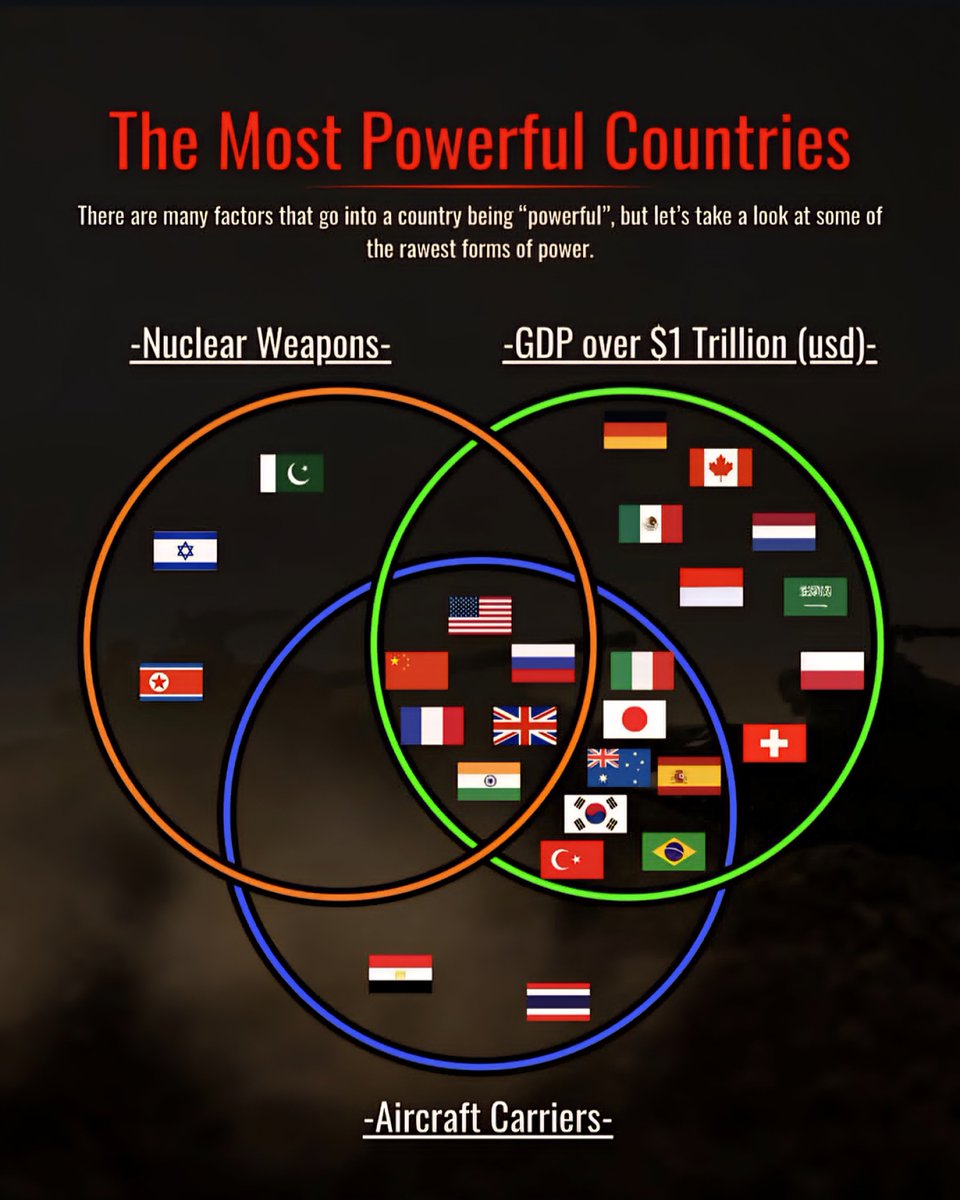
1. United States: Leading the Global Stage
The United States continues to dominate as the most influential country globally. Its unparalleled military strength, technological innovation, and economic resilience solidify its position. The U.S. boasts a defense budget that far exceeds that of any other nation, supporting advanced military capabilities and maintaining a commanding presence worldwide. Additionally, the country’s technological giants like Google, Apple, and Microsoft shape global trends, while its financial markets remain the most influential. The U.S. also plays a pivotal role in international organizations, offering leadership on global issues such as climate change, cybersecurity, and economic stability.
2. China: The Rising Superpower
China has solidified its status as a superpower, rivaling the United States in multiple arenas. Its rapid economic growth over the past decade propelled it into a global influence leader. The country’s Belt and Road Initiative (BRI) continues expanding, connecting Asia, Africa, and Europe through massive infrastructure investments. China’s military modernization accelerates its regional influence in Asia and beyond, with advanced naval capabilities and cyber warfare systems. Moreover, China’s dominance in manufacturing, technology, and digital payments positions it as a key player shaping the global economy of 2025.
3. Russia: A Resilient Power
Russia remains a major power with strategic influence stretching across military, diplomatic, and cyber domains. Despite facing economic sanctions and geopolitical challenges, Russia maintains its nuclear arsenal as a pillar of national security. Its military interventions, notably in Eastern Europe and the Middle East, showcase its commitment to safeguarding its national interests. Russia also advances its digital and cyber capabilities, influencing global discourse and security landscapes. The country’s energy exports, especially to Europe and Asia, continue to underpin its economic strength.
4. India: The Emerging Giant
India continues its climb as one of the world’s most influential nations. With a massive population and rapid technological adoption, India’s economy sees unprecedented growth, driven by a burgeoning tech sector, manufacturing, and infrastructure development. Its military expansion aims to secure its borders and project power regionally and globally. India’s prominent role in global forums such as the G20 and BRICS underscores its rising influence. The country also invests heavily in space technology and renewable energy, positioning itself as a key player in future global innovations.
5. European Union: A Collective Force
While not a single nation, the European Union (EU) remains a significant global actor. Its collective economic strength, cultural influence, and adherence to shared values such as democracy and human rights give it a unique position. The EU’s transition to green energy and its leadership in climate policy have set standards worldwide. Economically, the bloc’s integrated markets and digital economy drive substantial global trade. Politically, its diplomatic efforts and partnerships amplify its standing, especially as it navigates the challenges of geopolitical tensions involving Russia, China, and the United States.
6. Japan: At the Forefront of Innovation
Japan continues to be a technological powerhouse and a key player in regional and global affairs. Its leadership in robotics, automation, and sustainability initiatives positions it as an innovator of the future. Japan’s strategic partnerships, particularly with the U.S. and Asian neighbors, bolster regional stability and economic growth. Despite demographic challenges, Japan’s resilience and focus on cutting-edge technology maintain its influence on the world stage.
7. United Kingdom: A Steady Global Player
The UK remains an influential global actor, leveraging its strong economy, cultural reach, and diplomatic networks. Post-Brexit, the country has shifted focus toward strengthening its trade links, particularly with the Commonwealth nations and the United States. The UK leads in finance, aerospace, and medicine, with major centers like London maintaining their importance. Its diplomatic engagements and military capabilities ensure it remains a formidable and influential nation.
The geopolitical landscape of 2025 is shaped by these powers, each wielding influence through military strength, economic prowess, technological innovation, and diplomatic reach. They continually adapt to new challenges, forging alliances and rivalries that define the future of global stability.
Note: This list reflects the current analysis of world power dynamics as of 2025 and is subject to change based on geopolitical developments.
 ChatGPT
 Perplexity
 Gemini AI
 Grok AI