Select Language:
Exploring Global House Shoe Policies in 2025
1. A Global Perspective on Shoe Etiquette at Home
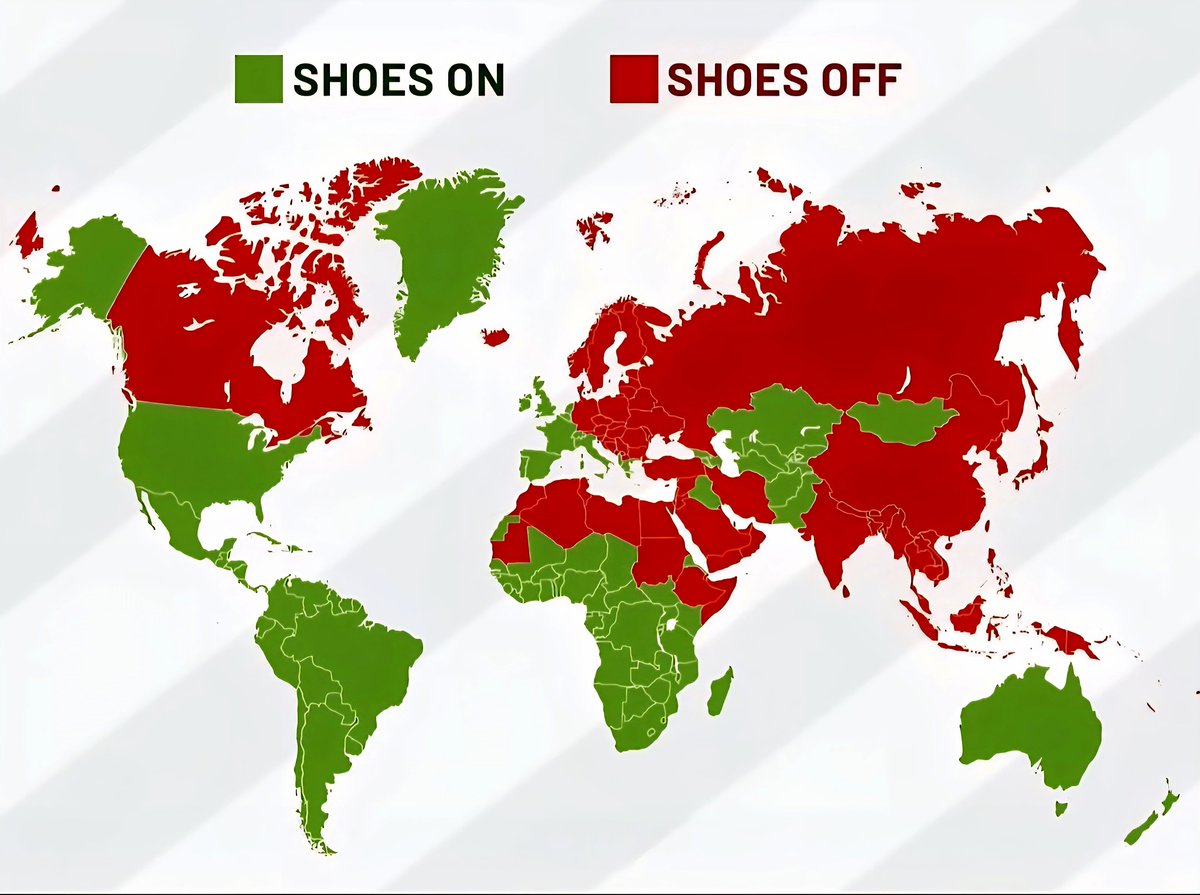
In many parts of the world, the practice of wearing shoes inside the house varies significantly. Some countries have deeply rooted customs that encourage removing shoes at the door to maintain cleanliness, while others are more lenient. Recent surveys and cultural studies in 2025 highlight how diverse these practices are, influencing everything from home hygiene standards to social etiquette.
2. Asia: A Cultural Norm Rooted in Respect and Cleanliness
In countries like Japan, Korea, and China, removing shoes is considered a sign of respect and cleanliness. Households often have designated slippers for indoor use, and the practice is observed consistently across most homes. This tradition emphasizes creating a clean living space, especially considering the prevalence of tatami mats and traditional flooring materials, which are easily dirtied by outdoor shoes.
3. Europe: A Mix of Policies and Personal Preferences
European nations show a spectrum of behaviors. In countries like Italy and France, many families prefer guests to remove shoes, especially in the countryside and traditional homes. Urban areas tend to be more relaxed, with some households accepting shoes indoors, largely due to cultural norms and weather conditions. Notably, in Scandinavian countries like Sweden and Norway, shoe removal is common, emphasizing hygge and indoor comfort.
4. North America: A Blended Approach
In the United States and Canada, attitudes toward shoes inside the house vary markedly. While some households enforce strict no-shoe policies—often encouraging guests to remove their footwear—the practice is not universal. Many urban homes and apartments lean toward relaxed policies, especially in regions with harsh winters where outdoor footwear tends to be muddy or snowy. The trend towards cozy, clutter-free living encourages some homeowners to keep shoes outside or in designated areas.
5. Australia and New Zealand: Casual and Varied
In Australia and New Zealand, the practice of removing shoes inside homes is generally informal. Many households prefer guests to take off their shoes, especially when slippers or socks are involved, but it’s not necessarily a strict rule. Weather conditions, such as wet or muddy footwear, influence behaviors, and outdoor shoes are often left at the door to preserve the interior’s cleanliness.
6. Middle East and Africa: Varying Customs Based on Climate and Culture
In Middle Eastern countries, removing shoes inside the home is customary, influenced by Islamic practices that emphasize cleanliness. Indoors, many residents wear slippers or go barefoot. In parts of Africa, practices differ widely depending on local customs, climate, and the household’s traditions, with some families insisting on shoe removal and others more relaxed.
7. Impact of Climate and Lifestyle on Shoe Policies
Climate plays a pivotal role in determining indoor shoe policies. Areas with frequent rain, snow, or dusty environments tend to enforce removing shoes to keep homes cleaner and more comfortable. Conversely, in drier or urbanized regions, people may be more permissive about indoor footwear, especially where indoor spaces are designed for ease of cleaning or when shoes are specially made for indoor use.
8. How the Practice Reflects Broader Cultural Values
The customs surrounding shoes inside the house reveal broader cultural values such as respect, hygiene, and comfort. For many Asian cultures, removing shoes symbolizes respect for the home and elders. In Western societies, the practice often aligns with comfort and personal preference but can also carry expectations of hospitality. This diversity underscores the importance of understanding cultural norms when visiting or living in different countries.
9. The Future of Indoor Shoe Policies in 2025
As globalization increases and cultural exchanges expand, the lines between traditional practices and modern lifestyles blur. Many households are adopting flexible policies that balance hygiene and comfort. Some innovative solutions include indoor sneaker brands designed for outdoor use or advanced cleaning systems for those who prefer wearing shoes inside. The trend suggests a more personalized approach to shoe policies, tailored to individual and cultural needs.
10. How Travelers and Expats Navigate Local Customs
For travelers and expatriates, understanding local shoe etiquette is crucial. Ignoring these customs can lead to discomfort or misunderstandings. In many cases, hosts provide slippers, or visitors are advised to carry their own indoor footwear. The growing awareness and respect for local traditions foster harmony and show appreciation for diverse cultural norms.
In 2025, the practice of shoe-wearing inside the home continues to be a reflection of cultural identity, climate, and lifestyle. Whether you’re a guest in Japan, a homeowner in Scandinavia, or hosting friends in America, understanding these differences enriches global interactions and promotes mutual respect.
 ChatGPT
 Perplexity
 Gemini AI
 Grok AI