Select Language:
Top Restricted Destinations Around the Globe You Should Never Attempt to Visit
Hidden behind a veil of mystery and secured by tight regulations, some places around the world remain completely off-limits to the curious traveler. Be it due to environmental hazards, national security concerns, or cultural preservation, these forbidden locations continue to fascinate and intrigue. Here’s a comprehensive list of these restricted sites as of 2025, shedding light on why access is so fiercely controlled.
Lascaux Caves, France — Home to Prehistoric Art That Remains Under Lock and Key
Discovered in 1940, the Lascaux Caves house some of the most extraordinary Paleolithic cave paintings, dating back over 17,000 years. To preserve the fragile and ancient wall art, access has been strictly limited since 1963. The cave system is now closed to the public, with a replica opening nearby to satisfy curiosity, while the original site remains protected from damage caused by human presence.
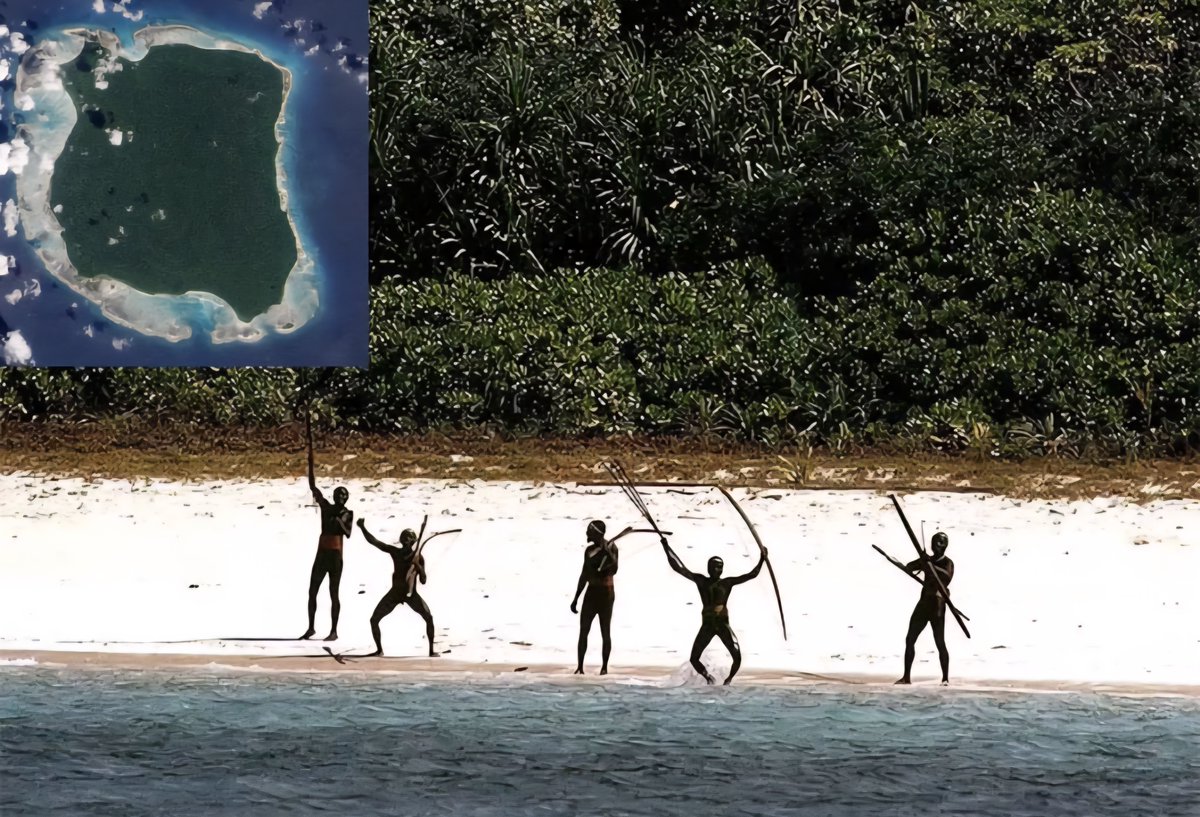
North Sentinel Island, India — An Isolated Tribe Keeps the World at Bay
Nestled in the Andaman and Nicobar Islands, North Sentinel Island is inhabited by the Sentinelese, one of the last undiscovered or uncontacted tribes. Recognized for their resistance to outside contact, the Indian government enforces a no-approach policy. Visitors attempting to land risk severe legal penalties and aggressive defense from the Sentinelese, who fiercely protect their land and way of life.
Surtsey Island, Iceland — Nature’s Laboratory Closed to Humanity
Emerged from a volcanic eruption in 1963, Surtsey Island is a UNESCO World Heritage Site dedicated to scientific research. To prevent ecological disruption, access is heavily restricted. Only approved scientists are permitted, and regular public tours are banned to safeguard the pristine natural environment that continues to provide invaluable insights into volcanic island ecosystems.
Ise Grand Shrine, Japan — A Sacred Site Off-Limits to Non-Priests
Situated in Japan’s Mie Prefecture, the Ise Grand Shrine is a vital spiritual monument with deep historical roots. The shrine is reconstructed every 20 years as part of Shinto tradition, and its inner sanctuaries remain closed to the public at all times. Visitors can admire the site’s external beauty but are barred from entering the sacred inner areas to maintain their purity.
North Brother Island, United States — A Forgotten Outpost of the Past
Located in New York City’s East River, North Brother Island was once an infectious disease hospital site, primarily used to quarantine typhoid and scarlet fever patients. Since the 1960s, the island has been abandoned and is now off-limits due to safety concerns, decay, and the potential presence of hazardous materials. Its eerie ruins have become a haunting symbol of the past.
Dulce Base, United States — The Conspiracy-Buffed Underground Facility
Rumors of a secret underground military base beneath Dulce, New Mexico, have fueled discussions of government secrecy and extraterrestrial activity. Though no official confirmation exists, the U.S. government remains tight-lipped, and access to Dulce Base is strictly restricted or outright impossible for civilians. The speculation adds an aura of mystery that persists into 2025.
Heard Island and McDonald Islands, Australia — A Remote Wilderness Preserved by Isolation
Located in the Southern Ocean, Heard Island boasts glaciers, volcanic landscapes, and rare wildlife. Due to harsh environmental conditions and the need to protect fragile ecosystems, these islands are designated as a protected zone with no permanent human habitation or tourism. Only authorized scientific expeditions are allowed, making them one of the most inaccessible places on Earth.
Svalbard Global seed vault, Norway — Keeper of Humanity’s Food Security
Known as the Doomsday Vault, this underground store contains seeds from around the world to preserve biodiversity. While open to researchers and seed depositors, the vault is heavily secured and not accessible to tourists or casual visitors. Its purpose is critical: safeguarding the planet’s agricultural future against catastrophe.
Snake Island, Brazil — A Serpent-Ridden Natural Fortress
Officially called Ilha da Queimada Grande, Snake Island is notorious for its high concentration of venomous Bothrops insularis snakes. The Brazilian government has designated it a restricted zone, prohibiting any human entry aside from designated scientists conducting research. The danger posed by the snakes makes the island one of the deadliest places on Earth, unreachable to the general public.
Area 51, United States — The Iconic Military and UFO Hub
Famous for its association with extraterrestrial conspiracy theories, Area 51 is a highly classified U.S. Air Force facility in Nevada. The facility’s purpose remains undisclosed, but access is strictly forbidden without official clearance. The U.S. government maintains tight security, fueling speculation about secret aircraft testing and alien technology.
Tomb of Qin Shi Huang, China — The Emperor’s Necropolis and Terracotta Army
Guarded closely by the Chinese government, the tomb of China’s first Emperor, Qin Shi Huang, is believed to be one of the most significant archaeological sites. Its interior remains unopened to the public, partly due to safety concerns and the desire to preserve the site from looting or damage. The Terracotta Army, however, can be viewed at a museum nearby.
Pravcicka Brana, Czech Republic — The Natural Stone Arch That’s Off-Limits
This stunning sandstone arch in the Bohemian Switzerland National Park is a popular photography spot, but access to the arch itself is restricted to protect the natural formation from erosion and over-tourism. Visitors can explore the surrounding trails but are kept away from directly climbing or touching the arch to preserve its structural integrity.
Niihau Island, United States — The ‘Forbidden Island’ of Hawaii
Often called the “Forbidden Island,” Niihau has remained under private ownership since the 19th century, with strict limits on visitor access. Only residents and invited guests are permitted, with helicopter tours and boat trips closely monitored. This policy aims to preserve the native culture and environment from overexposure.
In the realm of the world’s most mysterious and protected sites, these locations remind us of both nature’s grandeur and human history’s secrets. As 2025 unfolds, efforts to preserve these areas continue, keeping many of them forever beyond our reach while fueling curiosity and speculation across the globe.
 ChatGPT
 Perplexity
 Gemini AI
 Grok AI