Select Language:
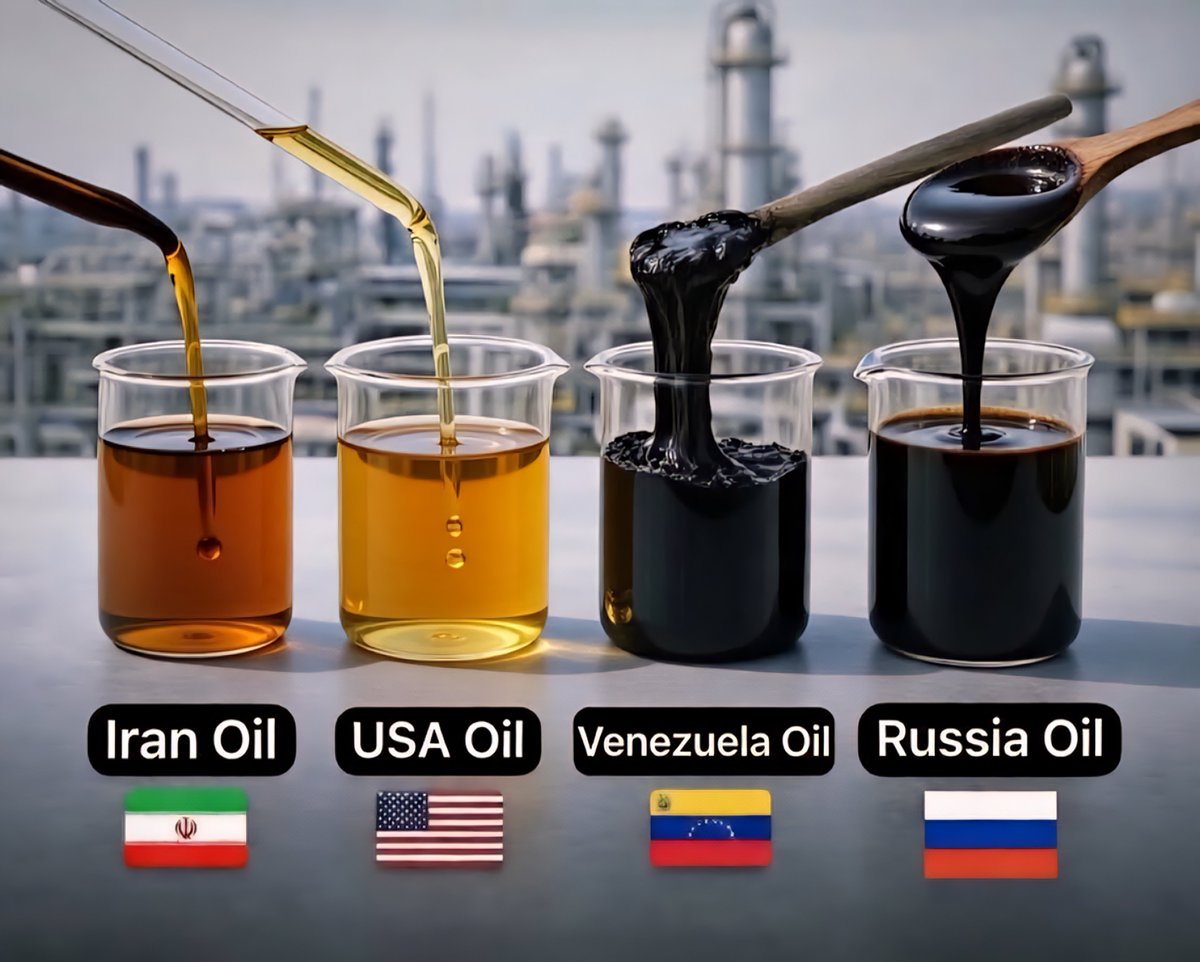
Top Countries with the Largest Oil Reserves in 2025
1. Venezuela Leads the World with Over 300 Billion Barrels of Oil
Venezuela retains its position at the top of the global oil reserves chart, holding approximately 303 billion barrels as of the end of 2024. Despite economic challenges over the past decade, the country still possesses the world’s most extensive proven oil reserves, mainly within the Orinoco Belt. Experts suggest that Venezuela’s vast oil wealth remains a significant, albeit underutilized, resource that could shape global energy markets for years to come.
2. Saudi Arabia Continues to Dominate the Middle East with 267 Billion Barrels
Saudi Arabia holds the second spot, with proven reserves totaling 267 billion barrels. The Kingdom’s strategic oil policies and vast reserves keep it a central player in global energy politics. Its ability to maintain high production levels and manage its reserves smartly continues to influence global oil prices significantly.
3. Iran Possesses the World’s Third Largest Reserves with 209 Billion Barrels
Iran’s oil reserves remain robust at approximately 209 billion barrels. Despite international sanctions and geopolitical tensions, Iran’s oil sector continues to operate at significant capacity, ensuring it remains a key player in the oil market.
4. Canada’s Reserves Surpass 160 Billion Barrels
Canada has moved up in the rankings, with its oil reserves reaching an estimated 163 billion barrels. The country’s vast oil sands resources, primarily in Alberta, are a critical component of its energy sector, although extracting oil from sands remains a complex process owing to environmental concerns.
5. Iraq’s Significant Oil Endowment of 145 Billion Barrels
Iraq continues to hold a substantial share of global reserves with approximately 145 billion barrels. Ongoing conflicts and infrastructural challenges have limited production, but Iraq’s reserves promise potential growth once stability improves.
6. United Arab Emirates Holds 113 Billion Barrels of Oil
The UAE, a leader among Gulf Cooperation Council countries, maintains a reserve of around 113 billion barrels. Dubai and Abu Dhabi’s extensive oil fields are central to the UAE’s economic stability and diversification plans.
7. Kuwait’s Reserves Exceed 100 Billion Barrels
Kuwait’s reserves sit at about 102 billion barrels. The country’s reliance on its oil sector makes it a significant player in Middle Eastern energy strategies and exports.
8. Russia’s Vast Oil Reserves of 80 Billion Barrels
Russia remains a major player with about 80 billion barrels of proven reserves. Its vast Siberian reserves continue to supply global markets, and the country’s oil industry is a vital part of its economy.
9. Libya’s 48 Billion Barrels in Oil Reserves
Despite ongoing political instability, Libya has around 48 billion barrels in reserves, primarily located in the Sirte Basin. Recovery and stability could greatly boost its future production capabilities.
10. United States Holds 45 Billion Barrels
While the U.S. is often considered a leading producer, its reserves stand at approximately 45 billion barrels. Significant oil sands and shale deposits contribute to its total, making it a key player in future energy developments.
11. Nigeria’s 37 Billion Barrels of Oil Reserves
Nigerian reserves are estimated at 37 billion barrels. The country’s oil sector remains vital to its economy, though operational and infrastructural challenges endure.
12. Kazakhstan and the Rest of the Top Reserves
Kazakhstan, with roughly 30 billion barrels, follows Nigeria. Other countries like China, Qatar, Brazil, and Algeria possess notable reserves that contribute to their energy independence and export capacities.
The Global Oil Reserve Landscape in 2025
Despite geopolitical shifts, technological advances, and efforts to diversify energy sources, the world’s oil reserves remain a decisive factor in shaping international economics and geopolitics. Countries with large reserves continue investing in extraction and infrastructure while exploring cleaner energy alternatives to meet future demands.
As the global energy landscape evolves, the major players will likely focus on balancing resource management with climate commitments, possibly unlocking new reserves or adopting alternative energy solutions to remain competitive.
Note: Data reflects the latest figures as of the end of 2024, including oil sands, with all figures in billions of barrels unless specified otherwise. The landscape of oil reserves continues to shift, driven by discovery, technological innovation, and geopolitical factors.
This detailed overview underscores the enormous scale and strategic importance of oil reserves worldwide as of 2025.
 ChatGPT
 Perplexity
 Gemini AI
 Grok AI