Select Language:
Top Countries Most Affected by Terrorism in 2025
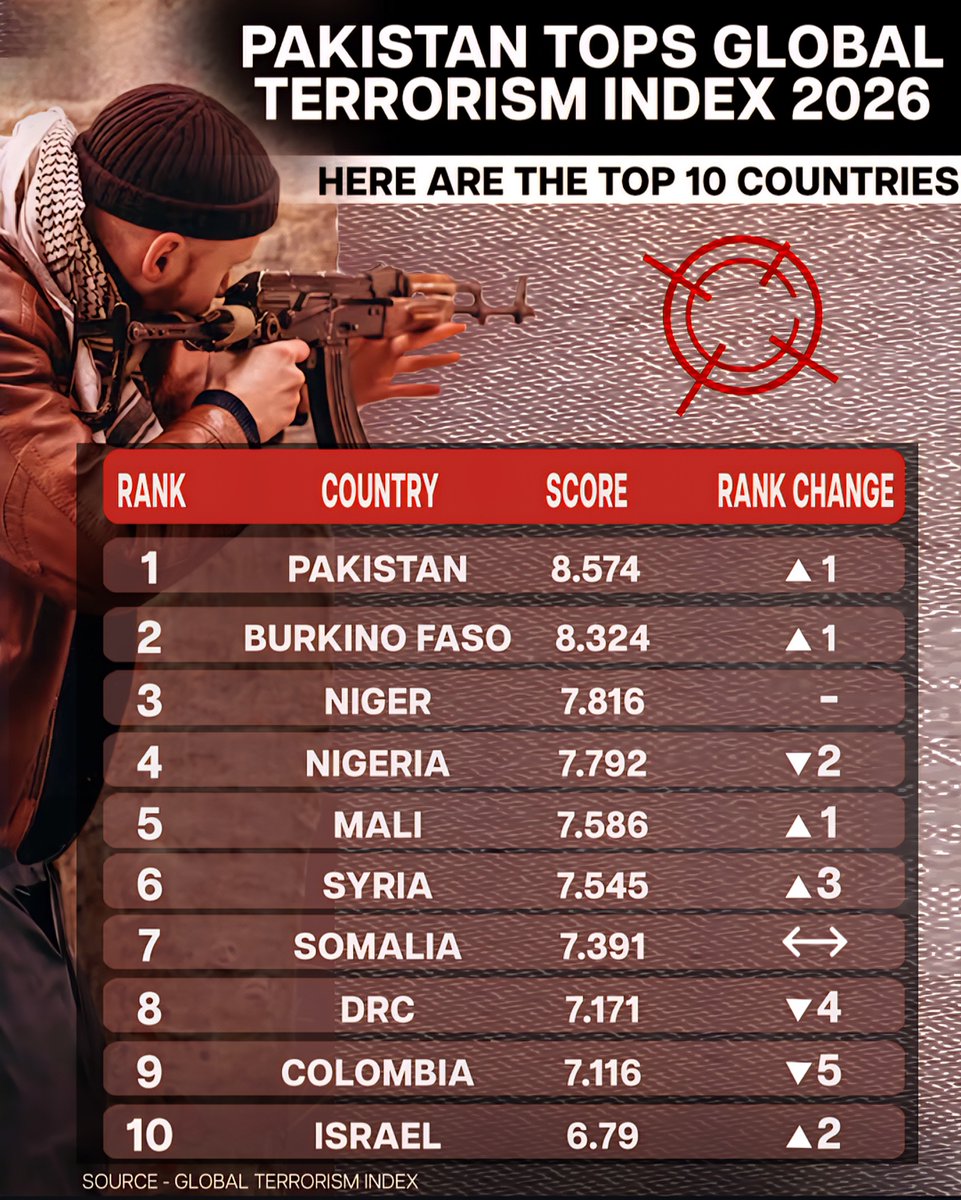
As global security dynamics continue to evolve, recent data from the 2026 Global Terrorism Index highlights stark variations in how different nations are impacted by terrorist activities. Here’s a detailed look at the countries most affected in 2025, categorized by their levels of terrorism-related incidents, casualties, and hostage situations.
Very High Terrorism Risk Countries
Pakistan 🇵🇰
Topping the list, Pakistan remains the most affected country with a very high level of terrorism. Ongoing insurgencies, especially in regions like Khyber Pakhtunkhwa and Balochistan, continue to destabilize the nation. The persistent threats have resulted in numerous casualties, injuries, and hostage events, further complicating peace efforts.
Burkina Faso 🇧🇫
West Africa’s Burkina Faso has seen a surge in violence linked to militant groups operating across the Sahel region. The fragile security situation has led to increased fatalities and injuries, impacting civilian life and government stability.
Niger 🇳🇪
Bordering Mali and Nigeria, Niger faces persistent threats from jihadist groups. Its high ranking underscores ongoing attacks, which often target military installations and civilian populations, amplifying regional security concerns.
Nigeria 🇳🇬
Africa’s most populous country continues to grapple with violent insurgencies, especially from Boko Haram and ISIS-affiliated groups. The result has been a significant spike in deaths, injuries, and hostage events, particularly in the northeast.
Mali 🇲🇱
Mali’s ongoing conflict involving various rebel and jihadist factions has led to widespread violence, including attacks on civilians, military targets, and peacekeepers, labeling it a country with very high terrorism risks.
Syria and Somalia 🇸🇾 🇸🇴
Long-standing conflicts, civil wars, and insurgent presence keep both Syria and Somalia in the very high threat category. Their complex security landscapes include terrorist attacks that frequently cause high casualties.
High Terrorism Risk Countries
Niger 🇳🇪
Also in the high-threat category, Niger’s vulnerability to regional militant operations and cross-border infiltration continues to challenge local security forces.
Nigeria 🇳🇬
The country’s ongoing insurgency crises elevate it to the high terrorism risk zone, affecting millions across different regions.
Mali, Syria, and Somalia
Their high levels of violence reflect ongoing conflicts involving various militant organizations, insurgents, and regional tensions.
Colombia 🇨🇴
Despite decades of peace processes, Colombia’s history with guerrilla groups and drug cartels keeps it within the high terrorism risk category, with numerous incidents still ongoing.
Israel 🇮🇱
The Jewish state faces frequent attacks linked to ongoing Israeli-Palestinian conflicts, leading to a high number of casualties and hostage situations.
Afghanistan 🇦🇫
While the Taliban’s control has led to some stabilization, terrorist groups like ISIS-K still operate, causing high levels of violence.
Moderate Threat Countries
Iraq 🇮🇶
Post-2021, Iraq has experienced fluctuating violence, mostly centered around ISIS sleeper cells and sectarian tensions.
Russia 🇷🇺
Internal security disturbances, especially in the North Caucasus, keep Russia in the moderate risk category.
Iran 🇮🇷
Despite its internal control, Iran deals with terrorist plots and external threats from designated groups.
Kenya 🇰🇪 and Palestine 🇵🇸
Both regions grapple with sporadic terrorist acts—Kenya from al-Shabaab and Palestine from ongoing conflicts and militant groups.
Philippines 🇵🇭 and Indonesia 🇮🇩
Island nations face insurgencies, including separatist movements and Islamist insurgencies.
Yemen 🇾🇪 and Chad 🇹🇩
Conflicts bred by civil unrest and insurgency create a persistent yet moderate threat level.
Chile 🇨🇱 and United States 🇺🇸
While generally stable, these nations face isolated terrorism plots that keep them in the moderate risk zone.
Low to Very Low Terrorism Threat Countries
Australia 🇦🇺, Egypt 🇪🇬, France 🇫🇷, Germany 🇩🇪, United Kingdom 🇬🇧, and Japan 🇯🇵
These nations typically experience a low to very low rate of terrorism-related incidents, primarily from international extremist plots or lone-wolf actors.
Nordic countries (Norway, Denmark, Sweden)
Their robust security measures and social stability have kept terrorism impact minimal.
Canada, China, and New Zealand
These countries reflect very low risks, with security agencies effectively managing potential threats.
Middle Eastern Countries like Saudi Arabia 🇸🇦 and United Arab Emirates 🇦🇪
While strategic regional players, these nations maintain relatively low terrorism incidents, primarily due to high security presence.
Addressing the Global Landscape
The 2026 indexing reveals a dire need for international cooperation, robust intelligence sharing, and proactive counter-terrorism strategies. Countries with ongoing conflicts or unstable regions remain most vulnerable, emphasizing the importance of stabilization efforts, peace negotiations, and socioeconomic development initiatives to curb terrorist influence.
Methodology: The data used for this list originates from the 2026 Global Terrorism Index, which analyzes incidents, casualties, injuries, and hostage events linked to terrorism worldwide. Countries are rated based on recent years’ data, categorized into five levels: Very High, High, Medium, Low, and Very Low.
Source: Global Terrorism Index 2026
Note: The landscape of terrorism is continuously evolving; sustained vigilance and international collaboration are essential to mitigating these threats and promoting global security.
 ChatGPT
 Perplexity
 Gemini AI
 Grok AI