Select Language:
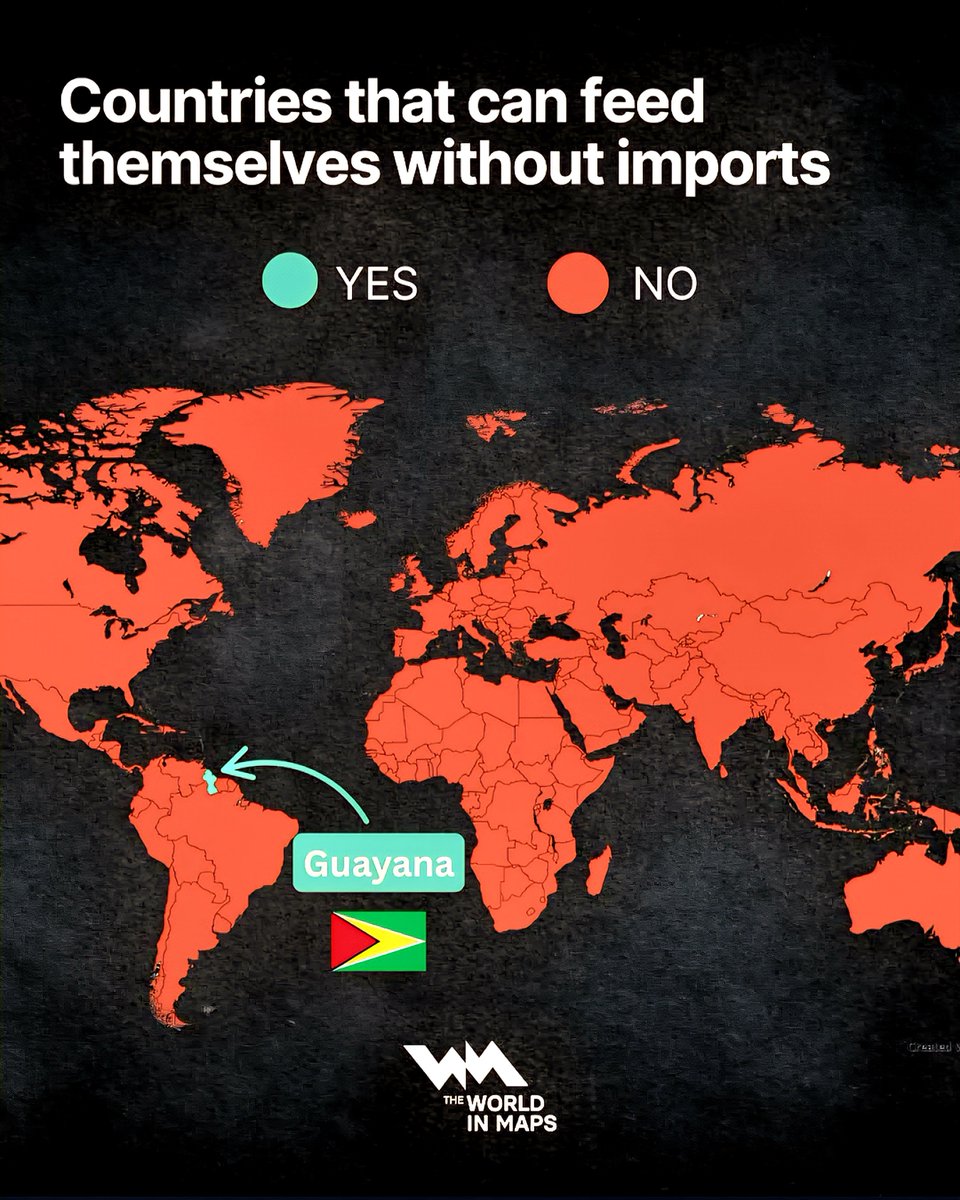
7 Countries That Can Sustain Themselves Without Food Imports in 2025
In an era where food security remains a global concern, a recent 2025 study by Nature Food shines a spotlight on countries that have achieved remarkable self-sufficiency, capable of feeding their populations entirely through domestic production. Here are the standout nations, according to the latest research:
1. Guyana: The Sole Self-Sufficient Nation in All Food Groups
Emerging as the global leader in food independence, Guyana is the only country fully self-sufficient across all major food sectors. Spanning fruits, vegetables, legumes, starchy staples, meat, fish, and dairy, Guyana’s agricultural strategy sets a benchmark for others. Its diverse ecosystems and proactive policies have enabled this level of independence, reducing reliance on imports and strengthening national food sovereignty.
2. China and Vietnam: Near-Complete Self-Sufficiency
China and Vietnam closely follow, managing to cover six out of the seven main food groups. Their agricultural sectors have undergone significant modernization, boosting productivity and resilience. While both nations excel in staples like rice and vegetables, they still depend partially on imports for certain meats and dairy products—yet their overall self-sufficiency is impressive and growing.
3. The Seven Food Groups: Key to Food Sovereignty
The research highlights seven critical categories of food that, when produced domestically, constitute genuine food security:
- Fruits
- Vegetables
- Legumes
- Starchy Staples
- Meat
- Fish
- Dairy
Achieving self-sufficiency across all these categories ensures a country’s resilience against global supply chain disruptions. Countries that effectively cultivate and develop these sectors can significantly reduce their vulnerability to nutritional deficits and international market fluctuations.
4. The Role of Diversified Agriculture in Achieving Self-Sufficiency
Diversification stands out as a key factor for nations like Guyana, allowing them to cultivate a broad spectrum of foods to meet various nutritional needs. A well-rounded agricultural policy that emphasizes crop rotation, technological innovation, and sustainable practices paves the way for sustained self-sufficiency.
5. Challenges Faced by Countries Not Yet Fully Self-Sufficient
Many countries still rely heavily on imports for certain food groups, especially dairy and meat, due to factors like climate limitations, lack of agricultural infrastructure, or economic constraints. Overcoming these hurdles requires targeted investments, modernization of farming practices, and policy support aimed at expanding domestic production.
6. The Impact of Self-Sufficiency on National Security and Economy
Achieving food self-sufficiency not only improves nutritional security but also fortifies a country’s economic stability. It reduces vulnerability to global market shocks, stabilizes prices, and promotes local employment. For nations striving toward this goal, fostering robust agricultural sectors is both a strategic and socio-economic priority.
7. Looking Ahead: The Future of Food Sovereignty in 2025 and Beyond
As climate change and geopolitical tensions continue to influence global food dynamics, the countries that have prioritized sustainable agriculture and diversified food production will likely remain resilient. Continued innovation, investment, and policy reforms will be essential in maintaining and expanding self-sufficiency.
In summary, 2025 marks a notable milestone in global food security, with Guyana leading the way as the only fully self-sufficient nation across all key food categories. China and Vietnam’s progress further illustrates how strategic agricultural development can dramatically reduce reliance on imports, paving the way for more resilient societies worldwide. Emphasizing diversification and sustainable practices will be vital for other nations aspiring to achieve similar levels of food independence.
 ChatGPT
 Perplexity
 Gemini AI
 Grok AI