Select Language:
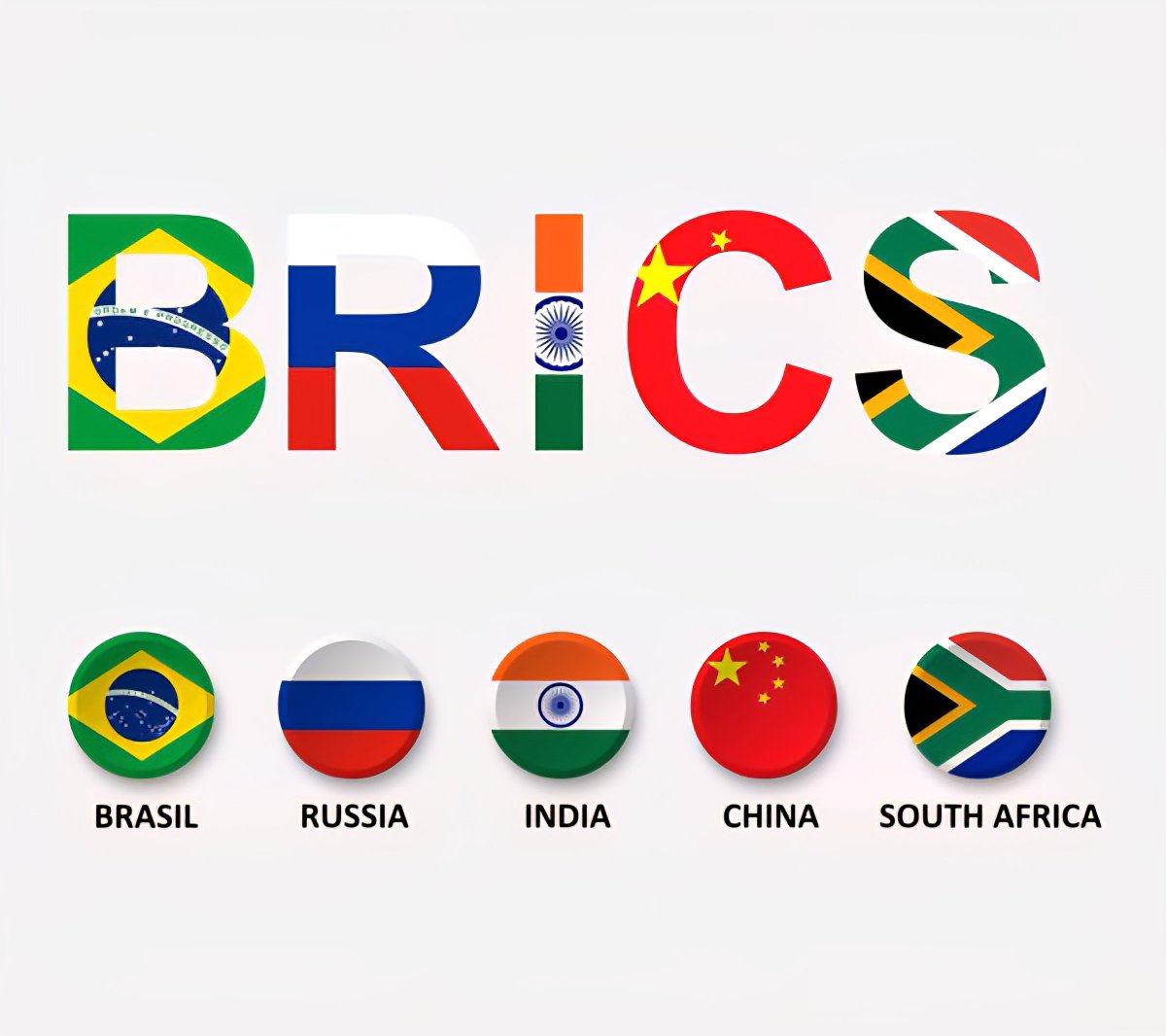
BRICS Nations and Their Economic Power in 2025: An In-Depth Overview
Brazil: The Latin American Powerhouse
Brazil, South America’s largest economy, currently holds a GDP of $2.29 trillion. Despite economic challenges, Brazil remains a significant player within BRICS, leveraging its rich natural resources and diverse sectors to sustain its regional influence. Its agricultural exports, especially soy and beef, continue to bolster its economic standing.
Russia: Navigating Geopolitical and Economic Shifts
With a GDP of $2.51 trillion, Russia’s economy remains influential, primarily driven by energy exports like oil and natural gas. As geopolitical tensions persist, developments in energy markets and sanctions could impact its future trajectory within BRICS and globally.
India: The Growing Economic Giant
India’s economy, valued at $4.51 trillion, continues its rapid expansion, driven by technology, manufacturing, and service sectors. Its large population provides a vast labor force and consumer base, establishing India as a key economic force in the developing world and within BRICS.
China: Dominating BRICS with Unmatched GDP
Topping the list, China boasts a staggering GDP of $20.65 trillion. Its extensive manufacturing industry, technological innovations, and massive domestic market solidify its position as a global economic leader. China’s influence within BRICS remains central, shaping regional and international policies.
South Africa: Africa’s Largest Economy
South Africa’s GDP stands at approximately $452 billion. It serves as a gateway to the continent, with strengths in mining, finance, and tourism. Its economic stability is crucial for regional development initiatives within BRICS.
Egypt: Africa’s Economic Hub
Egypt, with a GDP of $402 billion, continues to diversify its economy through infrastructure projects, tourism, and natural gas exports. Its strategic location supports its expanding role in Africa and within BRICS.
Ethiopia: Rising East African Economy
Ethiopia’s economy is valued at $126 billion, with significant growth in agriculture, manufacturing, and services. Its military and infrastructural investments aim to boost economic stability and regional influence.
Iran: The Middle Eastern Energy Power
Iran’s GDP, estimated at $358 billion, is deeply tied to oil exports. Ongoing political sanctions and regional dynamics pose challenges but also opportunities for its economic development within the broader BRICS framework.
United Arab Emirates: Middle Eastern Finance and Trade
UAE’s GDP reaches about $603 billion, bolstered by finance, trade, tourism, and real estate. Its strategic investments aim to position the nation as a global financial hub.
Indonesia: Southeast Asia’s Largest Economy
Indonesia’s GDP stands at approximately $1.55 trillion. Its expanding markets, natural resources, and burgeoning digital economy place it at the forefront of regional development within BRICS.
BRICS Expansion and Future Memberships
Countries Officially Invited but Not Yet Members
- Saudi Arabia: With a GDP of $1.32 trillion, Saudi Arabia’s official invitation highlights its strategic importance due to energy resources and regional influence, though it hasn’t yet joined fully.
BRICS+ Partners: Strategic Alliances
A diverse array of nations, including Nigeria ($296 billion), Malaysia ($472 billion), and Vietnam ($492 billion), serve as strategic partners. These countries enjoy close cooperation on economic and security issues, enriching BRICS’ global reach.
Countries Applying for BRICS Membership
Several nations, such as Pakistan ($413 billion), Bangladesh ($478 billion), and Colombia ($439 billion), have formally applied for membership. Economic strength and regional influence are central to their ambitions, signaling potential growth in BRICS’ global footprint.
Interested Nations in Joining BRICS
Countries like Angola ($115 billion) and Peru ($321 billion) have expressed interest, signaling the bloc’s appeal as a cooperative platform for emerging economies seeking developmental partnerships and political influence.
The Geopolitical and Economic Significance of BRICS Expansion in 2025
As global power dynamics shift, BRICS continues to evolve, integrating new members and strategic partners to challenge traditional Western dominance. The bloc’s diverse economic landscape, from resource-rich nations to emerging markets, positions it as a key player in shaping future international relations and trade policies.
Coverage based on IMF Nominal GDP Estimates, 2026.
 ChatGPT
 Perplexity
 Gemini AI
 Grok AI