Select Language:
2025’s Top 50 Assets by Market Value: A Deep Dive into Global Wealth
1. Real Estate Dominates the Global Wealth Scene
Topping the list with a staggering $674.91 trillion, real estate remains the heavyweight champion, reflecting an overall increase in property values worldwide. From residential units to commercial developments, property investments continue to attract both individual and institutional investors, underscoring the enduring appeal of tangible assets in uncertain economic climates. The ongoing urbanization trend and low-interest rates have boosted property markets globally, driving the sector’s immense valuation.
2. Oil & Energy Resources Still Hold Major Financial Power
Crude oil, valued at $180.87 trillion, continues to be a cornerstone of the global economy. Despite the push for green energy, oil remains crucial for transportation, manufacturing, and energy production. Interestingly, natural gas also features prominently, valued at nearly $10 trillion, reflecting the world’s reliance on cleaner fossil fuels during the ongoing energy transition.
3. The Rise of Digital and Tech Giants as Market Behemoths
Financial valuations of major tech companies show the growing sway of the digital economy. Notably, NVIDIA’s market cap now stands at $4.07 trillion, positioning it among the top-ranked assets. Other tech giants like Apple ($3.66 trillion), Microsoft ($2.65 trillion), and Amazon ($2.14 trillion) continue to demonstrate their economic dominance. These numbers are a testament to how integral technology has become to daily life and business operations worldwide.
4. Currencies and Precious Metals: Traditional Assets Still Valuable
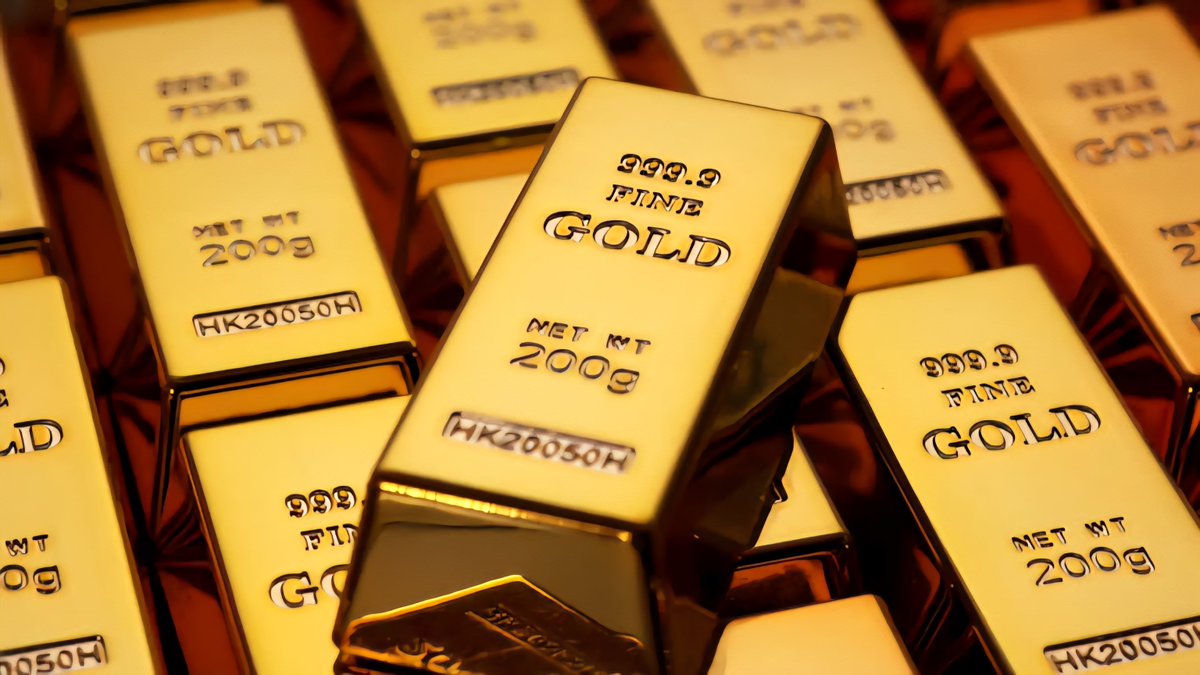
While digital assets transform the landscape, traditional currencies like the US dollar ($22.67 trillion) and euro ($18.70 trillion) remain fundamental economic pillars. Gold’s valuation, at approximately $30.38 trillion, underscores its status as a global safe haven. Silver and platinum also feature as key commodities, valued at around $3.92 trillion and $600 billion respectively, reflecting their industrial and investment significance.
5. Geopolitical Powerhouses and Key Nations’ Currencies
China’s Yuan leads among national currencies with an estimated market cap of $50.24 trillion. The Japanese Yen and British Pound also feature prominently, reflecting strong economies and robust financial systems. Notably, the Russian Ruble’s valuation at $1.61 trillion reveals the ongoing geopolitical shifts influencing asset prices.
6. Major Corporations and Industry Sectors
Beyond tech, significant corporate players such as Saudi Aramco ($1.74 trillion), TSMC ($1.69 trillion), and Samsung ($796.71 billion) highlight the importance of energy, manufacturing, and semiconductor sectors. These companies’ valuations demonstrate their strategic roles in manufacturing supply chains and energy markets.
7. Regional Currency Markets and Emerging Economies
Emerging markets like Mexico’s Peso ($907.57 billion) and India’s Rupee ($795.40 billion) showcase the dynamic shifts in global economic power. Latin American and Asian markets continue to grow, reflecting opportunities for investment beyond traditional economic centers.
8. Financial Institutions and Investment Funds
JPMorgan Chase ($762.83 billion), Berkshire Hathaway ($1.01 trillion), and Visa ($569.77 billion) dominate the financial and payment sectors. These entities are pivotal to global transactions, funding economic growth, and facilitating international commerce.
9. Cryptocurrency’s Surprising Role in Asset Valuations
Bitcoin, at $1.33 trillion, maintains its position as the leading digital asset. Its valuation underscores the maturation of cryptocurrency markets and their increasing influence on global asset diversification strategies.
10. Notable Large-Scale Assets and Sectoral Highlights
- Walmart, valued at nearly $979.73 billion, underscores the retail sector’s resilience.
- Tesla’s market cap, at $1.36 trillion, exemplifies the rise of electric vehicles and sustainability-focused industries.
- Health and Pharma Industry, led by Johnson & Johnson at $579.46 billion and Eli Lilly at $786.04 billion, reflect the critical importance of healthcare innovation.
The asset landscape of 2025 illustrates a diverse and evolving global economy. Real estate remains king, energy reserves underpin the vast wealth pool, while technological advancements amplify the influence of digital giants. Traditional assets like currencies and precious metals still provide stability, yet the increasing valuation of cryptocurrencies signals a shifting frontier. Investing in a mixture of these assets offers a strategic pathway amid a complex and dynamic economic environment.
Source: AssetMarketCap
 ChatGPT
 Perplexity
 Gemini AI
 Grok AI