Select Language:
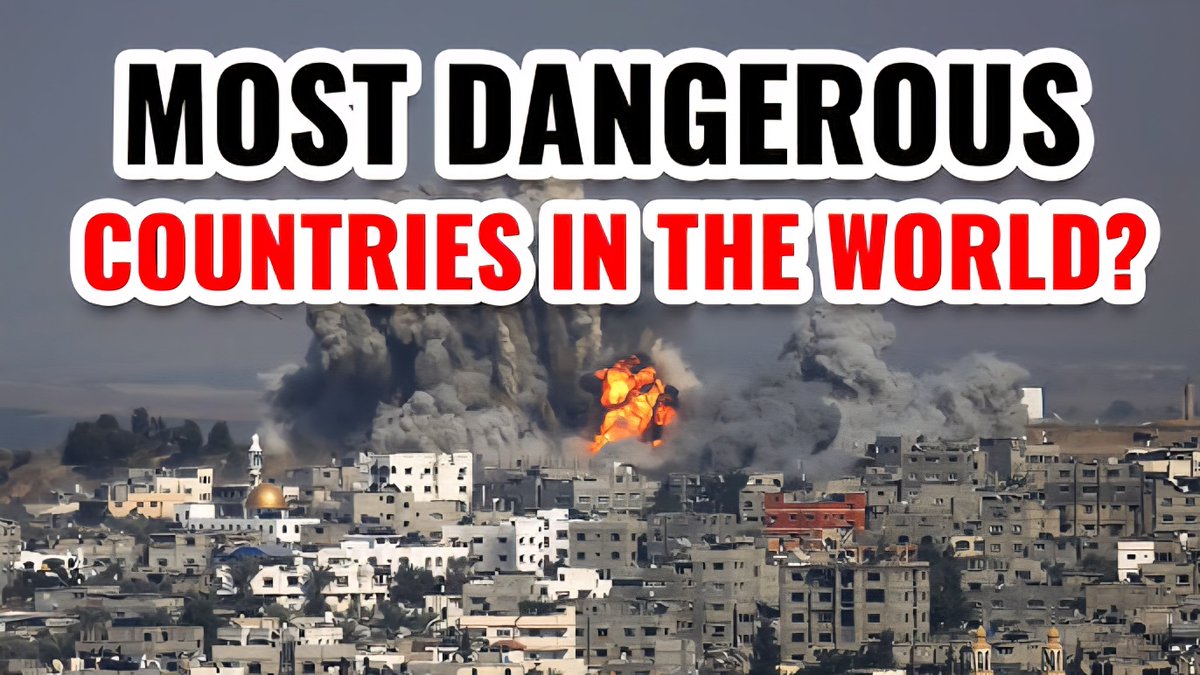
Top 40 Most Dangerous Countries in 2026
1. Papua New Guinea
Known for its rugged terrain and limited law enforcement, Papua New Guinea continues to rank as one of the world’s most unpredictable and hazardous places. Crime rates, including violent assaults and robberies, remain high, especially in urban centers and remote regions, making travel or living there a significant risk.
2. Venezuela
Economic crises, political instability, and high crime levels place Venezuela among the top dangerous countries. Mugging, carjackings, and kidnappings are frequent, especially in Caracas and other major cities, causing serious concerns for residents and visitors alike.
3. Haiti
Long-standing political unrest and widespread poverty contribute to persistent violence. Gangs control many territories, with frequent clashes, robberies, and threats to safety, dominated by a poor security infrastructure.
4. Afghanistan
Despite some stability in specific regions, Afghanistan remains marred by ongoing conflict, terrorism, and insurgent activity. Attacks on civilians and foreign nationals are common, making it one of the most perilous countries to visit or stay in.
5. South Africa
While offering cultural riches and stunning landscapes, South Africa faces a high crime rate, with vehicle theft, muggings, and violent attacks widespread — especially in major cities like Johannesburg and Cape Town.
6. Honduras
High levels of gang violence, drug trafficking, and general lawlessness define Honduras’ security profile. Travelers are cautioned against venturing into certain districts due to the risk of physical assault and robbery.
7. Trinidad and Tobago
Though known for its vibrant culture, some areas suffer from gang-related violence, gunfire, and robberies, particularly in certain neighborhoods, leading to an unsafe environment for residents and tourists.
8. Syria
Ongoing conflict, terrorism, and instability make Syria one of the most dangerous places globally. Active hostilities, kidnapping, and threats to personal safety persist across much of the country.
9. Jamaica
While enjoying worldwide tourism fame, parts of Jamaica, especially Kingston and Montego Bay, are plagued with gun violence, robberies, and drug-related crimes that threaten visitor safety.
10. Guyana
The combination of organized crime, corruption, and limited law enforcement results in elevated risks of violence, theft, and harassment throughout the country.
Crime Index Factors Breakdown
-
Overall Crime Perception: Many countries listed have a high general crime perception, often linked to economic instability and organized crime.
-
Walking Safety: In numerous regions, walking alone, especially at night, is highly discouraged due to risks of mugging, physical assault, and harassment.
-
Robbery & Mugging: Enhanced vigilance is necessary in urban areas where quick thefts or targeted muggings are common.
-
Car Theft & Property Crime: Suburban and rural areas are not immune, with car thefts and burglaries widely reported.
-
Physical & Violence Risks: Threats extend beyond petty crimes to include violent attacks and sabotage, often contextualized by political strife or criminal cartels.
-
Harassment & Drug Issues: Many nations face social challenges, with harassment and substance abuse contributing to safety concerns.
-
Corruption & Bribery: A pervasive issue in many regions, influencing law enforcement efficacy and public trust.
Summary
As 2026 unfolds, global safety landscapes continue evolving, and travelers must stay informed about local risks. Countries like Papua New Guinea, Venezuela, and Haiti emerge as the most dangerous, requiring heightened caution. Meanwhile, ongoing conflicts in Syria and Afghanistan create environments where safety can fluctuate dramatically by region and circumstance.
Being aware of crime factors—ranging from personal safety to property security—remains crucial for anyone navigating these risky environments. Upcoming years may see interventions and policy changes that alter these rankings, but current data underscores significant danger levels in multiple parts of the world.
Stay informed, exercise caution, and prioritize safety wherever your journey takes you.
 ChatGPT
 Perplexity
 Gemini AI
 Grok AI