Select Language:
Top 25 Cities with the Lowest Quality of Life in 2026
Lagos, Nigeria
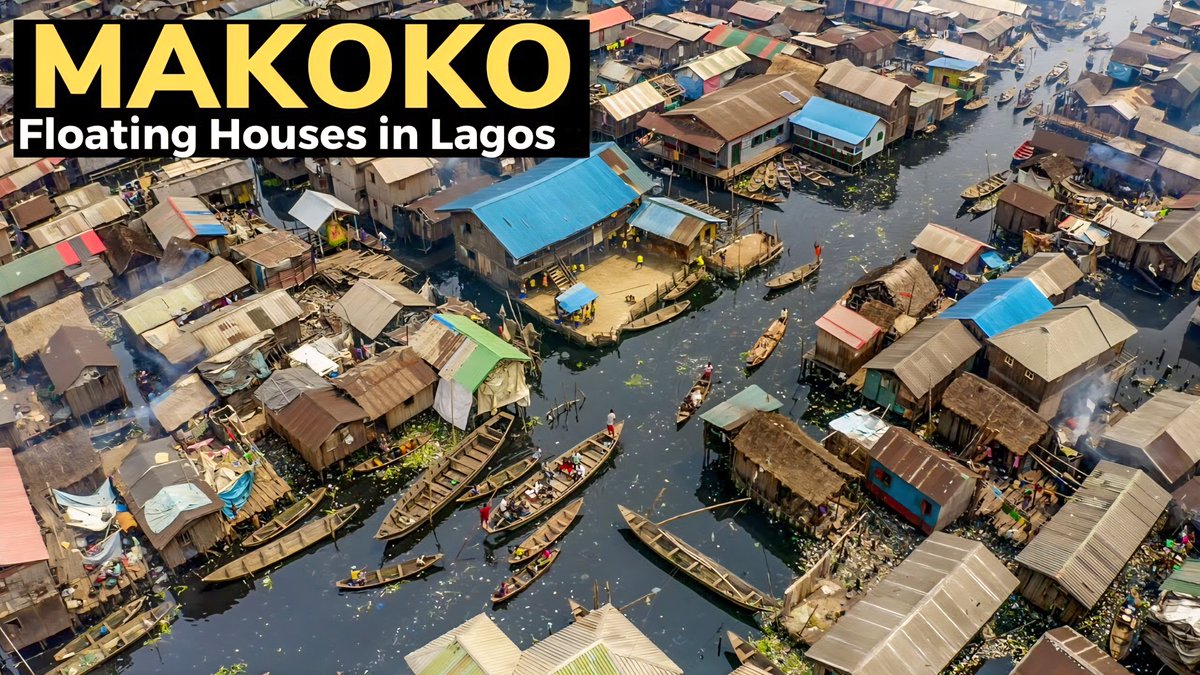
Lagos continues to top the list as the city with the lowest quality of life in 2026. Despite its status as a major economic hub, challenges such as unreliable infrastructure, high crime rates, and inadequate healthcare facilities significantly impact daily living. Traffic congestion and power outages further diminish residents’ well-being. Economic disparities mean many residents live in informal settlements with limited access to essential services.
Manila, Philippines
The Philippine capital struggles with congestion, pollution, and frequent natural disasters. Healthcare and sanitation services are often overburdened, and public safety remains a concern. Although the city offers vibrant culture and economic opportunities, these are often overshadowed by the logistical and environmental issues that affect residents’ quality of life.
Colombo, Sri Lanka
While Colombo is the commercial hub of Sri Lanka, ongoing political instability and economic downturn have taken a toll on residents. Electricity shortages, healthcare resource limitations, and traffic chaos contribute to the city’s ranking. Access to clean water and reliable transportation remain persistent challenges for many inhabitants.
Dhaka, Bangladesh
Dhaka faces severe infrastructure problems, including overpopulation, pollution, and frequent power outages. The city’s healthcare system struggles under the weight of infectious diseases, and sanitation issues are widespread. Extreme traffic congestion hampers mobility, and economic inequality impacts overall well-being.
Tehran, Iran
Sanctions and economic struggles have heavily impacted Tehran’s infrastructure and healthcare services. Air quality is a persistent concern, often reaching hazardous levels due to pollution. Unemployment and inflation exacerbate the hardships faced by residents, impacting their overall safety and health.
Cebu, Philippines
Despite its growing reputation as a tourist destination, Cebu faces environmental degradation and infrastructure challenges. Flooding during monsoon seasons and ongoing traffic issues persist, making daily life difficult. Access to quality healthcare and education varies across different parts of the city.
Kathmandu, Nepal
Mounting urbanization and inadequate infrastructure compromise the quality of life in Kathmandu. Earthquake risk, air pollution, and limited healthcare resources make the city less livable for many residents. Water access remains inconsistent, especially during winter months.
Jakarta, Indonesia
Jakarta struggles with severe flooding, traffic congestion, and pollution. The city’s infrastructure is under stress from rapid population growth, and healthcare facilities often lack resources. The threat of natural disasters, such as tsunamis, adds to the vulnerabilities faced by residents.
Ho Chi Minh City, Vietnam
Rapid urban growth has brought economic prosperity but also increased pollution and traffic problems. Healthcare and sanitation services are strained, notably in less developed districts. Flooding during the rainy season disrupts daily routines and affects health conditions.
Cairo, Egypt
Overpopulation, pollution, and inadequate sanitation systems weigh heavily on Cairo’s residents. Traffic jams and electricity shortages are common, and public safety issues persist. Access to quality healthcare is uneven, especially outside central districts.
Caracas, Venezuela
Economic crises and political instability severely impact Caracas, leading to shortages of basic goods and healthcare supplies. Crime rates remain high, and infrastructure degradation hampers daily life. Power and water outages are frequent, contributing to a declining quality of life.
Karachi, Pakistan
Karachi faces ongoing challenges with security, infrastructure, and pollution. Power outages and water shortages affect millions, while healthcare accessibility varies widely. The city’s burgeoning population strains public services and transportation systems.
Rio de Janeiro, Brazil
Social inequality, crime, and environmental issues plague Rio, affecting its livability. The city’s favelas face extreme poverty, and safety concerns are common. Air quality and sanitation issues further reduce residents’ overall well-being.
Mumbai, India
Mumbai is densely populated and confronts challenges such as overcrowding, pollution, and inadequate sanitation. Healthcare facilities are often overwhelmed, and informal settlements lack essential services. Traffic and infrastructure issues hinder daily mobility.
Beirut, Lebanon
Economic instability, political unrest, and infrastructure deterioration have made Beirut less livable. Power outages, water shortages, and a struggling healthcare system challenge residents. The city also grapples with the aftereffects of recent crises, impacting mental and physical health.
Alexandria, Egypt
Similar to Cairo, Alexandria faces pollution, traffic congestion, and infrastructure shortages. Healthcare access is inconsistent across neighborhoods, and economic hardship has increased unemployment and poverty levels.
Lima, Peru
Lima’s air pollution and traffic congestion are persistent issues. Income disparity affects access to quality healthcare and education. Waste management and water sanitation are additional concerns impacting overall health.
Santo Domingo, Dominican Republic
Santo Domingo’s infrastructure struggles with traffic jams, crime, and sanitation problems. Healthcare services are unevenly distributed, and economic challenges mean that many residents live with limited access to essential services.
Delhi, India
Delhi faces severe air pollution, making it one of the most hazardous cities to breathe in 2026. Overcrowding, poor sanitation, and inadequate healthcare facilities contribute to a declining quality of life for many residents.
Hanoi, Vietnam
Rapid urban development has led to increased pollution and traffic issues. Access to clean water and sanitation varies, and healthcare services are often overwhelmed during health crises. Construction and infrastructure projects are ongoing but lag behind needs.
Recife, Brazil
Recife’s poverty levels and infrastructural deficiencies hinder convenience and safety. Traffic congestion and inadequate waste disposal systems impact health and safety standards across the city.
Mexico City, Mexico
Air pollution remains a major obstacle, with many residents experiencing respiratory issues. Water scarcity, traffic jams, and uneven healthcare distribution challenge daily routines and overall well-being.
Bangkok, Thailand
Bangkok confronts persistent flooding, air pollution, and traffic congestion. Healthcare resources, especially outside the main districts, are stretched thin, often impacting the quality of patient care and safety.
Casablanca, Morocco
Economic disparities and infrastructural shortcomings influence Casablanca’s livability. Water supply and sanitation issues persist, and traffic congestion hampers mobility for residents.
Nairobi, Kenya
Nairobi faces high crime rates, inadequate infrastructure, and health services that do not meet the growing population’s needs. Poverty and unemployment further diminish overall quality of life in this East African hub.
The above list highlights the ongoing struggles faced by some of the world’s most densely populated and economically challenged cities in 2026. Issues such as infrastructure deficits, environmental concerns, safety risks, and healthcare limitations continue to define the hardships experienced by their residents. Improving quality of life remains a vital goal for policymakers, urban planners, and international organizations dedicated to fostering sustainable development.
 ChatGPT
 Perplexity
 Gemini AI
 Grok AI